
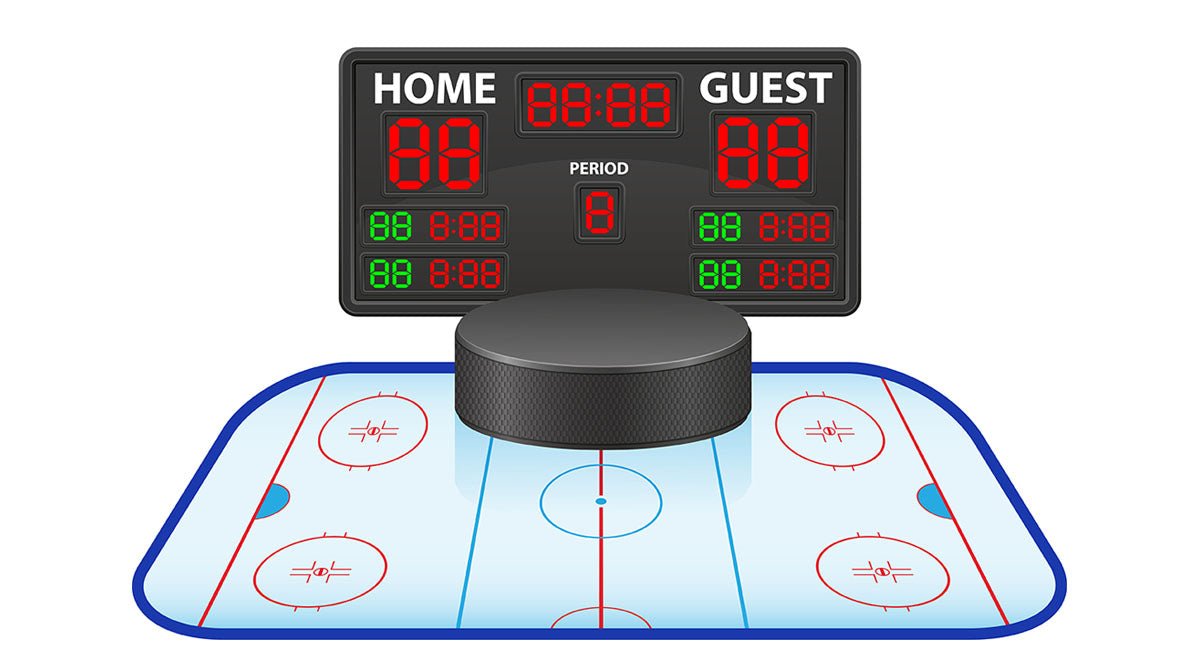
The standard length of a hockey game is 60 minutes, divided into three 20-minute periods.
Ever wondered how long you’re actually watching players on the ice during a hockey match? It’s a common question, and knowing how many minutes a hockey game takes is helpful for planning your viewing time. You might be a new fan or someone just curious about the game’s structure.
We often see all the action, the fast-paced skating and dramatic goals, but do you know the exact time frame for these thrilling moments? Understanding the clock is key to appreciating hockey’s flow. Let’s dive right in and see exactly how many minutes a hockey game truly runs.

How Many Minutes in a Hockey Game?
Okay, so you’re curious about how long a hockey game lasts? That’s a great question! It’s not just one simple answer because there are different rules for different types of games. But don’t worry, we’re going to break it all down so you become a hockey time expert! We’ll talk about the regular time, the breaks, and even what happens if the game goes into overtime. Let’s get started!
The Basics: Standard Game Length
When most people talk about a hockey game, they’re usually thinking about a professional game, like those played in the NHL (National Hockey League). A standard NHL game is divided into three periods. Each period lasts for 20 minutes of actual playing time. That means that the clock stops anytime the puck isn’t moving or there’s a whistle. This is important because the game clock often goes much longer than just 60 minutes total on the clock. Let’s think about it like this:
- Period 1: 20 minutes of playing time
- Period 2: 20 minutes of playing time
- Period 3: 20 minutes of playing time
So, if you add those up, that gives you a total of 60 minutes of playing time in a regulation game. This means, without any extra time, a hockey game has sixty minutes of on-ice action. This standard is very similar for other professional hockey leagues around the world, as they generally stick to this three-period format. However, there can be slight differences at the amateur level, which we’ll get into later.
Intermission Breaks: Time to Recharge
Between each of those periods, there’s a break called an intermission. Intermissions are there to allow the players to rest and talk strategy, and it also helps to get the ice ready for the next period. They are also a great time for fans to visit the restroom, get some snacks, and talk about the game. Intermissions are also important because players need a break from the intense action. Imagine trying to skate as hard as you can for 20 minutes straight! So, here’s how the intermissions work:
- Intermission after Period 1: Typically 15-18 minutes long.
- Intermission after Period 2: Typically 15-18 minutes long.
These breaks add extra time to the total game length. While the actual playing time is 60 minutes, the game, from start to finish usually takes much longer, due to these intermissions. So, you’re not just sitting for an hour, you will be at the game much longer!
The Stopwatch is Always Running: What Happens When the Clock Stops?
As we’ve talked about, the game clock stops during play. So, you may be wondering what makes the clock stop. There are several things that happen in a hockey game that pause the time. These include:
- Whistles: When the referee blows their whistle, play stops and the clock stops. This happens for things like penalties, icing, offsides, or if the puck goes out of play.
- Goals: The clock stops after a goal, just long enough for the goal to be announced, and for the puck to be retrieved for a face-off.
- Penalties: If a player commits a penalty, the clock stops while the officials assess the situation and get the penalized player to the penalty box.
- Timeouts: Each team gets one timeout during the game, and this also stops the game clock.
Because of all these stoppages, an actual hockey game can take closer to two and a half to three hours from start to finish. The constant stopping and starting means the game time is always in flux, making every moment even more suspenseful.
Overtime: The Extra Time Challenge
Sometimes, a game ends with both teams having the same score. What happens then? Well, we head into overtime! In a regular season NHL game, overtime is a sudden-death period that lasts five minutes of playing time. In sudden-death, the first team to score a goal wins the game. This makes overtime incredibly exciting because everything can end with just one shot. If no one scores in the overtime period, then the game goes to a shootout. But the rules of overtime can change for playoff hockey games.
Playoff Overtime Differences
When the playoffs begin, the intensity of the game increases, and the stakes are much higher. So, the NHL changes the overtime rules for playoff games. In the playoffs, the overtime period is a full 20 minutes of sudden death. Meaning, it’s another full period of hockey! This continues until one team scores a goal. This can make for very long games, sometimes even going late into the night. Because the game does not end until there is a winner, some playoff games have gone into multiple overtime periods, with some games last hours!
It’s exciting and nerve-wracking, all at the same time! These extra periods really test the player’s stamina and determination.
Hockey Game Length in Different Leagues
While we’ve covered the most common professional hockey game lengths, things can change in other leagues or at other levels. Here’s a quick look at some of the differences:
Junior Hockey
In junior hockey leagues, like the CHL (Canadian Hockey League), the games are still played with three 20-minute periods. However, the intermission times might differ slightly from the NHL. Junior hockey is the level before the pros, and they try to match pro hockey in most aspects.
College Hockey
College hockey in the United States, usually played under the rules of the NCAA (National Collegiate Athletic Association), also uses three 20-minute periods. The rules regarding overtime might be different from the NHL, and can vary by conference. Generally, they use sudden-death overtime periods, but with slightly different rules than pro leagues. College hockey is known for its fast and exciting play.
European Leagues
Many European leagues also follow the three 20-minute period format, but some may have different rules regarding overtime or intermissions. However, most international competitions and leagues often follow the same format, so you’ll usually see those three 20-minute periods.
Youth Hockey
When we look at the game lengths of youth hockey, things can change a great deal. The actual length of the periods decreases based on the age group. For example, younger kids (like 6-8 years old) might play games with shorter periods, like 10 or 12 minutes. As they get older (like 10-12 years old), the period lengths will increase, and may be around 15 minutes. Also, the game may not even have intermissions between periods. It is not unusual for younger hockey leagues to have different game formats, rules, and even playing times. Youth hockey is designed to develop skills and promote the love of the game, and therefore, the schedule is usually less strict and demanding than in professional play.
The Impact of Timeouts
Each team gets one timeout during the game, and while it’s not a long break, it can be very important. Timeouts give a team the chance to talk about their strategy, make adjustments, and give the players a brief moment to catch their breath. Timeouts can often shift the momentum of a game, making them a vital part of any coach’s strategy. Here’s how a timeout affects the overall game length:
- Time taken: A typical timeout is one minute long.
- Strategy: Coaches use this short time to make adjustments to their game plan.
- Momentum: A well-timed timeout can help a team regain momentum, stop the other team’s run, or get the players focused.
The Role of the Referees
The referees have an important job in keeping time during the game. They are the ones who keep track of the time, and also manage the clock. Whenever there is a whistle or goal, the referees ensure that the clock is stopped correctly. They also need to make sure that the game starts on time after the intermission break, and they also keep track of the time for player penalties. Referees have to be precise to make sure the game is fair for both teams.
- Clock management: The referees are responsible for starting and stopping the clock.
- Penalty timing: They also keep track of player penalties and make sure they spend the correct amount of time in the penalty box.
- Fair play: Referees make sure that the game is fair and that the time is accurate for both teams.
Why It All Matters
Knowing how long a hockey game lasts is important for many reasons. For fans, it helps them plan their day or night. You wouldn’t want to schedule something right in the middle of overtime! For players, understanding the game’s structure helps them to pace themselves, conserve energy and make effective plays. Coaches plan their strategies around these time constraints, and understanding the standard period times, plus any possibility of overtime, is a big part of the game. Every second counts on the ice, and that is what makes hockey so exciting.
So, that’s a deeper dive into how many minutes are in a hockey game! Now you know about the three periods, the intermissions, what happens during overtime, and how the game length can change. It’s more than just 60 minutes of playing time, it’s an experience. You now have all the knowledge to impress your friends the next time you watch a game!
In summary, a standard hockey game has sixty minutes of actual play, divided into three 20-minute periods, with a few 15-18 minutes intermissions between periods. But, this doesn’t include the stoppages of the play due to goals, whistles, penalties, or timeouts. You can expect a game to last close to two and a half to three hours. Knowing all these details helps you understand the intricacies of the game, and helps you to plan and enjoy the game!
How long is a hockey game?
Final Thoughts
A standard hockey game plays for 60 minutes, divided into three 20-minute periods. This does not include stoppages in play, penalties or intermissions. Understanding this timing is vital for enjoying the sport.
Overtime adds extra minutes if the score is tied after regulation. The extra period duration varies by league. So, how many minutes hockey game actually lasts fluctuates.
Knowing this base duration of 60 minutes helps any hockey viewer. It provides context to the flow of the game, and allows for better enjoyment.

