
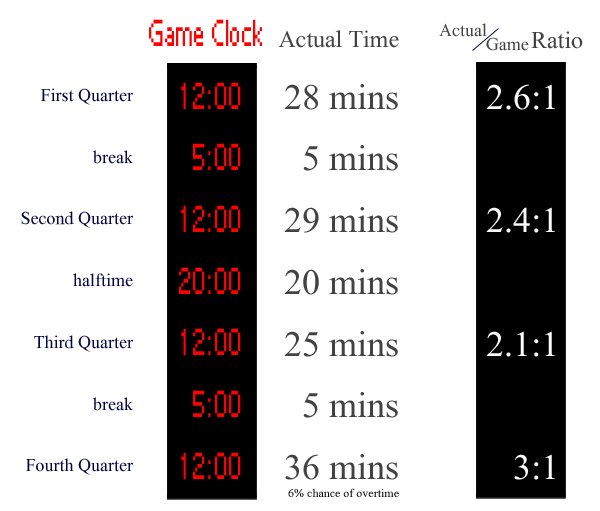
The answer to how many minutes in a basketball game quarter is 12.
Ever found yourself caught up in the fast-paced action of a basketball game, wondering exactly how long each quarter lasts? It’s a common question, especially for new fans. Understanding the game’s timing helps you appreciate the flow of play.
Knowing how many minutes in a basketball game quarter is essential for following the game closely. This information lets you track the progress of each team during the four periods. It also helps to understand the strategies teams use within each segment of the game.

How Many Minutes in a Basketball Game Quarter?
Alright, basketball fans! Let’s dive into the nitty-gritty of game time. You might be wondering, exactly how long is a quarter in basketball? Well, you’ve come to the right place! We’re going to explore all the ins and outs of basketball quarter lengths, from the pros to the kids’ leagues. Get ready to learn everything you need to know about game clocks and the flow of a basketball match.
Standard Quarter Lengths: The NBA and Beyond
The most common quarter length you’ll hear about is 12 minutes. This is the standard for the National Basketball Association (NBA), the top professional basketball league in the world. Each of the four quarters in an NBA game is exactly 12 minutes long. These are stop time minutes which mean the clock stops whenever the ball is out of play such as when the ball goes out of bounds, a foul is committed, or during time-outs. This stop time aspect can make the actual duration of a quarter feel longer, because it doesn’t keep running continuously.
However, not all leagues use 12-minute quarters. Let’s see the difference with other levels of basketball.
FIBA and International Basketball
When it comes to international basketball, the rules are a bit different. FIBA, the International Basketball Federation, which organizes major international tournaments like the Olympics and the World Cup, uses 10-minute quarters. This means each game consists of four 10-minute periods for a total of 40 minutes playing time, not including stoppages. This different length affects the pace and strategy of the game, and is a key difference between watching an NBA game and an international match.
College Basketball
College basketball takes a completely different approach to game time. Instead of quarters, college games are divided into two 20-minute halves, with a 15-minute halftime interval. Therefore, there are no quarters in college basketball games. Also, college halves are played with stop time, similar to the NBA and FIBA.
High School Basketball
High school basketball games typically use 8-minute quarters. This shorter length of the game helps maintain a faster pace and is better suited for younger players. Like professional leagues, time in high school is stop time, meaning that game clock pauses for dead balls, fouls, and timeouts, so, a game will typically exceed 32 minutes of elapsed time due to the stoppages.
Youth Basketball
The quarter lengths become even shorter when we get to youth basketball. The younger the players, the shorter the quarters become. For children in elementary or middle school, game quarters can range from 5 to 7 minutes long, sometimes as low as 4 minutes, depending on age and league rules. The goal here is to ensure that children do not overexert themselves during the game and they keep enjoying and learning from the game.
Summary of Quarter Lengths Across Different Levels
Let’s put this all together so it’s easy to remember with a quick comparison chart. Here’s a breakdown of quarter lengths across different levels of basketball:
| Level | Quarter Length |
|---|---|
| NBA | 12 minutes |
| FIBA (International) | 10 minutes |
| College | 20-minute halves, no quarters |
| High School | 8 minutes |
| Youth (Varies) | 4-7 minutes |
Why the Different Quarter Lengths?
You might be wondering why there are all these differences in quarter lengths. It actually makes a lot of sense when you think about the reasons behind it. Let’s look at a few main reasons:
- Physical Endurance: Professional athletes, like those in the NBA, are conditioned for much longer periods of intense physical activity, and the 12 minute quarters provide enough time to showcase their skills. In contrast, youth players do not have the same level of fitness and need shorter periods of play.
- Game Pacing: Shorter quarters in youth leagues help keep the game faster and more engaging. It helps the kids stay interested as well as not get too tired. Longer quarters are more suitable for higher levels of basketball because it allows for more strategic gameplay and more time to develop plays.
- Rules and Regulations: FIBA has different rules than the NBA. By making slight changes to time, it provides different experience to viewers.
- Age Groups: Adjusting quarter lengths is very important when it comes to the safety and enjoyment of the game for different age groups. For very young children, the attention span and physical capacity is limited, thus keeping the game short and sweet is important.
The Impact of Timeouts and Stop Time on Game Duration
Now, let’s talk about something that can make the game clock seem to stretch on forever – timeouts and stop time! Yes, we know we touched this previously, but let’s go deeper and understand the overall impact on the game’s actual elapsed time.
Timeouts: Strategic Pauses
In basketball, timeouts are crucial for teams to communicate strategies, rest, and reset. Each team gets a certain number of timeouts per game, and these can significantly add to the total game duration. There are varying numbers of timeouts depending on the basketball league or level. For example, in NBA games, each team gets 7 timeouts, with two 20-second timeouts and 5 full timeouts.
Stop Time: When the Clock Pauses
Another key factor affecting the total time is the way the clock works in basketball. Stop-time means that the game clock pauses whenever the ball goes out of bounds, a foul is called, or a free throw is attempted. This feature ensures that only active gameplay is counted in the quarter length and not the dead ball times.
How Stop Time Affects Actual Game Length
Due to timeouts and stop time, the actual duration of a basketball game is much longer than the simple calculation of quarter lengths. For example, an NBA game with four 12-minute quarters can easily last over two hours or even longer when we add in the halftime break, timeouts, and all the other stoppages. This can be very different when it comes to a high school or youth game.
Here’s an example:
- A 12-minute NBA quarter may take 30 minutes of actual time to complete.
- A High School 8 minute quarter can take 20 minutes to complete.
- A Youth 5 minute quarter can take 12 minutes to complete.
The above is an approximation and based on a normal pace game. All this extra time is important as this is where teams make strategic plays and the pace of the game fluctuates.
Understanding Game Time for Fans
For fans, it’s important to understand how quarter lengths and stop time work. If you’re going to a game, be prepared for it to take more time than just the total minutes of the quarters. Planning a trip around the game needs to account for potential delays and stoppages. Understanding this aspect makes watching a basketball game more enjoyable as you know what to expect.
Strategies That Teams Use Based on Quarter Length
While the actual playing length of a quarter may seem insignificant, the difference of a couple of minutes can lead to different strategies from coaches and players, as the length of the quarter can influence the type of gameplay you see.
Impact of Quarter Length on Pacing and Strategy
When we compare NBA with FIBA, we can clearly see that differences in quarter lengths make a difference. In the NBA, because the quarters are longer, there’s a tendency to see more methodical approaches to offense, often involving half-court sets and more complex plays, whereas FIBA which has shorter quarters has seen teams playing with higher tempo style offenses because of the shorter clock, the focus is more on attacking quickly and creating scoring chances.
How Players Manage Their Energy
When it comes to managing player fatigue, different levels of the game have different approaches. In the NBA, player substitutions and their rotations are very important as players need to maintain their peak performance over the course of 12-minute quarters. In comparison, teams playing in a league with shorter quarter lengths, players might exert themselves with a high energy style of play from start to finish. For instance, in a 5-minute quarter youth game, players will usually exert more energy and not worry about saving it, as the quarter is shorter.
In Summary
So, there you have it! While the simple answer to “how many minutes in a basketball game quarter?” varies depending on the level of play, it’s not just about the length of each period. The time-outs, stop-time, and league rules also contribute to the overall game duration and strategy. Whether you are a fan, a player, or a coach, understanding how long a quarter in basketball is across different levels of game will make you more familiar with the game.
How Long Is An NBA Quarter? – The Basketball Xpert
Final Thoughts
In conclusion, understanding the game’s structure is vital for any basketball fan. A standard basketball game features four quarters of play. Each of these quarters has a specific time length.
Specifically, how many minutes in a basketball game quarter? The answer is that each quarter is 12 minutes long in professional basketball, such as in the NBA. This helps to make up the total play time of the game.

