
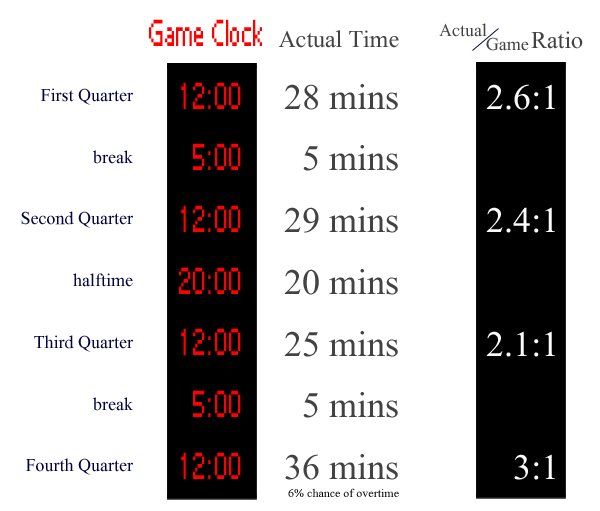
The standard length of a basketball game is 48 minutes, divided into four 12-minute quarters.
Ever wondered about the pace and duration of a basketball match? Many first-timers or even casual fans ask, “how many minutes in a basketball game?” It’s a good question since the constant movement can make the time fly.
Understanding the game’s clock helps appreciate its strategic flow. Each quarter counts and that time creates thrilling moments.

How Many Minutes in a Basketball Game?
Okay, let’s talk about basketball! You love watching those amazing plays, the slam dunks, the fast breaks, and the buzzer-beaters, right? But have you ever stopped to think, “How long is a basketball game, anyway?” It’s not like baseball, where it can feel like the game goes on forever. Basketball has a set time, but it can change a little depending on where you’re playing. Let’s dive into all the details of game length in basketball.
Standard Game Length: The Basics
The most common length you’ll see in basketball is 48 minutes. This is the standard for professional games like the NBA (National Basketball Association). But that 48 minutes isn’t played all at once. It is broken up into four quarters, each lasting 12 minutes. So, if you are watching an NBA game, get ready for four quarters of action-packed gameplay, where players are constantly running, jumping, and trying to score.
Quarters and Their Importance
Dividing the game into quarters is super important. It allows for breaks in the action. These breaks let players rest, coaches make strategies, and for fans to grab more snacks. Think of it like taking breaks in your school day! Without the breaks, the game would be super tiring for everyone. These quarters each contribute to the final score, and it’s amazing to see how the game can change from one quarter to the next. Understanding that the game is split into quarters helps you follow the flow of the game.
- NBA & WNBA: 4 Quarters, 12 minutes each
- Total Game Time (without breaks): 48 minutes
College Basketball Game Duration
College basketball games follow a slightly different format than the professional NBA. Instead of quarters, they are divided into two halves. Each half is 20 minutes long, adding up to a total of 40 minutes of game play. While it’s shorter than NBA games, college games are still super exciting and fast-paced.
Halves, Timeouts and Overtime
The format of two halves changes the feel of the game, creating different strategic elements. College coaches and players must adapt their strategies to the longer periods of play. In both college and professional basketball, time outs play a critical role. Coaches use timeouts to make tactical adjustments, plan set plays, or to let their players catch their breath, and those brief pauses in the action can shift the game’s momentum. And like many sports, if the game is tied at the end of the regular time, overtime is needed. In this extra period, additional time is added to determine a final score.
- NCAA (Men’s & Women’s): 2 Halves, 20 minutes each
- Total Game Time (without breaks): 40 minutes
High School Basketball Game Length
High school basketball is another level where game length changes slightly. High school basketball games also use quarters, just like the NBA. However, each of the four quarters in a high school game is only 8 minutes long. This results in a total playing time of 32 minutes. The shorter game duration is suitable for younger players who might not be able to maintain a high energy level for the full 48 minutes of an NBA game or 40 minutes of a college match.
Shorter Quarters, Quick Pace
The shorter duration means players must make the most of their time on the court. High school games can be fast and full of action. Coaches focus on developing players’ fundamentals, teamwork, and stamina. These games are an excellent place for young athletes to hone their basketball skills.
- High School: 4 Quarters, 8 minutes each
- Total Game Time (without breaks): 32 minutes
Other Basketball Leagues and Variations
While the NBA, NCAA, and high school games are very popular and you will probably see them, there are more variations you may find. International games, like those played in FIBA (International Basketball Federation) competitions, have 4 quarters, each lasting 10 minutes. There are also many other variations in different leagues and organizations around the world, showing how diverse basketball really is.
How Timeouts and Breaks Affect Overall Time
While we’ve been talking about playing time, the actual time it takes to watch a game is always longer. Timeouts, halftime breaks, and even pauses because of fouls can stop the game clock. This is true at all levels of play, be it NBA, college, high school or others. These stoppages can cause the game to take much longer than the initial time of playing. For example, an NBA game might have 48 minutes of play, but with all the breaks it can last for two or more hours. Understanding this helps with planning the time when you will watch a game or if you are playing in a game.
- FIBA (International): 4 Quarters, 10 minutes each
- Total Game Time (without breaks): 40 minutes
Understanding Clock Rules
The clock in basketball isn’t just a timer counting down the game; it interacts with the game in several important ways. For example, the clock stops when a foul is called, during timeouts, and when the ball goes out of bounds. If there is a jump ball or a player is injured, the clock is also stopped. These clock rules make the game more strategic and exciting.
Running Clock vs. Stopped Clock
A “running clock” means the clock keeps going even if play stops for a moment, usually in instances of lower levels of competitions when teams are very ahead. A “stopped clock” means the clock stops every time the game stops. Different games use different rules for the clock, depending on the league or the level of play. The rule of stopped clocks in professional and major level games helps to ensure a fair and engaging game. For instance, the clock stops for each timeout, giving coaches an opportunity to make strategic changes.
The Impact of Game Length
The different game lengths can impact player performance, strategy, and the overall way the game is played. In the NBA, with its longer game length, conditioning becomes key. Players must maintain their energy and focus for the full 48 minutes. However, high school games, being shorter, focus on player development and skill building. Game length impacts the strategies coaches use and how the players perform on the court, therefore affecting a game’s flow.
Strategies Differing With Game Length
Coaches strategize differently depending on game lengths. The longer duration of NBA games allows for more complex plays and adjustment opportunities. In comparison, the shorter duration of high school games focuses on simplified strategies and basic basketball fundamentals. Understanding these differences provides you with deeper insights into the game.
Overtime: When Games Go Beyond Regulation Time
Sometimes, games end in a tie. What happens then? That’s when overtime comes in. Overtime is an extra period that gives the teams a chance to break the tie and win the game. The duration of overtime varies. In the NBA, overtime periods are five minutes long, whereas in college basketball they are also five minutes long. High school overtime periods are four minutes. If a game remains tied after one overtime period, another one or multiple more will be played until a winner is decided, making games even more dramatic.
Overtime Strategies
Overtime is super intense. Players often are tired, but need to give their best. Coaches need to make quick and effective decisions, and players have to execute them perfectly. In overtime, every possession and each point matters a lot, creating high intensity and dramatic finishes to games.
Why Different Lengths?
You might be thinking why the different lengths? Well, each length is designed to suit the players and the style of play at that level. For professional games, the longer length tests the players’ stamina and skill, showing off the highest level of basketball. The shorter game lengths for younger players and in college basketball are good for development and focus. Understanding why the times differ allows us to appreciate the different styles of play at different levels.
Skill Level and Physical Demands
The difference in game length also reflects the skill level and physical demands of each level of play. Professional basketball players, being conditioned athletes, can handle the longer duration of the game. For younger players, having a shorter game allows them to manage their energy. This structured approach aids in their learning process and their love for the game. It’s all designed to let everyone enjoy the game.
So, when you watch basketball, remember, “how many minutes in a basketball game” isn’t just one answer. It depends on where the game is being played, but knowing the different time lengths can help you understand the game, the strategy, and the skill of the players. Whether it’s the high-intensity of the NBA or the strategic play of college basketball or the quick-paced game of high school, there’s always something exciting to watch.
How long is a basketball game?
Final Thoughts
Therefore, understanding how many minutes in a basketball game is key. The standard game consists of four 12-minute quarters in professional leagues like the NBA.
High school and college games feature shorter quarters, usually eight or ten minutes. These variations impact the overall game length and pacing.
Knowing how many minutes in a basketball game allows you to better appreciate the game’s flow. The length directly influences strategy and player conditioning.

