
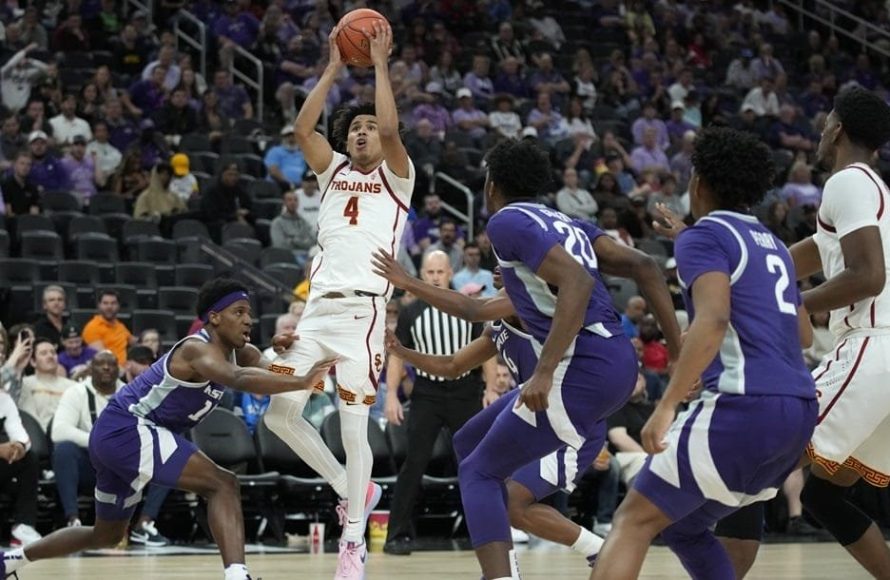
A standard college basketball game consists of 40 minutes of play.
Ever wondered how much time those college athletes spend battling on the court? We often get lost in the excitement of the game, the thrilling dunks, and the nail-biting finishes. But, exactly how many minutes in a college basketball game are there?
It’s a question that pops up for casual watchers and die-hard fans alike. We see the clock ticking down, sometimes excruciatingly slowly, other times flying by in a blur. Knowing the actual game time provides a better appreciation.

How Many Minutes in a College Basketball Game?
Ever wondered just how long those exciting college basketball games last? It’s a question many fans, both new and seasoned, often ask. Unlike other sports, college basketball has a specific and structured game length. It’s not just a free-for-all; there are precise rules and timings in place. Knowing how many minutes are in a college basketball game is key to understanding the flow and strategy of the sport. So, let’s dive in and get the clock ticking!
The Standard Game Length: A 40-Minute Show
The most important thing to remember is that a standard college basketball game is 40 minutes long. But wait, there’s more! It isn’t just a simple 40-minute run-through. This 40-minute period is divided into two halves, each lasting 20 minutes. Think of it like two mini-games combined to make one full game. This division allows for a break in the middle for teams to regroup, strategize, and catch their breath. Understanding the 20-minute halves and the total 40-minute game length is the cornerstone for understanding college basketball timing.
Understanding the Clock: More Than Just 40 Minutes
While a college basketball game is officially 40 minutes long, it rarely takes just that amount of time to play. The game clock doesn’t run continuously. In fact, the clock frequently stops for various reasons. Here’s a closer look at the moments that make game times longer than just 40 minutes:
- Timeouts: Each team gets a set number of timeouts to discuss strategy or simply give players a breather. These timeouts pause the clock. The number of timeouts allowed can vary, but they always add to the total time a game takes.
- Fouls: When a player commits a foul, the clock stops. Whether it’s a personal foul or a technical foul, each whistle results in a clock stoppage. The time added depends on whether the fouled player is going to the free throw line.
- Free Throws: Free throws are part of basketball when a player is fouled. These attempts at a basket from the free throw line result in a stop of the game clock.
- Out-of-Bounds: When the ball goes out of bounds, the game clock stops until the ball is put back in play.
- Injuries: If a player gets injured, the clock is stopped so medical staff can attend to the player.
- End of Quarter/Half Breaks: There is a break in between quarters and halves, adding to the total time taken to play the game.
All of these events make an official 40-minute game quite a bit longer in real time. It’s not uncommon for a college basketball game to last around two hours, sometimes even more!
Breaking Down the Halves: The Two-Part Game
As mentioned, the 40-minute game is split into two 20-minute halves. Each half has its own distinct character. The first half is typically a feeling-out process, with teams trying to find their rhythm and identify their opponent’s strengths and weaknesses. The second half is where the intensity ramps up. With less time on the clock, teams are more desperate for points and defensive stops. Coaches often make adjustments at halftime, making the second half feel different from the first.
Halftime Break: A Brief Respite
After the first 20-minute half, there’s a halftime break. This break is usually about 15 minutes long, though it can vary slightly. This is when the teams retreat to their locker rooms. Coaches will give their team feedback, talk strategy, and make game plan changes. It is a crucial period for the teams to regroup and get ready for the second half. It provides the players with a chance to take a break from the action, and for the team to re-strategize.
Variations in Game Length: Beyond the Standard 40 Minutes
While 40 minutes is the standard length for college basketball games, there are situations where the game can go on for longer. These extensions create extra excitement and suspense.
Overtime: When the Game Isn’t Enough
When a game is tied after the final buzzer of regulation, it goes into overtime. In college basketball, overtime periods are five minutes long. The game continues with as many overtimes as it takes to break the tie. In overtime, the clock stops just like in regulation, for fouls, timeouts, and other stoppages. A game with multiple overtime periods can become very long, and it is physically challenging for the players. Usually teams can win a game in the overtime if there is a tie in 40 minutes, and sometimes the overtime could be multiple overtime.
How Many Overtime Periods?
There is no limit to the number of overtime periods in a college basketball game. They continue until one team comes out ahead. This rule can result in extremely long games, and they are some of the most memorable games.
The Role of the Shot Clock: A Time Factor
Another important clock in college basketball is the shot clock. The shot clock is not included in the 40-minute game clock, but it does influence the pace and duration of the game. In college basketball, a team has 30 seconds to attempt a shot. If they don’t shoot the ball within 30 seconds, they turn the ball over to the other team. This rule keeps teams from stalling and encourages offensive action. While the shot clock doesn’t add time to the overall game length, it can make games faster and more exciting.
Clock Management: A Crucial Element of Strategy
Understanding how the game clock works is important, but the teams can use the clock to their advantage. This is called clock management, and it is a vital part of basketball strategy. Here are a few of the important clock management aspects:
- Running down the clock: A team leading at the end of the game might try to run down the clock, keeping the ball and preventing the other team from scoring.
- Using the shot clock to advantage: Teams will use the shot clock to find a good shot or hold the ball and make the opponent commit fouls when they are in penalty.
- Controlling the tempo: Teams try to control the pace of the game. Some teams like to play fast, while other teams prefer a slower tempo, and controlling the game time can be an advantage in their games.
Effective clock management is one of the key components of a winning strategy in college basketball.
Comparing College Basketball to Other Levels and Sports
It’s interesting to compare the length of college basketball games to other sports and levels of basketball. Here’s a quick overview:
NBA vs College Basketball: A Different Clock
The biggest difference in game length is between the NBA and college basketball. NBA games are 48 minutes long (4 quarters of 12 minutes). This contrasts with the 40-minute, two-half format of college basketball. While the difference may seem small, it impacts the game. With an additional 8 minutes, NBA games have a different flow. A basketball game in the NBA also has different rules regarding timeouts, shot clock timing, and fouls, which can affect the game’s overall length and strategy.
Why the Difference?
The difference in game length between the NBA and college basketball exists for a variety of reasons. The NBA, with its focus on attracting a larger audience, typically emphasizes higher scoring and a fast-paced game. The extra eight minutes help to achieve this style. College basketball, on the other hand, tends to have a more strategic and deliberate style, with a strong focus on team play and defense. The shorter game clock aligns with this approach.
High School Basketball: Shorter Games
High school basketball games are generally shorter than college games. High school games typically have 32 minutes of play time, often divided into four 8-minute quarters. This difference is often due to the age and physical conditioning of the athletes, and it means that high school games are typically faster paced. Each level of basketball caters its game length to suit the physical and strategic requirements of the players.
In Conclusion
So, to wrap it all up, a standard college basketball game is 40 minutes long, divided into two 20-minute halves. However, with timeouts, fouls, and other stoppages, the actual game time is generally much longer, often around two hours. If the score is tied at the end of regulation, the game moves into overtime, which can add additional five-minute periods. It is also key to know that the shot clock also has an impact on game tempo. Understanding these timing elements helps you fully appreciate the excitement of college basketball, and it gives you the necessary understanding of how the game works. Whether you are a seasoned fan or just starting, knowing the clock makes the experience even better.
Auburn Tigers vs. LSU Tigers | Full Game Highlights | ESPN College Basketball
Final Thoughts
A standard college basketball game features two 20-minute halves. The clock stops during timeouts, fouls, and other stoppages. This means the actual game time often exceeds 40 minutes.
Therefore, the answer to the question of ‘how many minutes in a college basketball game’ is 40 minutes of playing time. This does not include any overtime periods, which can extend game length.

