
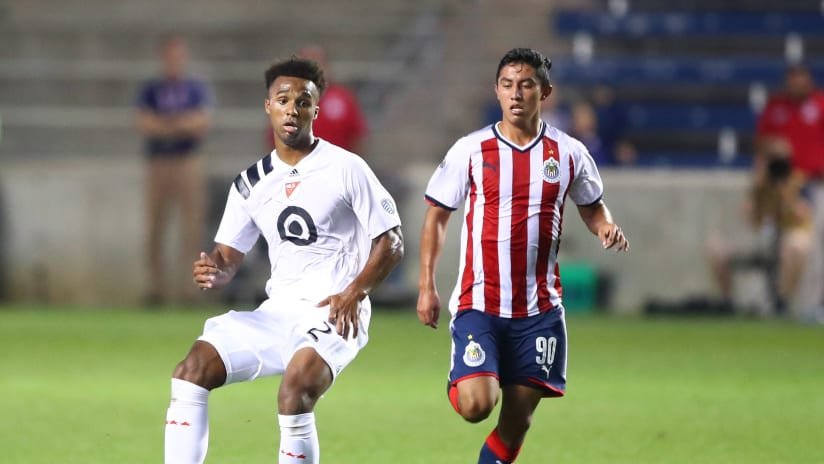
A standard MLS game lasts for 90 minutes, plus any added stoppage time.
Ever wondered how long the excitement of a Major League Soccer match lasts? Understanding the duration can help plan your viewing schedule. Many new fans often ask: how many minutes in mls game?
The game clock ticks down to 90, and then the referee adds on any extra minutes. This extra time accounts for any delays during play, such as injuries or substitutions.

How Many Minutes in an MLS Game?
So, you’re curious about how long a Major League Soccer (MLS) game lasts? That’s a great question! It’s not quite as straightforward as a simple 90 minutes, though that’s the main chunk of the game. Let’s dive into the details and break down all the parts of a match to understand exactly how long you’ll be watching those amazing goals and saves.
The Standard 90 Minutes
The core of every MLS game is 90 minutes long. This time is divided into two halves of 45 minutes each. Think of it like two mini-games put together. There’s a break in the middle, called halftime, where players rest and coaches plan their next moves. But here’s where it gets a little tricky, that 90 minutes is not the whole story. This standard time is what the referee tries to track in the game to make sure the game is on time. It is always the target that every player and referee keep in their mind.
The Half-Time Break
Right in the middle of the action, there’s a rest period called halftime. It usually lasts for 15 minutes. The players use this time to catch their breath, rehydrate, and listen to their coaches. It’s a chance for them to make any needed adjustments to their strategy. For the fans, it’s often time to get snacks, stretch your legs, and maybe grab a bathroom break. This is a very important time for players to prepare for the next 45 minutes.
Added Time: Injury Time or Stoppage Time
Now, this is where the duration of an MLS game can sometimes change. You’ve probably heard the announcer say something like, “There will be two minutes of added time.” This extra time is added to the end of each half to make up for any time lost during the game. The referee decides how much added time is needed based on different things that happened during the half. The main purpose of this is to give time to players that was wasted during the game.
What Causes Added Time?
So, what exactly makes the referee add extra minutes to the clock? Here are a few common reasons:
- Injuries: When a player gets hurt, the game clock stops while they get treatment. That time gets added back later.
- Substitutions: When a player is taken off the field and another comes on, it takes a little time.
- Time-Wasting: Sometimes, a team that’s winning might try to waste time to slow down the game. The referee might add extra minutes to make up for that.
- Goal Celebrations: Though the main portion of goal celebrations is during the play time, when there is a goal it stops the clock for a few seconds, and this lost time is also added to added time
- VAR Checks: When the referee goes to review a play using the Video Assistant Referee (VAR), it takes extra time and this lost time is included in the added time
This added time ensures that all 45 minutes of action in each half is properly completed. It’s like making sure we don’t lose any playing time because of interruptions.
Total Game Time: What to Expect
So, let’s put it all together. A standard MLS game is 90 minutes long, split into two 45-minute halves. There’s a 15-minute halftime break in the middle. Add to this the time added on by the referee at the end of each half, and you have the total game time. This added time can vary, but it’s usually somewhere between 2-5 minutes per half. So, you can usually expect an MLS game to last around 1 hour and 50 minutes to 2 hours total.
A Little Table to Summarize
Here’s a handy table to help you visualize the typical timeline of an MLS match:
| Part of Game | Typical Time |
|---|---|
| First Half | 45 Minutes |
| Halftime Break | 15 Minutes |
| Second Half | 45 Minutes |
| Added Time (Each Half) | Usually 2-5 minutes per half |
Keep in mind, the referee has the last say, and some games might have more added time if there are a lot of injuries or other delays. The time on the clock is the referee’s own clock.
What if the Game is Tied After 90 Minutes?
In regular season MLS games, if the score is tied after the regular 90 minutes plus any added time, the game ends in a draw, also known as a tie. There is no extra time or penalty shootout in the regular season. Each team gets one point for the draw, this can be a useful point in the competition.
However, things are different in the MLS playoffs. If the score is tied at the end of the regular 90 minutes in a playoff game, it goes to extra time. This is how they finally decide a winner
Extra Time in the Playoffs
During the playoffs if both the teams are tie then they play a period called extra time. Extra time consists of two 15-minute periods. There is a short break between the two extra time periods, which usually lasts a couple of minutes.
If the score is still tied after extra time, the game goes into a penalty shootout.
Penalty Shootouts
A penalty shootout is when each team takes turns kicking the ball from the penalty spot against the opposing team’s goalkeeper. This is like a sudden death round where each team takes penalties. The team that scores the most penalties wins the game. Penalty shootouts can be very exciting and dramatic, but they are only used as a last resort in the MLS playoffs to decide a winner if the regular game and extra time has ended without a winner.
Understanding the Game Clock
The game clock in MLS counts up from 0 to 45 minutes in each half. After 45 minutes, the referee stops the clock, and then restarts it after halftime. During play, the referee’s watch records how many minutes have been played. After that referee stops the clock and adds some extra minutes according to what happens in the game.
The Referee’s Role
The referee is the only one who decides when the game starts, stops, and how much extra time is added on. They are the ones who keep track of time during the game and ensure everything goes correctly. They keep their own time using their watch.
How does added time affect game strategy?
The added time has a major impact on how teams play. For a team that is leading, the strategy might be to waste time and control the game, while the team that is behind will be looking for the equalizer as quickly as possible. Understanding added time and how it affects strategy is important for both players and fans.
Teams that are behind in the game usually try to take more risk and play in an aggressive way during the added time. In the same way the leading team will try to hold the ball and waste time. Added time can be a very exciting part of the game and bring a lot of drama in the games.
Why is understanding game length important?
Understanding how long an MLS game takes is helpful for planning your day, for attending games, or watching them on TV. It also helps you better enjoy the game by knowing what to expect and when to anticipate the end.
As a fan, you should be aware of the game’s time so that you can make plans according to it, if you are in the stadium then you might plan accordingly with the game’s time. If you are watching on TV then you can plan when the game will end and you can enjoy the full match.
For the teams and players, they also plan their game according to the time and when extra time starts they have to adapt and make strategy according to that. For the manager it is important that they do the substitution according to the time and plan for extra time also, if they expect the game to go that far.
So, the next time you are watching an MLS game, you will know that it is not just 90 minutes. It has many other things and that can make the time vary from game to game. Now you are fully aware of every aspect of an MLS game’s duration and can be a more informed viewer.
So, there you have it. The answer to the question, “How many minutes in an MLS game?” is not as simple as it first seems. While the core game is 90 minutes long, the added time, or stoppage time, makes each match a unique and dynamic experience. This is part of the beauty of the sport, every game can take a little bit of a different time because of the different circumstances during the game. Now, go enjoy that next MLS game, armed with your knowledge of how long it will last!
A Beginner’s Guide to MLS
Final Thoughts
A standard MLS game features two 45-minute halves. There’s also a halftime break, usually lasting around 15 minutes. Added time for stoppages can increase the total game duration.
Therefore, the core playing time in an MLS match is 90 minutes. This answers the question of how many minutes in MLS game. Always expect variations due to injury and other events.

