
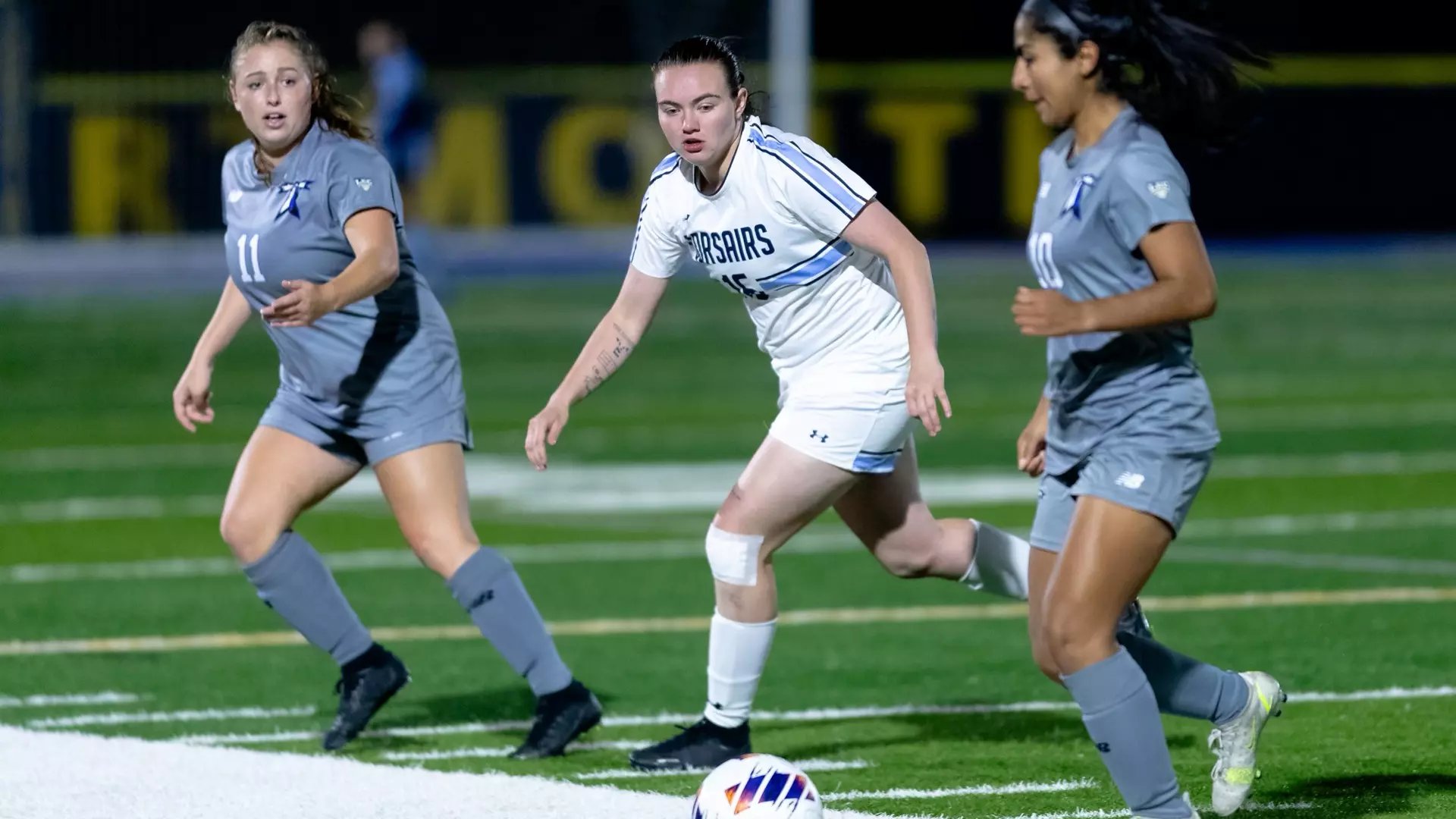
The standard length of a women’s soccer game is 90 minutes, divided into two 45-minute halves, with a halftime break.
Ever wondered how long you’ll be cheering for your favorite team? Knowing how many minutes in womens soccer game is crucial for both players and fans. The clock ticks down as each team strategizes and aims to score.
The pace, the excitement, all unfold within a specific time frame. We will explore this duration, which sets the rhythm of every match, and affects the flow of the game. Understanding the exact playing time lets you enjoy the action completely.

How Many Minutes in a Women’s Soccer Game?
Ever wondered how long a women’s soccer game lasts? Well, you’re in the right place! It’s not quite as straightforward as you might think. While the standard game time is often consistent, there are some things that can change how long a match actually takes. Let’s dive into the details of game length in women’s soccer.
The Standard 90 Minutes: The Heart of the Game
The foundation of a women’s soccer match is a period of 90 minutes. This is the same amount of time played in men’s professional soccer. It is divided into two halves, each lasting 45 minutes. Between these halves, there’s a break called halftime.
Think of it like watching two separate 45-minute shows with a short intermission in between. This 90-minute timeframe is what you’ll see in most professional and international women’s soccer competitions.
Halftime: The Brief Pause
After those intense 45 minutes, players need a break! The halftime period is usually 15 minutes long. During this time, players can rest, get instructions from their coaches, rehydrate, and prepare for the second half. It’s a crucial part of the game where strategies can be adjusted and energy levels can be replenished.
What about Extra Time?
Sometimes, a game can’t be decided in the regular 90 minutes. This happens in knockout rounds of tournaments, where a clear winner needs to be determined. In such cases, we move to “extra time.”
Understanding Extra Time
Extra time is an additional 30 minutes of play, divided into two 15-minute halves. There’s usually a very short break between these extra halves where they switch sides.
Extra time is physically demanding because the players are already tired from playing the initial 90 minutes. The pressure is on, and every minute counts. If, even after extra time, the score is still tied, the game then goes to penalty kicks.
Extra Time vs. Injury Time: What’s the Difference?
It’s important not to confuse extra time with injury time (also known as stoppage time). Extra time is played when the score is tied at the end of the regular 90 minutes in a knockout match, or in a match where a winner must be found. Injury time, on the other hand, is added to the end of each 45-minute half to account for any time lost due to injuries, substitutions, or other stoppages.
Injury Time (Stoppage Time): Adding the Unexpected
Soccer is a fast-paced sport, and things happen during a game! Time can be lost due to various reasons, including:
- Player injuries
- Substitutions
- Goal celebrations
- Other delays that might happen during a match
To make up for these stoppages, referees add injury time (or stoppage time) at the end of each half. The referee decides how much extra time is needed. There’s no exact formula; it’s based on the game’s events. Sometimes it is just one minute, and sometimes it can be five or six minutes, depending on the amount of stoppages.
This is why you might see a soccer game last longer than 90 minutes on the clock, it is often closer to 95-100 minutes with injury time factored in, even without going into extra time.
Game Length Variations: Different Age Groups
While the standard for professional women’s soccer is 90 minutes, game lengths vary for younger players. It’s all about making the game appropriate for their physical abilities and attention spans.
Youth Soccer: Adjusting for Age
For younger players, the focus is on development and enjoyment. The game length is typically shorter to prevent fatigue and ensure they get the most out of their experience. Here’s a general guide:
- Under 8: Usually two 20-minute halves.
- Under 10: Usually two 25-minute halves.
- Under 12: Usually two 30-minute halves.
- Under 14 and up: Usually two 45-minute halves (same as the pros)
These game lengths can vary by league or country, so it’s important to check with your specific league or association for the most accurate information.
High School and College Soccer
Typically high school and college women’s soccer games follow the standard pattern of two 45 minute halves. Although some high school leagues may have slightly modified game lengths, especially at the lower levels. College games also adhere to the 90 minutes, often with the chance of extra time in the important knockout rounds and playoffs.
Specific Tournament Rules
It is important to know that different leagues and tournaments might have their own specific rules. For example, some tournaments might have slightly different lengths for youth levels, while some tournaments may have rules that involve only playing extra time in the final. Always check with the specific rules before assuming a game length. This rule often differs from tournament to tournament.
Factors Influencing Game Duration
As we’ve discussed, there’s more to a soccer game’s duration than just the standard 90 minutes. Several factors can influence how long a game actually takes.
Weather Conditions
Extreme weather, such as heavy rain, strong winds, or extreme heat, can lead to interruptions or even delays in the game. While weather does not change the official length, it could add to the total time you spend at the field. If the weather makes playing conditions dangerous, the game could be paused or even canceled. Although this is a very rare situation.
Serious Injuries
If a player is seriously injured and needs medical attention on the field, the game may be stopped for an extended period. This extra time will always be added to the end of the half as injury time. The referee and medical personnel ensure the player is safe before resuming play.
VAR Reviews
The use of the Video Assistant Referee (VAR) is increasingly common in professional leagues and tournaments. VAR allows referees to review decisions that are made during a game with the use of a video. These reviews can take a few minutes and those times are also added to stoppage time. VAR plays an important role in ensuring fair play, but it also can add extra time onto the match.
Other Stoppages
There can be many little stoppages that happen, ranging from player substitutions to fouls. These time stoppages can also add additional time onto the game.
A Quick Recap in a Table Format
Let’s summarize the key points with a simple table:
| Game Element | Duration |
|---|---|
| Regular Time | 90 minutes (two 45-minute halves) |
| Halftime Break | 15 minutes |
| Extra Time (if needed) | 30 minutes (two 15-minute halves) |
| Injury/Stoppage Time | Variable; added to the end of each half |
Why 90 Minutes? A Look at the History
The 90-minute standard for soccer games wasn’t just randomly chosen. There’s actually a history behind it! In the early days of the game, there were many different game lengths. As soccer became more organized, rules were made, and many of the early soccer leagues came up with different time formats for their games. Eventually, 90 minutes became the standard, and it has stayed with us ever since. The reasoning is mostly historical, and it works for the players in terms of both fitness and entertainment for viewers. 90 minutes has become the accepted norm for the sport.
Is The Game Time Fair?
Many people ask if 90 minutes is fair. There are no easy answers. For most of soccer’s history, it has been 90 minutes, and fans enjoy that format. There is a push from some to shorten it to 60 minutes, and it has been done in some youth leagues. However, the professional leagues are still mostly keeping the 90-minute format.
Understanding the duration of a women’s soccer game involves more than just the initial 90 minutes. Factors like halftime, injury time, extra time, and variations for different age groups all play a role. With this information, you’ll have a much better idea of how long the next match you’re watching will take. This knowledge makes watching and appreciating the game much more enjoyable!
What player has the best goal celebration? 🤔 #fifawwc #uswnt #soccer
Final Thoughts
A standard women’s soccer game consists of two 45-minute halves. There is a 15-minute halftime break between these periods. Therefore, the regulation playing time is 90 minutes.
Extra time may happen if the match is a knockout game. This usually involves two 15-minute periods. So, knowing ‘how many minutes in womens soccer game’ is 90 minutes in regulation.

