
An NBA game is 48 minutes long, divided into four 12-minute quarters.
Ever found yourself wondering how long that exciting basketball game you’re watching will last? It’s a common question, especially if you’re new to the sport or just trying to plan your evening. Knowing how many minutes is a NBA game can help with that.
The game clock ticks down during play, and there are also timeouts and halftime breaks to consider. So, the actual time a game takes to complete may vary.

How Many Minutes is a NBA Game?
Okay, let’s dive deep into the exciting world of basketball and figure out just how long an NBA game really lasts. It’s more than just the number on the clock; it’s a whole experience! While the clock might say 48 minutes, a game usually takes quite a bit longer because of all the stoppages and breaks. We’ll explore all the ins and outs of NBA game timing, so get ready to learn everything about how long you’ll be glued to your seat (or the edge of it!).
The Standard 48 Minutes of Play
The heart of every NBA game is the 48 minutes of actual playing time. This is broken down into four equal quarters, each lasting 12 minutes. Think of it like four mini-games within one big game. Players hustle, shoot, and defend for those 12 minutes, trying to outscore their opponent in each quarter. This is where the main action happens, and the score really racks up. If you just looked at the clock, you’d think an NBA game would be over in less than an hour, but there’s much more to it than just this 48 minutes. These 48 minutes are pure basketball action, the core of what makes the game exciting, and if the game is tied by the end of these 48 minutes, the game extends to overtime.
Quarters and the Flow of the Game
Each 12-minute quarter shapes the game’s flow. Teams use different strategies during various quarters. Sometimes, a team will start strong in the first quarter to gain an early lead. Other times, they may take it slow, saving their energy for the crucial later quarters. This approach adds a layer of complexity and tactics to how the teams play. The intensity in the final quarter can be quite thrilling, as this is often where the game is decided. The 12-minute quarters are very important as they give the teams a short, manageable time to perform and show their strategies.
Timeouts: Pauses in the Action
Now, here’s where things get interesting! NBA games aren’t just about non-stop action. Teams get breaks called timeouts. These are short pauses during which coaches can talk to their players, plan strategies, and let everyone catch their breath. These timeouts also let the players drink water, which helps them perform better. There are several types of timeouts throughout the game. Full timeouts are longer, giving teams more time to strategize, while short timeouts are for a quick breather. They are often used when one team is on a run or to stop the momentum of the other team. These timeouts are strategic tools that coaches use to gain an advantage, or recover their team. The number of timeouts per game and quarter is not unlimited, so coaches must wisely use them. Generally, teams will have several timeouts throughout the game, but there are regulations on when and how many they can use.
Types of Timeouts
There are two main types of timeouts: full and 20-second timeouts. Full timeouts are longer and can be used by teams to make significant strategy adjustments or give players more time to rest. The 20-second timeouts are shorter and usually used for a quick rest or to advance the ball when a team is on offense. The number of each type of timeout a team can call is limited, so teams must manage their timeouts wisely. These short breaks help pace the game and create exciting moments when the action resumes. The strategic use of timeouts is often very important for a team to win the game. In close contests, using a timeout at the right moment can swing momentum.
Halftime: The Longer Break
After the second quarter, there’s a longer break called halftime. This is usually 15 minutes long and gives players the chance to rest up, get feedback from their coaches, and prepare for the second half of the game. Halftime is also a time for fans to get a break and refresh themselves. You might see some fun entertainment, like dance performances, or maybe even a special half-time show. Halftime is very important as it divides the game into two halves. It gives teams a chance to regroup and adjust their game plans based on what they saw in the first half. Sometimes a team comes out playing much differently after halftime, showing the big impact of these long breaks.
Halftime Entertainment
During halftime, many NBA arenas feature entertainment to keep fans engaged and entertained. These performances can vary from dance teams and musical acts to contests where fans can win prizes. The halftime show provides a break from the intense on-court action and adds to the overall game day experience. It is not always just the games that fans enjoy, the halftime shows also help increase the viewership of a game. Halftime shows are especially exciting during playoffs and NBA finals.
Overtime: When the Game Goes Extra
Sometimes, after the four quarters are over, the score is still tied. When this happens, the game goes into overtime. Overtime periods in the NBA are five minutes long. If the game is still tied after one overtime period, then another overtime period is played, and this continues until a team finally wins. Overtime periods are known to be some of the most exciting moments in basketball, and it’s when the players go full effort to win. Every possession becomes that much more important and the intensity goes up another level. The players give their best performance as they know every second matters in overtime. The pressure is on, and this makes overtime games quite thrilling to watch.
Overtime Length and Scenarios
Overtime periods are crucial, adding tension and unpredictability to the game. Each overtime lasts 5 minutes, and teams continue to play overtime periods until one team leads. Games can go into multiple overtime periods, which can extend the game significantly. Overtime is one of the most exciting aspects of basketball for both fans and players because games are won and lost in these periods. Players are very strategic in overtime and each play is critical. The intensity during overtime is often very high, creating nail-biting moments for all who watch. The ability for teams to stay calm, focused and precise is key during overtime, making it very important for the teams.
Factors That Increase Game Time
So, if the actual playing time is 48 minutes, why do NBA games usually last much longer? There are several factors that make game time go beyond the 48 minutes. These are the things that happen during a game which add extra time. These stoppages include free throws, timeouts, reviews, injuries, and intermissions. These all add extra time, which turns a 48 minute game to about 2 hours or more. The actual clock time is just a piece of the game’s duration, these additional factors add more to the overall time. We also have clock management to consider.
Free Throws
When a player gets fouled while shooting, they are often awarded free throws. Free throws stop the game clock, adding time to the game, as they do take some time to complete. Each free throw can take a few seconds, and if there are a lot of fouls, those seconds add up. Free throws are also very important in the game because it can change the game by a lot of points. Some games have a lot of free throws, while other games have less free throws which adds or reduces to the total game time. Free throws are often a very important part of any close game. This is one of the reasons why total game time is way more than 48 minutes.
Reviews
In today’s NBA, instant replay and video reviews are often used to make sure that plays are ruled correctly. When a referee makes a call, the coaches can challenge the decision. If this happens, the game stops while the review takes place. These reviews can take a few minutes, which adds extra time to the game. This might be a review for out of bounds, or a foul, or a basket interference. The reviews add a lot of correctness to the game because it helps the officials to get the calls right. This also ensures that teams are not unfairly penalized. Though reviews add time, they are an important part of the game.
Injuries
When a player gets injured during the game, play stops while medical personnel take care of the player. Injuries can be quite serious, sometimes requiring long delays while medical staff attend to the player and help them off the court. These injury breaks can range from a few minutes to much longer, depending on the severity of the injury. Player safety is always the priority, so games are often halted until the injured player is taken care of. Injury breaks add a lot of time to the game but are essential for the health of the players and must be given priority.
Clock Management
Clock management is a critical part of the game, especially in the final minutes of the quarter. Teams will strategically use timeouts or play at a slower pace to run down the clock when they have a lead. Or, they might use timeouts to create the last shot in the game. Clock management is a crucial part of basketball because coaches need to be very precise to make sure they use the time wisely. The teams are very strategic about this. These actions are very common in the last few minutes of a game and can extend the total game time. A team that manages the clock well can make an impact and end the game in their favor. Teams also get time to set the right shot at the right time. These things are not timed but they do add to the overall time of the game.
Average Length of an NBA Game
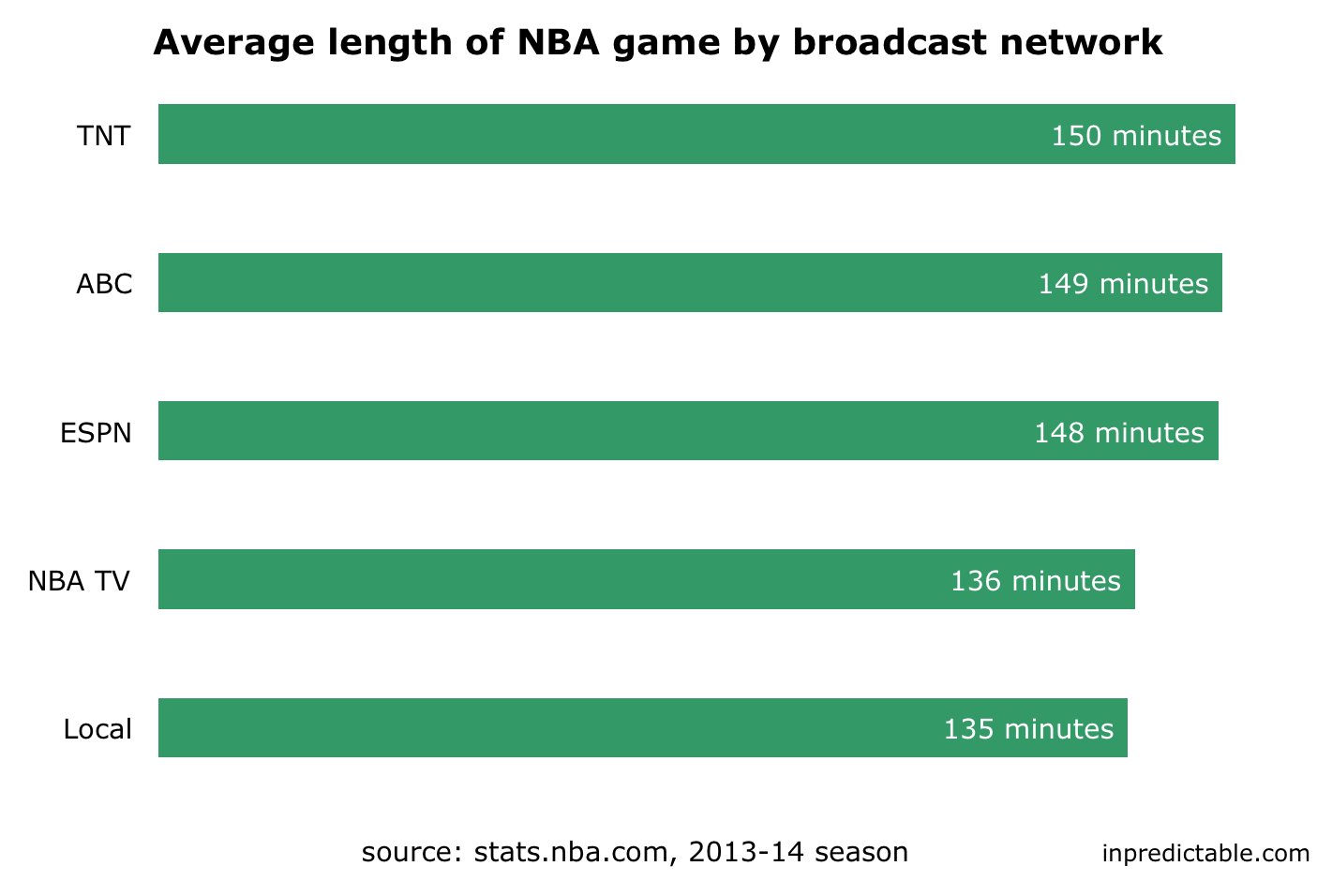
So, given all these factors, how long does an NBA game actually take? While the playing time is 48 minutes, the total time from tip-off to final buzzer is usually around 2 to 2 and a half hours. This time can vary depending on the number of timeouts, free throws, reviews, and overtime periods. Some games might finish quicker, and other games could take even longer. But, generally, you should expect an NBA game to take up approximately this amount of time. This average accounts for all stoppages and breaks, so you know what to expect when you plan your time for a game.
Time Variations in a Game
The total duration of a game can vary for a number of reasons. High scoring games may have more free throws, which means more clock stops. Games with lots of fouls also have more stops for free throws. Games with close scores in the final quarter may also have more timeouts and reviews. Injury stoppages can also significantly increase total game time. All of these factors affect the game time. A game without overtime can take 2 hours, but a game with multiple overtimes can go past 3 hours. These are some of the things that can increase or decrease the total time of an NBA game. Fans also tend to watch the games closely, and with all these stoppages and factors, they are fully entertained.
The Fan Experience
The length of an NBA game is more than just about time; it’s about the complete fan experience. It’s the full two hours, or even more, of cheering, suspense, excitement, and the ups and downs of the game. The game is not just about the time on the clock. When you watch a game live, it’s much more than just 48 minutes. It’s about getting the full atmosphere, the crowd cheering, and the energy of the players. For the TV viewers, you get to see the commentary and the analysis of the game. Fans also get to see and feel all the tension that comes with a close game, or the amazing moments of an overtime game. It’s all these things that make the NBA exciting and enjoyable for both in-person and TV viewers.
Game Day Atmosphere
Attending a live NBA game is an immersive experience. The atmosphere in the arena is electric, with fans cheering, music playing, and the excitement of live basketball action. The total game time is filled with moments of high energy and enthusiasm. From the warm-up to the final buzzer, fans are fully involved in every moment. The game day experience is more than just the game itself. It includes the whole atmosphere, which makes it quite special. Fans often arrive early to soak up the pre-game atmosphere, and many will stay late to celebrate or just take in the events of the day. The total time spent at an NBA game becomes more than just 48 minutes of basketball, it is about the full event.
So, while the clock says 48 minutes of play, an NBA game is a full experience that usually lasts around 2 to 2 and a half hours. This is due to timeouts, free throws, reviews, injuries, and, of course, the intense overtime periods. It’s not just a game; it’s a whole event that provides excitement, entertainment, and memorable moments.
How long is a NBA game?
Final Thoughts
A standard NBA game is 48 minutes long. This time is divided into four quarters, each lasting 12 minutes. It’s important to note that the game clock stops frequently.
Therefore, the actual duration of a game far exceeds 48 minutes. The time-outs, fouls, and other stoppages extend the game. how many minutes is a nba game can often be misleading if you think only of the playing time.

