
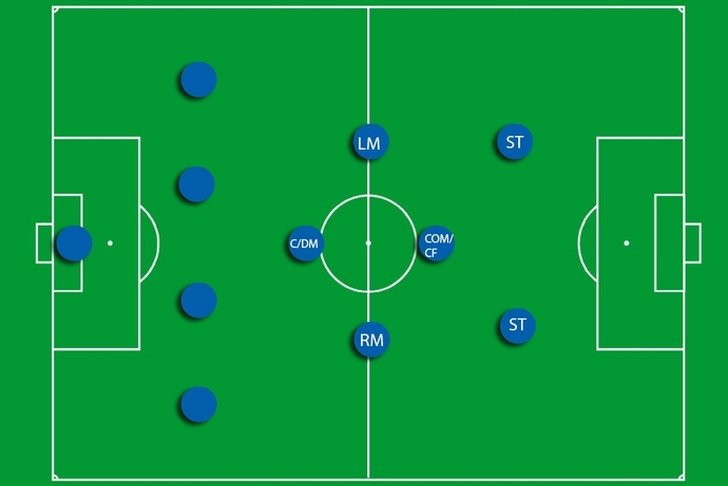
There are 11 players on each team in a soccer game, totaling 22 players on the field at any given time.
Ever wondered about the dynamics of a soccer match? Perhaps you’ve pondered the simple yet crucial question: how many people play in a soccer game? The answer is fundamental to understanding the game’s flow and strategy.
Knowing that two teams of 11 players each compete, sets the stage for how the game unfolds. Each player has a role, and their collective efforts are what make the beautiful game so captivating to watch.

How Many People Play in a Soccer Game?
Ever watched a soccer game and wondered, “How many people are actually out there on the field?” It’s a great question! It’s more than just a bunch of players running around. There’s a specific number of people needed to make a soccer game happen. Let’s dive into the details and explore all the different roles on the field.
The Basics: The Starting Lineup
The most important number to remember is 11. Yes, each team in a standard soccer match has 11 players on the field at the same time. This includes the goalkeeper, who is super important for stopping goals, and 10 other players who run around and try to score goals for their team, and stop the other team from scoring. This is the classic formation you see in professional leagues, in high school, and in many youth leagues too.
Understanding the Positions
Those 11 players aren’t all doing the same thing. They have specific roles and positions, like pieces on a chess board. Let’s break down a typical soccer team’s positions:
- Goalkeeper: This player is the last line of defense. They wear different colored gloves and their main job is to keep the ball out of the net.
- Defenders: These players are there to protect the goal, stop the other team from scoring. They are generally positioned in front of their own goal.
- Midfielders: These players are the engine of the team. They control the ball in the middle of the field. They need to be good at both defending and attacking.
- Forwards (or Strikers): These are the players who get closest to the other team’s goal. They’re the ones most often scoring.
It’s important to remember that each position has specific duties. Defenders are focused on preventing goals, while forwards try to create and score goals. The midfielders link these two parts of the team.
Beyond the Starting 11: The Bench
While you see 11 players from each team on the field at the start of a match, there are other players who are just as important: those on the bench. These are the substitute players. They’re ready to jump in if one of the starting 11 needs a break or if a coach wants to change the team’s strategy. The number of substitutes allowed can vary depending on the league or competition.
How Many Substitutes are Allowed?
The number of substitutes varies but often it is between 3 to 5 in a standard match, with some competitions allowing even more, especially in friendlies or youth games. Usually there are 7 or more players are on the bench waiting to be substituted. These rules are set to ensure all players can get a chance to play and to protect players health and reduce fatigue.
Why do Teams have Substitutes?
Having substitutes is super important! Here are some key reasons:
- Injuries: If a player gets hurt, a substitute can quickly take their place.
- Fatigue: Players get tired! Substitutes can come in to keep the energy levels up.
- Tactics: Coaches can use substitutes to change the way their team plays in the game.
- Changing the Game: Sometimes a coach wants to try a different combination of players to get ahead.
Different Soccer Games, Different Numbers
The standard 11-a-side is the most popular setup for soccer, especially at the professional and high school level. However, not every soccer game uses this setup. Younger kids often play with fewer players, which is better for their development, to give them more touches on the ball, and to help them learn the game.
Small-Sided Soccer for Kids
When kids start playing soccer, it’s common to see smaller teams playing on smaller fields. This type of game is called small-sided soccer, and it’s really helpful for young players to learn the game because there are more chances to touch the ball and more open space on the field. This usually has fewer players than the traditional 11-a-side game. Here are some common setups:
- 4v4: Four players on each team. This is a great starting point for very young children.
- 5v5: Five players on each team. This is another good option for kids just starting out.
- 7v7: Seven players on each team. This is often used for kids around ages 9 to 11.
- 9v9: Nine players on each team. This is a good stepping stone to the 11v11 format.
The goal of small-sided soccer is to give each kid more touches on the ball, and to make sure everyone is involved in the game. It also allows them to understand tactics better by having more opportunities to make plays.
Indoor Soccer (Futsal and Arena Soccer)
There are also other forms of soccer, like indoor soccer. Futsal and arena soccer are two popular variations of indoor soccer and they have different player numbers:
- Futsal: Typically played with 5 players per side, including the goalkeeper. It is played on a hard court rather than grass or artificial turf.
- Arena Soccer: Usually played with 6 players on each team, including the goalkeeper. It’s often played on an indoor field with walls, which add some different types of gameplay.
The smaller number of players and the smaller playing area makes indoor soccer really fast-paced. It relies on quick thinking and precise passing.
The Role of the Referees and Other Officials
Players aren’t the only people on the field. There are important people who make sure the game is fair and follows the rules. These are the referees and other officials.
How Many Referees?
Usually, there is one main referee on the field who has the most important role in keeping the game fair and calling fouls. This person runs all over the field to get the best view of the action, calling the fouls when rules are broken. The main referee is like the boss of the game.
Linesmen/Assistant Referees
In most games there are also one or two assistant referees, also known as linesmen. They stand on the sidelines of the field. Their main job is to help the main referee. These referees help watch for things like offsides, when the ball goes out of bounds, and they assist with other situations happening during the game. They use flags to show the main referee things like when a throw-in, corner kick, or goal kick happens.
Fourth Officials and Other Match Officials
In professional games there are even more officials. Often a fourth official monitors substitutions and keeps track of injury time. There are also additional officials to assist with VAR (Video Assistant Referee) where it is used.
So while you see those players out on the field playing the game there are many more people who contribute to make the soccer games happen, from the players sitting on the bench, to the referees, linesmen, and officials.
Summary of Player Numbers in Soccer
Let’s bring all the information together. Here’s a quick recap of how many people play in a soccer game:
- Standard 11-a-side: 11 players per team on the field at a time.
- Substitutes: Usually 3 to 7 on the bench, but sometimes more depending on the rules.
- Small-sided games: 4v4, 5v5, 7v7, or 9v9 games are common for younger players.
- Futsal: 5 players on each team.
- Arena Soccer: 6 players on each team.
It’s important to understand the number of people involved, as it can drastically change the way the game plays out. Each setup provides a different dynamic and a unique soccer experience!
Why the Number of Players Matters
The number of players on the field plays an important part in shaping how soccer is played. With 11 players on a team, there is a great balance between attacking and defending. This creates the complex, exciting, and tactical game that we know. Having the specific positions mentioned earlier creates a flow and each player has an important role to play.
In contrast, smaller-sided games for children, like 5-a-side, allow each player to get more touches of the ball and makes it easier for them to learn the game. They have to think quicker, pass faster and be more involved in all areas of the game. This is important for their development.
The different player numbers in different game types makes the beautiful game of soccer exciting to watch, and a fun game to play for all ages and abilities!
So, the next time you watch a soccer match, you will know that there’s more than just those 11 players you see running on the field. They all contribute to the excitement and the strategy of the match, and now you understand what each role is and how it all works!
How Many Players Are On A Soccer Team – sports blog
Final Thoughts
A standard soccer match features two teams. Each team fields eleven players at the same time on the field. This includes one goalkeeper and ten outfield players.
Therefore, a total of twenty-two players participate actively in any given soccer game. This is a key aspect to understanding the game.
So, ultimately, the answer to ‘how many people play in a soccer game’ is twenty-two. This number remains constant.

