
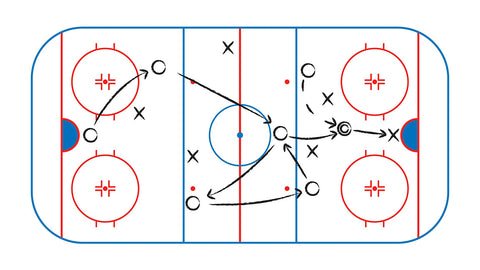
There are three periods in a hockey game.
Ever wondered about the structure of a fast-paced hockey match? It’s a question many new fans ask: how many periods are in a hockey game? The game’s flow divides into distinct segments that determine the overall structure.
Each period brings its own challenges and opportunities for teams to score. Understanding this format is key to appreciating the game’s strategy. Knowing how the action is broken up makes the viewing experience more engaging.

How Many Periods Are In A Hockey Game?
Okay, hockey fans, let’s dive deep into the heart of a hockey game – the periods! You know that a game isn’t just one long stretch of action, right? It’s broken down into sections, kind of like chapters in a book. So, how many of these chapters are there? The answer is a solid three! That’s right, a standard hockey game has three periods. But there’s so much more to understand than just that simple number. Let’s break it down, explore how these periods work, and even check out some exceptions to the rule, like what happens in a tie.
The Standard Three Periods
When you’re watching a professional hockey game, like in the NHL, you’ll almost always see three periods. These periods are the foundation of the game, and each one is 20 minutes long. But don’t think it’s just 20 minutes of nonstop playing. There are stops and starts, penalties, and all kinds of exciting moments that make the game what it is.
Length of a Period
As we mentioned, each period in professional hockey is 20 minutes long. This is actual playing time. So, if the puck goes out of play, or if someone gets a penalty, the clock stops. This ensures that the 20 minutes of game play is just that. In other hockey levels, like youth hockey, the period length can be shorter. This is often to accommodate the physical abilities of younger players.
Breaks Between Periods
After each period, there is an intermission. This is a break when players head to the locker room to rest, talk strategy with coaches, and get ready for the next period. The intermission between the first and second periods, and second and third periods is typically 15 to 18 minutes long in professional leagues. This time is valuable for players and teams, also for fans so that they can get concessions or visit the restroom before the next period starts.
Why Three Periods?
You might wonder why hockey games have three periods and not two or four. Well, the three-period format has been around for a long time and has become the standard. It provides a good balance between the need to get players rest, strategy time, and also the flow of the game. It’s been tested and proven to be a system that works well for both players and spectators.
- Player Rest: Three periods allow time for players to rest between intense action. Ice hockey is a physically demanding sport, so these breaks are essential.
- Strategy and Adjustments: Intermissions provide opportunities for coaches to adjust their strategies and motivate their teams.
- Fan Experience: The breaks give fans time to relax, grab some refreshments, and talk about the game. It breaks up the action into a more enjoyable viewing experience.
Variations in Period Length
While the standard in professional hockey is three 20-minute periods, there can be variations in other levels of the game. The period length often changes in these instances.
Youth Hockey
In youth hockey, periods are usually shorter. This is because kids need more frequent breaks and can’t sustain intense activity for as long as older players. Period lengths can vary depending on the age group and the specific league rules. For example, you may see periods lasting 10 or 15 minutes. The overall game length is shorter, too.
- Mites (6-8 years old): Often have periods that are around 10-12 minutes.
- Squirts (9-10 years old): Commonly have 12-15 minute periods.
- Peewees (11-12 years old): May play 15-minute periods, similar to some high school games.
High School Hockey
In high school hockey, period lengths can vary but are often 15 or 17 minutes. This depends on the state and league. The goal is to provide appropriate playing time for teenagers that suits the skill and stamina levels of the players at these ages.
International Hockey
For most international competitions, including the Olympics and World Championships, the standard three 20-minute periods apply. These games follow the same format as NHL games.
Overtime and Tiebreakers
What happens if the score is tied at the end of the third period? This is when it gets interesting! The rules for overtime can vary, but here’s a general overview.
Overtime Period
In many leagues, if the game is tied after three periods, they go into an overtime period. These periods are shorter, and in many professional leagues it is played with less number of players on ice, to increase the chances of goals being scored. In the NHL, regular-season overtime is 5 minutes long. In some leagues it can be up to 10 or 15 minutes.
Sudden Death
Overtime in hockey is usually sudden death. This means that the first team to score a goal wins the game. This adds a ton of excitement and drama. In the regular season, if no one scores in overtime, the game will end in a tie, and will go into shootout. But in Playoff and championship game there will be overtime until one team scores.
Shootouts
If a game is still tied after overtime in regular season, many leagues use a shootout. In a shootout, each team takes turns with players trying to score against the opposing goalie. These penalty shots determine the winner of the game. If the game is tied in playoffs and championship games, they play multiple sudden death overtimes till one team scores.
- Round 1: Each team gets 3 shooters, and these players go one by one and try to score a penalty shot against the opposing goalie.
- Sudden Death: If the game is still tied after round 1, the shootout enters a sudden death format. This means one player from each team takes their shot, and they alternate till one player scores and the other doesn’t.
How Clock Stoppages Affect Game Time
A hockey game has a playing time and a total time. The periods are not continuous. During a hockey game, the game clock can stop many times. This makes the actual time spent playing the game much longer than just 60 minutes. Some common reasons include:
- Penalties: If a player breaks a rule, they are penalized and go into the penalty box, causing the clock to stop until their team is back to full strength.
- Puck out of play: When the puck goes out of bounds, the clock stops to resume the play.
- Icing: When a player shoots the puck from behind their own goal line to the opponent’s goal line, without touching anything in between, it’s called icing. This also stops the clock.
- Injuries: In case a player gets injured, the clock stops until he gets medical attention.
- Goals: Whenever the team scores the goal, the clock gets stopped and then starts after the officials are done with their discussion.
These stoppages add to the length of the game. An NHL game, including intermissions, can last two and a half to three hours or even more.
Understanding the Flow of the Game
Having three periods with intermissions is all about managing the intensity of the game. The game flow goes in this pattern:
- First Period: Teams typically come out fresh and with high energy, trying to set the tone for the game.
- First Intermission: This gives a chance to the teams to gather themselves and make necessary adjustments.
- Second Period: In the second period, players continue to play hard as they understand the flow of the game.
- Second Intermission: The teams make strategies again and they also use it to reenergize their players.
- Third Period: The final period is where the game intensity goes up a notch as the teams fight for the game, with a greater sense of urgency.
The intermissions provide an opportunity to evaluate how well you are doing or what adjustments you need to make. They also give a break to the fans watching from the arena or from the television.
The Importance of Understanding Periods
For fans, understanding how the periods work is important to fully enjoy the game. Knowing when to expect breaks, and how overtime works, makes watching hockey more fun. For players, understanding periods is key for their game strategy and stamina management. It allows them to play smart and make adjustments in every period.
Whether you are a newcomer or a long-time fan, knowing all about the periods and what can happen in them is very crucial. With a clear understanding of the game’s format, you can easily appreciate the intensity, strategy, and excitement of ice hockey. It all starts with knowing your three periods!
So, there you have it. Three periods, each filled with intense action, strategic plays, and amazing moments. The way the game is structured gives the audience an edge-of-the-seat experience. Knowing how the periods work, what happens when there are ties, and how the clock can affect game time is all part of the wonderful experience of watching a hockey game.
How Many Periods In Ice Hockey? (Explained)
Final Thoughts
A standard ice hockey game features three periods. Each period lasts 20 minutes of playing time. There are intermissions between periods.
These breaks provide rest for players and time for teams to strategize. Ultimately, the question ‘how many periods are in a hockey game’ has a simple answer: three.

