
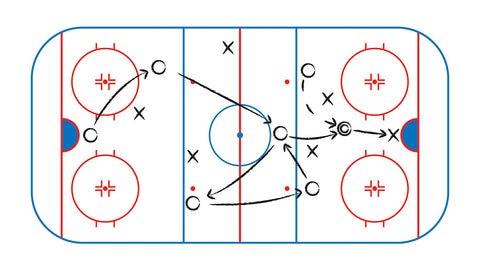
There are three periods in hockey games.
Ever wondered about the structure of a hockey game? It’s a fast-paced sport with clear segments. Many new fans ask, “how many periods are in hockey games?”. This is a fundamental question.
A standard ice hockey game divides into three main sections. These periods separate the action, giving players time to rest and coaches time to adjust strategies. Each period brings its own intensity and importance to the match.

How Many Periods Are in Hockey Games?
Okay, let’s dive right into the exciting world of hockey! When you watch a hockey game, you’ll notice the action is broken up into sections. These sections are called periods, and they’re a key part of how a game is played. Understanding how many periods there are, and why they exist, is a basic but important part of enjoying the sport. So, let’s get started and explore the world of hockey periods!
The Standard Hockey Game: Three Periods
Most professional and competitive hockey games, like those in the NHL (National Hockey League), follow a standard format: they have three periods. Each period is 20 minutes long. This is the main way hockey games are structured, so if someone asks about the standard number of periods in hockey, the answer is almost always three. These three periods of fast-paced skating, puck handling, and thrilling goals make up the bulk of a standard hockey match. It’s the most common structure you’ll see when watching games on TV or at the arena. But like most rules, there are other special times where things are different!
The Length of Each Period
So, we know that there are three periods in a standard hockey game, but how long does each period last? Each regular period in hockey is 20 minutes long. This is the actual playing time, not including breaks for penalties, injuries, or stoppages in play. It’s important to note that when the play stops, the clock stops too. This ensures that each team gets the full 20 minutes of play. So when you’re watching the game, pay attention to the clock, you will notice that it does stop and start frequently. This is a key factor that makes hockey so exciting. When we add up all the playing time in a hockey match, we can calculate the total of playing time in a hockey game.
Total Playing Time in a Hockey Game
If each period lasts 20 minutes, and there are three periods in a standard game, then you might think the total playing time is simply 60 minutes, right? However, that’s not necessarily true in terms of real time. Because the game clock stops whenever there’s a whistle blow, which could be for a penalty, an icing, offside or the puck going out of bounds. It’s worth noting that game time is different from the total time you might see on your TV or at the arena. Game time is all about the active time the puck is being played, that’s why they have different timers.
- First Period: 20 minutes
- Second Period: 20 minutes
- Third Period: 20 minutes
- Total standard playing time: 60 minutes
Even though the playing time is 60 minutes, the actual time a hockey game takes in reality from start to finish can be much longer due to intermissions and other stoppages which we’ll go into later.
Intermissions Between Periods
Now, what happens after each period? Well, there is a short break between periods called an intermission. An intermission is like a mini-break where the players can rest, coaches can make adjustments and fans can stretch their legs. Normally, these intermissions last 15-20 minutes each. This time also allows for the ice to be cleaned by the zamboni machine, which is important for keeping the ice smooth and playable. During this period the teams will usually go into their dressing rooms to make some adjustments and come back stronger.
Why Intermissions Are Important
Intermissions are more than just a break. They give players a chance to catch their breath and rehydrate. It allows the coach to talk to his team and discuss strategy, and make some changes for the next period. Also, the ice can get torn up during play, so the Zamboni machines get to work resurfacing it.
Differences in Period Lengths for Younger Players
While the standard for professional hockey games is 20-minute periods, the time can change for younger players. For example, in youth leagues, the periods are often shorter, such as 10 or 15 minutes each. The main reason behind this change is to accommodate the different physical capabilities of younger players. This helps them to stay active without getting too tired. Also, this allows the younger players to focus and also learn more effectively.
Why Reduce Period Times for Younger Players?
- Shorter periods help with the physical endurance of younger players.
- It makes sure they stay focused throughout the game.
- Also, this is very helpful for their learning experience.
Overtime in Hockey
What if the game is tied after the three periods are done? That is when the overtime comes in. In regular season games, overtime is a short period added to the end of the game when a winner needs to be decided. However, in the playoffs, overtime periods can keep going until someone scores. In regular season games the overtime period is usually 5 minutes long with a 3-on-3 play which is very exciting. This is a change from the regular 5-on-5 play during the three periods. If the game remains tied after overtime, they go to a shootout. In the playoffs, if the game is tied after regulation, the teams will play a full 20-minute overtime period using the 5-on-5 play style, and will keep playing additional 20-minute periods until one team scores.
Overtime Variations
It’s important to note, there can be variations in the overtime rules depending on the hockey league. Some leagues might have a shorter overtime period or have a different rule on how they play 3-on-3 or 4-on-4 style of play. The key is that overtime happens when a game needs a clear winner. Here is the difference between overtimes.
- Regular Season Overtime: Usually a shorter period with fewer players (3-on-3).
- Playoff Overtime: Full 20 minute periods, using 5-on-5 hockey and can continue for several overtime periods.
Why Three Periods? The History and Strategy
You might be thinking, “Why three periods? Why not two or four?” Well, the three-period format of hockey goes way back. The reasons for adopting this format were a mix of historical and strategic considerations. The three-period setup provides a good balance for the physical demands of hockey. The game can be very demanding, with the players skating hard for several minutes at a time. By having three periods the players get the much needed rest during intermissions and also the coaches can review, re-strategize the game.
The Strategic Element
The three periods format adds strategy to the game. Coaches need to think about how their team performs across three distinct time periods. This also includes adjustments and how to manage players time on the ice. This can involve making tactical changes or focusing on using specific player skills at different points in the game. The three-period format has become a key part of what makes hockey exciting.
Other Factors Affecting Game Time
We’ve talked about playing time, but what about the total time a hockey game actually takes? There are a number of factors that can make a game last longer than just 60 minutes of playing time. These can include things like penalties, video reviews, injuries, TV timeouts, and other game stoppages. Here are some more details:
Game Stoppages
Any stoppage in the game stops the clock. This includes things like penalties, goals, offsides, icing, or injuries. Referees will stop the game for any rule infraction, which can cause the game to last longer. Each penalty results in a stop and can even give a team a power play. This means the team has the man advantage, which leads to more exciting gameplay. These stoppages are necessary to keep the game fair and safe.
Video Reviews
In hockey, there can be video reviews of potential goals to make sure they were done according to the rules. These reviews are important to make sure goals are counted properly, but they can also add time to the game.
TV Timeouts
For games that are broadcasted on TV, there are usually TV timeouts for commercials. These breaks add to the total duration of a hockey game, and that’s important for TV audience. These timeouts usually occur at natural break points in the game, so you usually won’t notice a huge difference in the flow of the game.
The Flow of a Hockey Game
The game of hockey is fast paced, and the stoppages of the game might seem like they can be annoying, but it’s actually what makes the game so exciting and strategic. The breaks between the periods also allows for teams to make adjustments and come back stronger and ready to play more hockey. This constant interplay of action and rest is what makes hockey so compelling to watch.
A Quick Review: The Important Points
Okay, let’s quickly review the main points about periods in a hockey game:
- Standard hockey games have three periods.
- Each period is 20 minutes long.
- There are intermissions between periods, with varying times.
- Overtime happens when a game is tied after regulation.
- Game time and actual time are different due to stoppages.
Understanding the three periods of hockey is key to enjoying the game and allows you to understand the structure of how it’s played. From the strategy of coaching, to the speed of the game, every part is important for the players and the fans. Now you have the knowledge to fully enjoy the excitement of a live hockey game.
How Many Periods In Ice Hockey Game? – The Winter Sport Xpert
Final Thoughts
So, to clarify, hockey games have three periods. Each period lasts 20 minutes of actual playing time. Between each period, there is an intermission for players to rest and regroup.
Understanding how many periods are in hockey games is fundamental to following the sport. The three-period structure provides a framework for the action and strategy. This also allows for exciting shifts in momentum throughout the game.

