
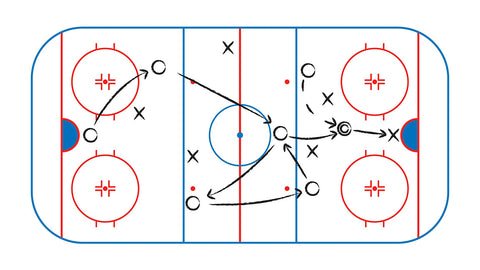
There are three periods in a standard hockey game.
Ever wondered how long a hockey match really lasts beyond all the thrilling action? The clock ticks down, players battle, and goals are scored, but how many periods are there in a hockey game that structure this sporting spectacle? It’s a simple question with a straightforward answer that many new fans might not know.
Understanding the game’s format is fundamental. Knowing the flow of the match means you can truly engage with the sport and follow all its twists and turns. It allows better anticipation of strategic plays.

How Many Periods Are There in a Hockey Game?
Alright hockey fans, let’s dive deep into the heart of the game and answer a question that might seem simple but has some cool details: How many periods are there in a hockey game? The quick answer is: there are usually three periods in a standard hockey game. But, like most things in life, there’s more to the story than just that. Let’s break down what each period means, and look at how they affect the flow and excitement of a hockey game.
The Standard Three-Period Structure
A typical professional or amateur hockey game is divided into three equal periods. These periods are the main sections of play, and each one is designed to give teams time to battle it out on the ice.
How Long is Each Period?
In most professional leagues like the National Hockey League (NHL), each period is 20 minutes long. However, this is actual playing time. The clock stops whenever play is interrupted, such as when a penalty is called or the puck goes out of bounds. This makes the total time it takes to play a period often much longer than 20 minutes of clock time. For younger leagues or amateur games, periods can be shorter, often 15 minutes or even 10 minutes, to suit the players’ age and abilities. It’s also crucial for us to know that in international ice hockey, period length is the same as the NHL, meaning 20 minutes.
Why Three Periods?
The three-period structure gives hockey its unique ebb and flow. Each period allows for a fresh start, a chance to adjust strategies, and for players to give their all. It’s a nice middle ground between being too short and too long, keeping the action fast-paced and exciting for fans. It also provides a natural stopping point between each period to allow players to rest and recharge their energy. Three periods allows coaches to make the required adjustments in tactics and strategies if need be.
The Breaks Between Periods: Intermissions
Okay, so we have our three periods, but what happens in between? The breaks between the periods are called intermissions. Intermissions aren’t just for players to catch their breath; they’re a big part of the hockey experience.
The Purpose of Intermissions
Rest and Rehydration: Players need to replenish their energy after each period. Intermissions allow them to get hydrated and gather themselves for the next period.
Coaching Strategies: Coaches use intermissions to talk strategy with their team, discuss what’s working and what’s not, and make adjustments for the next period.
Ice Maintenance: Ice gets chopped up during the game, and it needs to be resurfaced to ensure a smooth playing surface. That’s a primary job of intermission.
Fan Experience: Intermissions are a great time for fans to grab food, visit the restrooms, or just stretch their legs. It helps fans stay engaged and entertained throughout the hockey game.
How Long are Intermissions?
Typically, intermissions are 15 to 18 minutes long, but they can vary based on the level of play. In the NHL, you usually see a 17-minute break between the first and second period, and also second and third period. This gives enough time for all the necessary tasks to happen and to ensure players are well-prepared to get back on the ice.
Overtime: When Three Periods Aren’t Enough
What happens when the score is tied after three periods? Here’s where the excitement ramps up even more: overtime!
How Does Overtime Work?
Overtime is an extra period played when the game is tied at the end of the third period. Overtime rules change a bit based on the league or level of play. Let’s look at the common types:
Sudden Death Overtime: In some leagues, such as the NHL regular season, overtime is usually a sudden-death period. This means the first team to score a goal wins the game. The overtime period is usually five minutes long.
Three-on-Three Overtime: Also in the NHL regular season, the overtime is played with only three skaters on the ice for each team, plus the goalie. This opens up the ice, making the play very fast and exciting.
Shootout: If the overtime period doesn’t produce a goal in the NHL regular season, a shootout takes place. In a shootout, players from each team take turns trying to score against the opposing goalie. The team with more goals after a set number of shots wins the game.
Full Overtime Period: In some situations, especially in the playoffs, the teams may play a full, 20-minute overtime period before a winner is declared. If the game is still tied after this, then further overtime periods will be played. Playoff overtime rules vary depending on the competition.
Why Have Overtime?
Overtime ensures that there is a winner for the game, and it also makes for some of the most thrilling moments in hockey. You will see players giving it their all to get the game-winning goal. This keeps fans on the edge of their seats.
Variations in Period Lengths and Structure
While the three-period format is the standard, there are some variations across different levels and types of hockey.
Youth Hockey
Shorter Periods: Because kids have shorter attention spans and need to be mindful of their energy, youth hockey games often have periods that are only 10 or 15 minutes long. This shorter time means the kids get to play for a good amount of time without getting overly tired, and it keeps the game manageable for them.
Different Rules: Some youth leagues may have other rule differences compared to pro games, to better promote safety and learning. For example, they might have time-outs to give players some break.
Other Leagues and Tournaments
International Games: In international hockey, such as at the Olympics or World Championships, period lengths are typically consistent with the NHL, with the same 20-minute periods.
Special Events: Sometimes special hockey events, like charity games, might have shortened periods for different reasons.
The Impact of Periods on Game Strategy
The structure of the periods also plays a huge part in how coaches and players approach each game. Each period gives both teams a chance to reassess their game plan.
The First Period
The first period is where teams often start out feeling out their opponents and trying to get a sense of the flow of the game. It’s like they’re testing the waters. Coaches use this time to see how well their initial strategies are working.
The Second Period
The second period is where some of the most significant shifts and plays often occur. Teams start implementing their strategies and push harder for goals, trying to capitalize on any weaknesses they noticed in the first period. It’s the period when both teams really go on full attack.
The Third Period
The third period is where it all comes down to it. Teams make a push to secure the lead or tie the game. The third period is the ultimate test of fitness and strategy. The team that makes the smart play often wins the game.
How Periods Affect Team Play
Pace of Play: Periods are also a way of setting the pace of the game. Teams know that after each period, they can catch their breath. This makes it easier for players to go hard in each period and give it their all.
Adaptability: Teams have to be adaptable and adjust to the flow of the periods. For example, a team might need to be more cautious in the first period and more aggressive in the second, or they might have to change their approach in the third period if they are behind.
Momentum Shifts: Momentum in a hockey game can shift in each period. A team that’s down going into the second period can come back strong in the second. The periods give a new time for the teams to change how they approach the game and change the game’s course.
So, while the simple answer to “how many periods are there in a hockey game?” is three, it’s clear there’s much more to it than just that. The three-period format provides structure and allows teams to adjust, and the intermissions and overtime periods add excitement and make each hockey game unique. Whether you’re watching the pros, a youth game, or just trying to learn the basics, understanding how periods work is key to appreciating the great sport of hockey.
How Many Periods In Ice Hockey? (Explained)
Final Thoughts
A standard ice hockey game features three periods. Each period lasts 20 minutes of actual playing time, not including stoppages. These periods divide the game into segments.
Between each period, teams get a brief intermission for rest and strategizing. So, how many periods are there in a hockey game? There are three periods. This consistent format is fundamental to the sport.

