
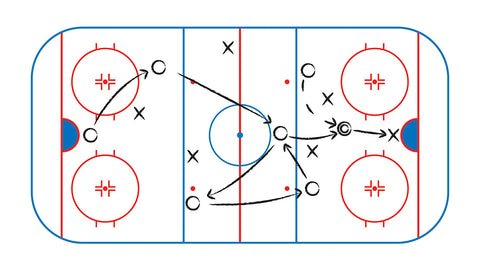
A hockey game has three periods.
Ever wondered about the structure of a hockey match? It’s a fast-paced game with specific intervals. Many new fans often ask, “how many periods does a hockey game have?” Understanding the game’s format helps you follow the action more closely. Let’s delve into the core of a hockey game’s timing.

How Many Periods Does a Hockey Game Have?
Okay, so you’re curious about how a hockey game is broken down, right? It’s not just one long play session, that’s for sure! Just like a school day has different classes, a hockey game has different parts called periods. Understanding these periods is key to understanding how the game works and why the scores change. Let’s dive in and learn all about it!
The Standard Hockey Game: Three Periods
The most common answer to “how many periods does a hockey game have?” is three. Yes, most hockey games, from your local minor league game all the way to the big leagues like the NHL (National Hockey League), are played in three separate periods. Each period is a specific amount of playing time, followed by a break. This structure gives players a chance to rest, coaches time to talk strategy, and fans time to grab a snack or use the restroom! Think of it like watching a movie with intermissions, but instead of a movie, we’ve got fast-paced action on the ice!
Length of a Regular Period
In most professional and college level hockey games, each of these three periods is 20 minutes long. However, this is pure playing time. So, when the puck goes out of bounds, someone scores, or there is a penalty, the clock stops. So, the actual time a period takes can be much longer than 20 minutes.
But wait, what about all the other levels of hockey?
Varying Period Lengths
It’s important to remember that the 20-minute period is more for adult professional hockey. In younger leagues or even in some recreational leagues, the period lengths are shorter. For example:
- Youth Hockey: Many youth leagues have periods that are just 10, 12 or 15 minutes long. This gives the players breaks that are more suitable for them. This length can depend on the age group or level of play.
- Adult Recreational Leagues: Even adult leagues that are more for fun might use shorter period lengths. The most common is around 15 minutes. This can help to keep players from getting too tired.
- High School Hockey: High school hockey usually follows the standard rules with 15 or 17 minute periods, but they can vary depending on their local association rules.
So, depending on who is playing, how long the periods will be can change. It’s good to know that this is flexible at the younger levels so everyone has a good time and can participate effectively!
Breaks Between Periods
After each period, there’s a break. These breaks are really important because they allow the players to rest and prepare for the next period. These are usually called “intermissions.” The length of intermissions can vary, but they usually last around 15 to 20 minutes.
What happens during intermissions?
During the intermission, lots of things happen. Players go to their locker rooms to:
- Rest.
- Hydrate (drink water and other sports drinks).
- Get treatment from athletic trainers if needed.
- Talk strategy with their coaches.
Meanwhile, fans might go grab something to eat, visit the restroom or maybe just discuss the game with friends. The intermission is a short break for everybody. When the intermission ends, everyone gets ready for the next period of the hockey game!
Why Three Periods?
Why not more or less periods? That is a fantastic question! Having three periods strikes a nice balance for the players. Here’s why three periods work well in a game of hockey:
- Pacing: Three periods allow the game to have a good flow. They give players enough time to play hard but also enough time to recover. A shorter game would feel too rushed, and a longer one would probably wear players out too quickly.
- Strategy: The breaks between periods allow coaches to adjust their plans based on how the game is going. This adds a fun strategic element to the game.
- Fairness: Having periods allows for more even playing opportunities. The teams switch sides after each period, so one team doesn’t get an unfair advantage due to which side of the rink they are playing on. For example, if the ice on one end of the rink is not as good as the other, the teams get to play on both sides.
- Fan Experience: The short breaks keep fans engaged without making the game too long. Fans enjoy the little break in action, giving them time to process what just happened and prepare for what comes next!
What if there’s a Tie at the End of Three Periods?
Sometimes, after three periods, the score is still tied. What happens then? Well, it depends on the type of hockey game being played!
Overtime
If a game ends in a tie during the regular season, there is an extra period called overtime, or “OT” for short. Overtime rules are different in various leagues, but often, it involves playing a sudden-death period. This means the first team to score a goal wins the game. In some leagues, if no goal is scored in a short overtime period, they proceed to a shootout. This process varies from league to league and is also dependent on the game in question, such as playoffs or regular-season games.
Shootouts
During a shootout, players from each team take turns attempting to score on the opposing goalie. This provides an exciting and quick way to determine a winner in a game if it does not end in overtime. The team that scores the most goals during the shootout wins the game.
No Overtime or Shootouts in Some Games
In certain tournament-style games or games that are not part of a league, the games may end in a tie if no goals are scored in regular time. This is not very common, but it happens sometimes depending on the style of play and the league rules.
Summary of Hockey Periods
Here’s a quick summary of what we’ve learned about hockey periods:
- Most hockey games have three periods.
- Each period in professional hockey is 20 minutes long.
- Youth hockey periods are usually shorter (10-15 minutes long).
- There are intermissions between periods.
- Intermissions allow for players to rest and for coaches to make adjustments.
- If a game is tied at the end of regulation, overtime or shootouts may follow, depending on the type of game.
Understanding these basic elements of game play makes watching hockey so much more enjoyable. Next time you watch a game, you’ll know exactly why they have breaks and how the game is structured. It’s all part of the fun! So get out there and enjoy the exciting action of hockey!
The Significance of Periods in Game Strategy
Periods aren’t just time slots on the clock; they’re crucial components that shape how teams approach the game. Each period presents a fresh opportunity and challenge, influencing strategies and player performance. Here’s a breakdown of the strategic importance of hockey periods:
First Period: Setting the Tone
The first period is all about establishing dominance. Teams come out with energy, trying to set the tone for the rest of the game. Coaches often emphasize starting strong and fast. Teams usually try to get an early goal and put pressure on the other team, forcing them to play catch up. During the first period, players are usually well rested and are trying to play as efficiently as possible, making the most out of their energy.
Second Period: Mid-Game Adjustments
By the second period, both teams have had time to assess their strengths and weaknesses, and make adjustments to their gameplay. Coaches can now see how things are shaping up and alter strategies. Teams are now starting to fatigue a little bit, so line rotations and player usage become more important, and depth becomes critical. Second periods often see increased physical play and intense battles, as both teams know they are heading into the final phase of the game.
Third Period: The Final Push
The third period is when it all comes down to the wire. Teams either are trying to hold on to a lead or trying to make a comeback. With the clock ticking down, teams go all-out, leaving it all on the ice. Strategies are more focused on scoring goals and preventing any opponent scores, as time becomes a more precious commodity. Player energy becomes an issue and coaches rely on their best players to make an impact. This is also when emotions run high, leading to intense moments and exciting conclusions.
How Period Lengths Affect Player Performance
The length of hockey periods can greatly affect how players perform throughout a game. It also affects strategy and overall pace of play.
Shorter Period Lengths
When period lengths are shorter, like in youth leagues, players tend to play at a much higher pace. This also means that coaches tend to have different game plans. Teams focus on maximizing the limited time and try to make quick scoring plays. Shorter periods are also great for younger players who cannot play as long. With the shorter period, players are able to get the most out of their time on the ice without being worn out.
Longer Period Lengths
Longer period lengths, like in professional hockey, require a different style of play. Players need to manage their energy effectively and be ready to play at a high level for longer times. This requires the players to be better conditioned and better at pacing themselves. Coaches plan line rotations strategically to ensure they use the correct players at the right time to keep their team fresh and able to perform. Games with longer periods have more opportunities for plays, passes and scoring, making for a more exciting game, but will also tax the players much more.
Evolution of Hockey Periods
Hockey period lengths haven’t always been consistent. They’ve changed over time as the game evolved. This evolution is related to several factors, including player fitness, game styles, and rules. When the game began, there were periods that were more varied in lengths. Over time, it was streamlined into something more consistent, and they have now become the staple of the sport.
Early Days of Hockey
In the early days of organized hockey, period lengths were not always uniform. Games often featured periods of varying lengths, and the number of periods was not always three. This inconsistency led to many variations in play styles and formats across the various amateur and professional leagues. It was an era of experimentation where different rules and formats were constantly being tested.
Standardization
As hockey grew more popular, there was a need for standardization. The current standard of three 20-minute periods became the norm in most professional leagues. This standardization helped to make the game easier to follow and also ensured fair play. This allowed for rules to be standardized and players to have clear expectations of how each game would be structured.
Impact of Changes
The change in period lengths has changed the style of play significantly. With longer periods, the need for player conditioning and strategical rotation became more crucial. This added to the strategic depth of the game and made it more entertaining for fans. It also created challenges for coaches to manage their player’s fitness and energy levels.
The length and number of periods in a hockey game are not arbitrary. They are the result of a blend of tradition, strategic considerations, and the evolution of the sport. The game of hockey and its format have had some important changes over the years, but the core elements still remain the same, and period lengths are a very important part of it! This gives both players and fans an enjoyable experience and the structure that is needed for the game.
How Many Periods In Ice Hockey? (Explained)
Final Thoughts
A standard hockey game consists of three periods. Each period is twenty minutes long with intermissions in between. The intermissions allow players to rest and teams to strategize.
So, how many periods does a hockey game have? The answer is three. This format provides exciting action for fans.

