
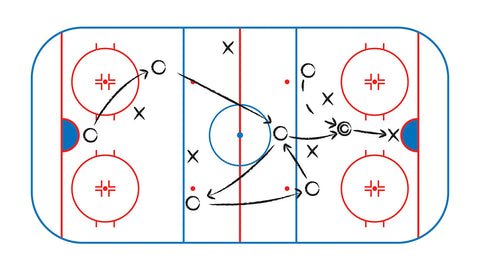
There are three periods in a hockey game.
Ever wondered how many periods in a hockey game there actually are? It’s a common question for those new to the sport or just curious about the game structure.
The standard format involves three distinct segments of play. These periods are crucial to understanding the pace and flow of the game.

How Many Periods in a Hockey Game?
Okay, let’s dive right into the heart of the matter – how many periods are in a hockey game? The simple answer is: there are three periods in a standard ice hockey game. But, just saying “three” doesn’t really tell the whole story, does it? There’s a lot more to know about these periods, how long they last, what happens between them, and what happens if the game is tied. So, let’s explore this exciting topic step-by-step!
The Standard Three-Period Structure
The core structure of a hockey game revolves around these three periods. Think of them like three acts in a play. Each period is a chance for both teams to score, defend, and show their skills. Here’s a closer look:
Length of a Standard Period
Each period in a standard professional or high-level amateur hockey game is 20 minutes long. It’s important to note that this is 20 minutes of actual playing time. When the puck isn’t in play, like during stoppages for penalties, icing, or goals, the clock stops. This means a full hockey period can take much longer than 20 minutes in real time. For example, in the NHL (National Hockey League), a period can often take 30-40 minutes to complete. In youth hockey, the period length is often shorter like 15 or 10 minutes.
Here’s a basic breakdown of the period timing:
- Actual Playing Time: 20 minutes
- Clock Management: The clock stops when play stops, which makes the real time of a period typically longer than the scheduled time.
Breaks Between Periods: Intermissions
After each period, there’s a break called an intermission. This break allows players to rest, coaches to give instructions, and the ice to be resurfaced, which makes it smooth for play in the upcoming period. The typical length of an intermission in professional leagues like the NHL is around 15-18 minutes. During this time, the players go back to their locker rooms and come out for warmups.
Here’s what you need to know about intermissions:
- Time to Rest: Players take a rest and recharge.
- Coach’s Instruction: Coaches give team instruction and make the game plan for upcoming period.
- Ice Resurfacing: The Zamboni machine resurfaces the ice for better gameplay.
- Typical Duration: About 15-18 minutes in professional hockey, but sometimes shorter in youth hockey.
What Happens If the Game is Tied After Three Periods?
Sometimes, the game score remains tied after the completion of all the three periods. Now the question arises, what happens when the game is still tied? This is where things can get interesting!
Overtime Period
If the game remains tied after the three regulation periods, the game typically moves into overtime, often called OT. In the NHL and many other professional and high-level hockey leagues, this overtime period is structured in a “sudden death” format. That means the first team to score wins the game. The overtime period is typically shorter than the regulation periods and the number of players on the ice is reduced. This increased space on the ice makes scoring a goal more likely and avoids extremely long overtime periods. For example, in the NHL, the overtime period is a 5-minute, 3-on-3 format. In other leagues, the overtime period might be 5 minutes at 4-on-4. In some minor leagues, this overtime period will be more or less different. So, you should have an idea about the overtime period in a specific league or competition.
Here’s a bit more about the Overtime:
- Sudden Death: The first team to score wins the game.
- Reduced Players: Often, there are fewer players on the ice to open up the game for scoring chances. For Example, 3-on-3 or 4-on-4 format.
- Short Duration: The overtime period is shorter than the standard periods (typically 5 minutes).
Shootouts
If the game is still tied after overtime, then some leagues employ a shootout to determine the winner. In this format, each team will select a certain number of players to take a penalty shot. The team with the most goals will win the game. In the NHL, a shootout takes place after a 5-minute overtime period if the game remains tied. Each team takes turns selecting players to take a penalty shot on the opposing goal. Each team gets an equal number of chances to score and the team with the most goals scored in the shootout wins the game. In youth or lower-level hockey, a different format is often used. For example, in some cases, the team with a single goal advantage will win the match after one or two rounds of penalty shots.
Here’s a summary of Shootouts:
- Penalty Shots: Teams select players to attempt penalty shots on the opposing goal.
- Determining the Winner: The team with the most goals in the shootout is declared the winner.
- Not All Leagues Use Shootouts: Some leagues may not use shootouts and instead will play multiple sudden-death overtime periods.
Differences in Period Length Across Various Leagues
While 20 minutes is the standard length for periods in many professional and high-level hockey leagues, it’s not a universal rule. Period lengths can differ quite a bit in different leagues or levels of play. For example, youth and recreational hockey leagues often have shorter periods to accommodate younger players or for games played on a tight time schedule. For instance, a youth game may feature 10-15 minute periods.
Here are some scenarios:
- Youth Hockey: Often shorter periods (10-15 minutes) to accommodate younger players.
- Adult Recreational Leagues: May have varying period lengths, often shorter than standard professional games.
- International Tournaments: Generally use the standard 20-minute periods, but sometimes can have different overtime formats.
Why Are There Three Periods?
You might be wondering, why exactly are there three periods? Well, it’s a tradition that has evolved over the years, but there are a few reasons behind this structure:
Historical Reasons
The three-period structure has been around for many decades, and it has simply become a standard practice in hockey. It provides a way to break the game into chunks, allowing both the players and fans to anticipate and enjoy different segments of the game. Initially, hockey games weren’t structured with periods, but as the game evolved, this format was made to allow time for breaks and proper strategies to be implemented. Now it’s part of the culture of the game.
Player Fatigue Management
Hockey is a high-intensity sport that involves lots of skating and physical exertion. Having intermissions after each 20 minute period makes it much easier for players to recharge their energy levels. The period structure is designed to allow for both physical breaks with the intermissions as well as tactical breaks for coaches to make changes to their strategies and gameplan for the upcoming period. It provides a chance to maintain the overall quality of the game without completely exhausting the players.
Strategic Planning
The intermissions between periods give coaches time to talk with their teams, review what has happened in the game, and give instructions for the upcoming period. It’s a break where both teams can re-strategize and change their gameplay. For fans, this can add to the excitement of the game. The different structure of each period or intermission can change how the teams will play during each period of the game.
How to Keep Track of Periods
Keeping track of periods during a hockey game is pretty straightforward. Most hockey rinks and televised broadcasts display the period number and the time remaining in each period, so it’s easy to keep up with what’s going on.
Here are a few ways to stay in the know:
- Scoreboard: The scoreboard shows the current period number.
- Game Clock: The clock shows how much time is left in the current period.
- TV Broadcasts: TV commentators will often announce the start of each period and the time remaining in the period.
- Mobile Apps: Many sports apps show live scores, time remaining in the game, and period numbers.
The Importance of Understanding the Period Structure
Understanding the period structure of a hockey game is important for both fans and players. As a fan, it helps you follow the flow of the game. It keeps you in the loop about when to expect breaks or strategical shifts from either team. For players and coaches, knowing how periods and intermissions work helps with managing energy, planning strategies, and maximizing performance. You should be able to plan accordingly for each period of the game. Knowing each period is 20 minutes, followed by the intermission makes it easier to understand the game overall. Understanding the format of the overtime and shootout period is equally important for players and fans alike.
Here is a quick summary for easier understanding:
| Aspect | Details |
|---|---|
| Number of Periods | 3 |
| Standard Period Length | 20 minutes of playing time |
| Intermission Length | About 15-18 minutes in pro leagues |
| Overtime | Sudden-death format, typically 5 minutes |
| Shootouts | Used if the game remains tied after overtime |
| Variations | Period lengths can vary in youth and recreational leagues |
Understanding the length of periods, intermissions, overtime, and shootout rounds is crucial for enjoying the game to its fullest. This knowledge allows you to understand not only the flow of the game but also the strategy behind each period, so you can have a better experience watching the matches. Now that you know the exact structure of a hockey game, you can be a better fan.
Hockey games, with their periods and strategic breaks, are more than just a series of fast-paced plays. They are carefully organized contests, with specific periods and strategic periods designed for the best performance from the players and the best viewing experience for fans. Understanding this structure lets you in on the rhythm of the game, making every moment more enjoyable.
How Many Periods In Ice Hockey? (Explained)
Final Thoughts
A standard hockey game features three periods. Each period lasts 20 minutes of playing time. There are intermissions between these periods, allowing players to rest.
Knowing how many periods in a hockey game is fundamental to understanding the sport. This three-period structure remains consistent across most professional and amateur levels. The game clock stops during stoppages in play, ensuring the 20-minute duration is accurate.

