
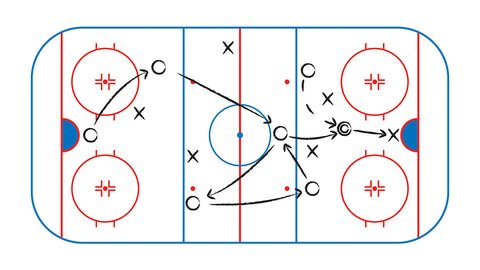
There are three periods in an NHL game.
Ever wondered about the structure of a hockey game? We often hear about exciting plays and nail-biting finishes, but how many periods in an NHL game actually make up the action? Understanding the game’s framework can improve your viewing experience.
The standard NHL game breaks down into distinct segments. Each segment offers opportunities for teams to showcase their skills and strategies. Learning about these timed segments makes the game more understandable.

How Many Periods in an NHL Game?
So, you’re curious about how an NHL (National Hockey League) game is structured? Let’s dive into the exciting world of ice hockey and explore the main component of a hockey game – the periods. You’ll quickly find out that the structure is quite straightforward once you get the hang of it.
The Standard Three Periods
The heart of every NHL game is its three main periods. Each period is 20 minutes long. However, that’s just the playing time. The clock stops when the puck goes out of play, when there’s a penalty, or during other stoppages. So, the actual time it takes to play one period is usually longer than 20 minutes, sometimes closer to 30-40 minutes!
What Happens Between Periods?
After each period, there’s an intermission. These breaks are 15-18 minutes long. It gives the players a chance to rest, regroup, and plan for the next period. The Zambonis take to the ice to resurface the ice sheet, making it smooth for the next part of the game. It’s also a great time for fans to get snacks and drinks, or to discuss the amazing plays that just occurred!
Why Three Periods?
Why does the NHL use three periods and not two, or four? Well, the three-period structure has been the standard in hockey for a long time. It’s a balance between keeping the game moving, providing adequate time for play, and giving players sufficient rest. It allows for strategic shifts and momentum changes throughout the game.
The Flow of the Game
The game’s three-period format creates a nice flow. The first period is often a feeling-out process, with teams testing each other. The second period often picks up intensity, and the third period is where teams either try to hold onto a lead or make a comeback. The intermissions allow the teams to make adjustments and keep the excitement going through the entire match. The three periods also creates the ability for a narrative within the game and this makes it more interesting for fans to watch. They’re an integral aspect of the unique pace and strategy of a hockey game.
Overtime: When Three Periods Aren’t Enough
Sometimes, after the three periods, the score is still tied. When this occurs, it is time for some thrilling overtime action. If a game is tied after three periods of play during the regular season, the teams proceed to a five-minute overtime period. This overtime period is played with only three skaters on the ice for each team, instead of the usual five, creating more open ice and more scoring opportunities.
Overtime Rules
The rules for overtime are different in the regular season compared to the playoffs. Here’s how it works:
- Regular Season: A five-minute, three-on-three sudden-death overtime period is played. The first team to score a goal wins the game. If no goal is scored in overtime, then the game proceeds to a shootout.
- Playoffs: The three-on-three overtime format isn’t used. If a playoff game is tied after regulation time, the teams play 20-minute periods of full five-on-five sudden death overtime until one team scores. This can lead to long overtime games, some of which go deep into the night!
Shootouts: A Final Decider
When a game remains tied after the five-minute overtime in the regular season, a shootout takes place. In a shootout, each team takes turns sending players to skate in on the goalie for a one-on-one shot. The team that scores the most goals after a set number of rounds wins the game. This adds excitement and brings the game to a decisive conclusion. The shootout never happens in playoffs, instead they play sudden death periods until there’s a winner.
How a Shootout Works
Here’s a breakdown of the shootout process:
- Both teams select three shooters.
- Players from each team alternate taking shots on goal.
- If the score remains tied after three rounds, the shootout goes to sudden death, where one team has to score to win the game.
- Each team picks another shooter, and they keep alternating until there is a winner.
Key Takeaways
Let’s recap the main points about the number of periods in an NHL game:
- Every NHL game is made up of three 20-minute periods.
- There is a 15-18 minute intermission between each period.
- If the score is tied after three periods, there is a five minute, three-on-three overtime period in the regular season.
- If the score remains tied in the regular season after overtime, the game goes to a shootout.
- In the playoffs, sudden death overtime is played until there is a winner.
Understanding Time in Hockey
It is essential to understand how time works in a hockey game. The clock doesn’t simply run continuously like in other sports. The clock will stop in any of the following scenarios:
- When the puck goes out of bounds
- After a penalty has been called
- After a goal has been scored
- During a timeout
Because the clock will stop whenever the puck leaves the play, the time that passes in a game is significantly longer than 60 minutes. The three-period structure and intermissions allow for a dynamic and exciting viewing experience for fans, while also giving the players some time to recuperate.
The Importance of Structure
The three-period structure isn’t just a tradition, it’s key to how the game is played. This format provides a framework for different game strategies, and coaches may approach each period with a different tactic.
Strategic Approaches
Here are a few examples of how coaches strategically approach each period:
- First Period: Teams often focus on establishing their game plan, testing opponent’s strengths and weaknesses, and trying to score early to establish dominance. They want to get a feel for the game.
- Second Period: Coaches often push their team harder in the second period and try to establish more offensive attacks. Teams will adjust to whatever happened in the first period.
- Third Period: If a team has a lead, they will play more defensively to protect that lead. If a team is losing, they will often come out with more offensive pressure. The third period is often where the most game changing plays will happen.
The Evolution of Game Length
Although the basic structure of three periods has remained constant for many years, other rules have evolved throughout the history of the NHL. There were once two 30-minute halves instead of three periods, but the shift to three periods led to better flow and more compelling games. The three-period system has become the norm, and overtime was introduced to have a winner for all games.
Why These Rules are Important
These rules surrounding periods, intermissions, and overtime all enhance the game of hockey. It wouldn’t be the same without the unique structure the NHL uses. The regular season and playoffs use different overtime rules, and this adds to the excitement and drama of watching NHL games. It makes each game unpredictable and keeps us entertained for the duration of the match.
Understanding Hockey Lingo
Knowing some basic hockey terms can make watching a game a lot more fun! Here are a few terms related to periods and game timing:
- Regulation Time: The three 20-minute periods of a hockey game.
- Intermission: The break between each period.
- Power Play: A team has a power play when their opponents have committed a penalty.
- Penalty Kill: A team is on a penalty kill when they are short a player due to a penalty.
- Sudden Death: An overtime period where the game ends as soon as one team scores.
- Shootout: A series of penalty shots to decide the winner of a game tied after overtime (regular season only).
The Fan Experience
The structure of an NHL game directly impacts the fan experience. The three periods give fans three opportunities to experience different types of game play. The intensity builds as the game goes on. The intermissions allow fans to get food, socialize, and prepare for the next period. Overtime and shootouts can be some of the most memorable moments for fans, who are hanging on the edge of their seats as the end of the match comes to a close. The game is structured to be as entertaining as possible for everyone.
Variations in Other Leagues
While the NHL uses the three-period format, it is important to note that not all hockey leagues use the same format. For example, youth and minor hockey leagues may have shorter periods or variations in overtime rules. This keeps the games shorter and helps younger players to stay safe and healthy while they play.
Understanding how the time and periods work in an NHL game is fundamental to appreciating the game’s nuances and excitement. From the strategic approaches teams take each period to the heart-stopping moments of overtime, the structure contributes a lot to the flow of the match. The standard three-period format, paired with intermissions and overtime rules, creates the basis for a game that is both strategic and extremely entertaining. Hopefully, this explanation has given you a better sense of the structure of an NHL game.
How Many Periods In NHL? – The Winter Sport Xpert
Final Thoughts
An NHL game consists of three 20-minute periods. These periods are separated by intermissions, offering players time to rest and strategize. If the score is tied after three periods, the game proceeds to overtime.
The question of ‘how many periods in nhl game’ is simple, it is always three. Understanding this format is crucial for fans. Play continues until a goal is scored.

