
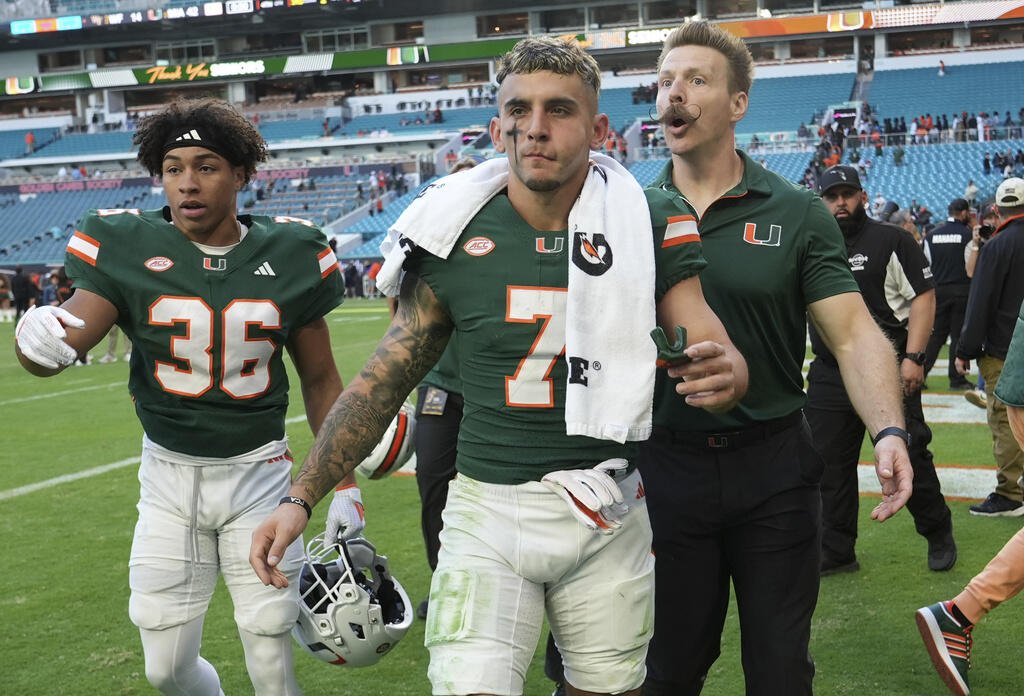
Typically, 70 to 80 players dress for a college football game, though the exact number can vary slightly by team and conference rules.
Ever wondered about the sheer scale of a college football game? It’s not just the players you see on the field; there’s a whole squad ready to go. The question of how many players dress for a college football game often pops up for fans curious about roster sizes.
Knowing this number provides a deeper appreciation for the strategy and preparation involved. It goes beyond the starting lineup and demonstrates how many individuals contribute to the team’s effort during any given game day.

How Many Players Dress for a College Football Game?
Ever wondered how many players you see standing on the sidelines during a big college football game? It’s not as simple as having everyone on the team suit up! There’s a strategy to it, and the number can change based on the rules and the team’s specific plans. Let’s dive into the details of which players get to wear their jerseys and get ready to play on game day.
The Basic Roster Size
College football teams are large! You’ll find that most teams have well over 100 players on their roster. This includes everyone from the star quarterback to the third-string special teams player, and even players who are taking a redshirt year. However, not all these players will dress for a game.
The Game Day Limit
The rules for how many players can dress for a college football game are pretty standard across the NCAA (National Collegiate Athletic Association). Usually, a team can only have around 70 to 80 players dressed and ready to play on the field. This means coaches have to make tough choices about who makes the cut each week. These numbers are for the big division I games. For other divisions, like division II and division III, the numbers might be smaller. But still, not everyone gets to put on that jersey and helmet.
Why Not Dress Everyone?
You might be thinking, “Why not just let everyone dress?” There are some good reasons why this isn’t the case. It’s not just about being fair to all players.
Safety First
Having too many players on the sidelines can make it crowded and dangerous. It can be hard for players to move around safely, especially during a fast-paced game. Imagine trying to run off the field when there are too many players standing around; it could lead to collisions and injuries. Limiting the number of dressed players helps keep everyone on the sideline safe.
Logistical Challenges
Think about all the equipment for each player: helmets, shoulder pads, jerseys, pants, and more! Managing this much equipment for a huge roster becomes a big job. Having fewer players dressed makes it much easier for the equipment managers. It also helps make sure every player who is dressed gets what they need and doesn’t have any problems with their gear. It also helps to keep things organized.
Strategic Decisions
Coaches choose which players dress for a game based on the game plan for that week. Sometimes they might need more defensive players, or perhaps they need a lot of skilled receivers. The coach and their staff will analyze the opponent, and decide which players they need to have dressed, and ready to play. This means that the number of dressed players may differ based on who they are playing against. For example, if a team is playing against a team that runs a lot, they might want to have more defensive players available.
Who Gets to Dress?
So, how do coaches decide which players make the cut for game day? Here’s a look at some common factors:
Starting Lineup
The starting players are always guaranteed a spot in the game. These are the players who will begin the game in their respective positions. If you’re a starter, it’s a given that you’ll be in your uniform, and ready to go when the whistle blows.
Key Backup Players
Backups are also very important. These players are ready to take the field if a starter gets injured or needs a break. These are the next players in line, and often get opportunities to play in a game. They are the players who need to be dressed and ready to play, at any time.
Special Teams
Special teams are the group of players who are involved in kicking plays such as field goals, punts and kickoffs. These players are extremely important and must be dressed for the game. They have very specific roles to fill, and you’ll always see them ready to play.
Developmental Players
Some players are on the roster for the future, and that may not see a lot of action in games. These are players who are developing their skills and may only get a chance to play in a game towards the end, if their team is far ahead, or far behind. They may also be players who are sitting out a year, which is known as a redshirt year. These players may not always get to dress for a game, but are very important to the program.
Practice Performance
Coaches keep a close eye on how players practice during the week. Players who work hard and show they’re ready to play often get the chance to dress on game day. Practicing hard and being ready is how some players can work their way up, and earn a spot on the list of players to be dressed.
Injury Status
Of course, injured players can’t dress for a game. They need time to heal and get back to their best. Being injured keeps you off the active list, but they are still a part of the team, and will continue to practice and do what they can to get back onto the field.
The Dress List
The dress list, which is the list of players who will be dressed for the game, is usually determined sometime before the game. For some games this is determined late in the week, other games it may be determined earlier. Here are some things to know about this list.
Who Creates the List?
It’s usually the head coach, or the coaching staff who make the list. It is a group effort, where the coaches will review their roster, review their game plan, and decide which players will help them win the game. The head coach has the final say on the roster for game day.
What Time is the List Announced?
The dress list is not announced publicly, but players will usually find out in the days leading up to the game. Some coaches will make sure the player knows earlier, so they can prepare for the game. Others may wait till the day before, or day of the game to let the player know.
Can the List Change?
While the list is usually pretty set, things can change. If a player gets injured during warmups, or gets sick, a coach may have to choose another player to dress. These types of changes are rare, but can sometimes happen before a game. The list can change as a need arises.
The Impact of the Dressed List
Being on the dress list is a big deal for college football players. Here’s what it means to them:
Opportunity to Play
Being dressed for the game means a player has the chance to get in the game and make a difference. It’s an opportunity to show what they can do on the field and help their team win.
Team Experience
Being dressed allows a player to be on the sidelines and experience the game from up close. They get to be part of the action, even if they don’t play every snap of the game.
Motivation and Improvement
If a player didn’t make the dress list this week, it’s a chance for them to work harder in practice and improve their game. It can be a motivator, so they can earn the chance to dress for a game next week.
Other Factors to Consider
Travel Rosters
When teams travel for away games, the number of players they bring along might be slightly different from the number that dress. A traveling roster might include a few extra players for emergencies or practice, but the number that dress for the game is still limited. Usually these extra players will travel, and not dress for the game.
Conference Rules
While the NCAA sets most of the rules, sometimes a specific conference might have its own guidelines on dress lists. For the most part, the rules are the same across different conferences, and not many conferences will have different rules.
Bowl Games and Playoffs
The rules for how many players dress are the same for bowl games and the playoffs. The amount of players to dress is similar to any other regular season game. There will still be a limit on how many players each team can have dressed for the bowl games and playoffs.
Table of Dressed Players (Example)
| Type of Player | Likelihood to Dress |
|---|---|
| Starting Players | Almost Always |
| Key Backup Players | Very Likely |
| Special Teams Players | Very Likely |
| Developmental Players | Sometimes |
| Injured Players | Almost Never |
The number of players who dress for a college football game is around 70 to 80 players, and is limited by the NCAA rules. This keeps players safe, makes it easier to manage equipment, and adds strategy to the game. Being on the dress list is an honor for any player, and it shows all their hard work and dedication to their team.
How many players dress at a college football game?
Final Thoughts
Typically, around 70 to 80 players dress for a college football game. This number can vary slightly depending on specific team policies. It also depends on NCAA regulations.
The active roster, however, is much larger. These players are available for practice and other team activities. But, how many players dress for a college football game remains capped at the designated number.

