
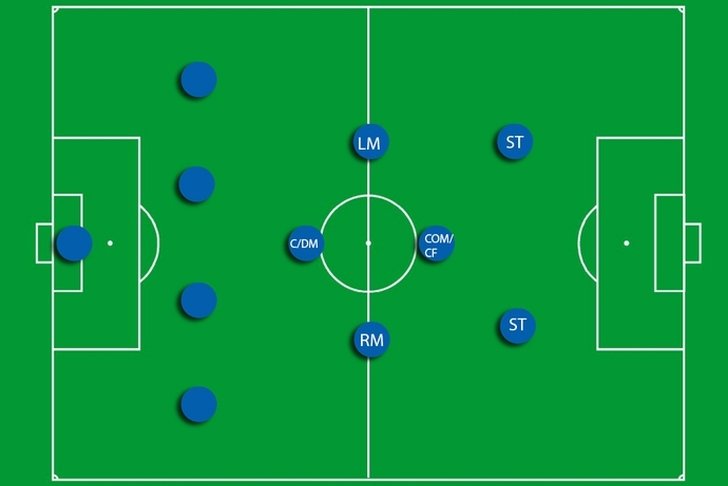
There are 11 players on each team in a soccer game, along with substitutes.
Ever wondered about the magic behind a soccer match? A key element of the game involves the number of athletes taking the field. Understanding how many players in a soccer game is essential for comprehending the sport’s dynamics and rules.
Each team fields eleven players simultaneously. Plus, each team has substitutes ready to enter the game. The strategic use of these substitutes plays a significant role in team performance.

How Many Players in a Soccer Game
Let’s dive right into the heart of soccer: the players! A standard soccer game, the kind you see in the World Cup or your local park, has a specific number of players on the field for each team. This number isn’t just random; it’s a rule that makes the game fair and exciting. So, how many players are we talking about? The answer is 11 players on each team. That’s right, 11 versus 11, battling it out on the green field.
The Starting Lineup: The Core of a Soccer Team
Now that we know the magic number is 11, let’s talk about what these players do. Each of the 11 players has a job to do, a position they play that contributes to the team’s overall strategy. Think of it like a puzzle; each piece fits in a specific place to make the whole picture complete. We have:
- Goalkeeper: This player is the last line of defense and the only player allowed to use their hands within a special area called the penalty box. They’re like the guardians of the goal!
- Defenders: These players are primarily focused on stopping the other team from scoring. They’re like the team’s protectors, standing between the other team and the goal.
- Midfielders: These players are the workhorses of the team. They play both offense and defense, passing the ball and controlling the flow of the game. Think of them as the connectors of the team.
- Forwards (or Strikers): These are the players who aim to score goals. They’re usually fast and good at getting the ball into the net. They’re like the finishers of the team.
While these are the basic positions, there are many variations depending on the team’s strategy and how the coach wants them to play. But every single player has one goal: to help their team win the match!
Substitutions: Bringing Fresh Legs into the Game
The game of soccer is 90 minutes long (not counting added time!), and that’s a lot of running! So, teams are allowed to make substitutions during the game. This is when a player who’s on the bench (not playing) comes onto the field to replace a player who’s already playing. Substitutions allow teams to keep their players fresh and adjust their tactics during the match. Think of them as changing parts of the machine while it’s running to make it work better.
How Many Substitutes Are Allowed?
The number of substitutes allowed can change depending on the specific soccer league or tournament. In most professional matches, teams are allowed to use 3 to 5 substitutes. But in some youth games or friendly matches, a team might be allowed to make more substitutions. The important thing is that the number is agreed upon before the start of the game so it is fair to all.
Why Teams Make Substitutions
Teams use substitutions for many reasons. Sometimes, a player gets tired or injured, and needs to come off the field. Other times, a coach might want to change tactics, and bring on a player who is better suited to what the team needs at that particular moment in the match. Substitutions are important for giving the team fresh energy and new ideas during a soccer game.
The Referee and Assistant Referees: The Unseen Players
While they’re not on either team, referees and assistant referees are super important to a fair soccer game. These individuals are the enforcers of the rules, making sure everyone plays fair and by the book. Without them, there would be chaos!
The Main Referee
The main referee is the person in the middle of the field who runs up and down with the players and is in charge of the game. They make sure the game goes smoothly, enforce the rules, and keep things fair. Think of them as the judge in a game.
Assistant Referees
Usually there are two assistant referees who help the main referee. They stay on the sidelines and call out when the ball goes out of play, if someone is offside, and if any fouls occur when the referee is not close to the play. Think of them as the extra sets of eyes on the field.
Variations in Player Numbers
While the standard soccer game is 11 vs 11, you might find variations in player numbers depending on the situation. Let’s explore some of them:
Small-Sided Soccer: Less Players, Just as Fun!
For younger kids, sometimes the field is too big for 22 players! So, they often play small-sided soccer, with 7 players, 9 players or even fewer on each team. This is a great way for younger kids to learn the game. They get more chances to touch the ball and run around. When the field and number of players are smaller, it’s easier for kids to develop their skills.
Key Benefits of Small-Sided Games:
- More time with the ball: Players get more touches, leading to better skill development.
- More involvement: Less running is required in each match, allowing players to focus more on the game.
- Faster learning: The smaller scale helps children grasp the game and its rules quickly.
Indoor Soccer: A Fast-Paced Game
Indoor soccer, also known as futsal, is usually played with only 5 players on each team. It’s a fast-paced game played on a smaller, hard surface. Because the space is smaller, the game is more about quick passes and fancy footwork. Think of it as soccer in a box!
Key Aspects of Indoor Soccer:
- Small teams: Typically, five players per side, fostering more individual play.
- Hard court surface: A different experience from grass fields, promoting technical skills.
- Faster pace: Due to the confined area, the game is quick and action-packed.
Beach Soccer: Fun in the Sand
Beach soccer is played on sand and has 5 players on each team. Playing on sand is much more difficult than playing on grass. Players need to be super fit and have good ball control. Its usually a lot of fun to play or to watch!
Key Features of Beach Soccer:
- Sand surface: Makes ball control trickier and the game more athletic.
- Five players: Enables constant movement and involvement in the play.
- High scoring: Because of the unpredictable bounce of the ball, high scores are not unusual.
Informal Games: Play with As Many as You Want
If you’re just playing a friendly game in your backyard or at the park, you can play with as many people as you want. There are no rules for player numbers in a casual pickup game. It’s all about having fun!
The Importance of Team Size
The 11-player team size is carefully chosen because it helps the game be exciting, strategic, and fair. It’s enough players to allow for lots of different tactics and positions, but not so many that it becomes chaotic. The set amount of players makes it a team sport with lots of cooperation, where all the players have their own jobs to do. It also gives the game its own distinct flow that we see each time we watch it.
The Roles Within the Team
Understanding the different player roles is also very important when thinking about how many players are in a soccer game. Each role contributes to the team’s overall goal: to score more goals than the other team. Let’s delve deeper into those roles:
Goalkeeper: The Last Line of Defense
The goalkeeper, often nicknamed “keeper”, is a crucial part of the team. They are in charge of saving goals and must be alert at all times. Goalkeepers can use their hands inside their penalty area. It is a big job, and they wear a different jersey to set them apart from the rest of the players.
Key Responsibilities of a Goalkeeper:
- Saving Shots: Their main job is to prevent the other team from scoring by blocking shots.
- Organizing the Defense: They often call out instructions to the defenders, helping them to protect the goal.
- Distributing the Ball: After a save, they start their team’s attack by passing or throwing the ball to a teammate.
Defenders: Protecting the Goal
Defenders are crucial in stopping the other team’s attacks and defending their own goal. There are different types of defenders, like center backs, who protect the middle of the goal, and fullbacks who cover the sides. Their aim is to stop the other team getting near to their own goal!
Key Responsibilities of Defenders:
- Tackling: Taking the ball away from the other team’s players.
- Interceptions: Stealing passes and making it harder for the other team to attack.
- Clearing the Ball: Moving the ball away from their own team’s goal so there’s no danger.
Midfielders: The Link Between Defense and Attack
Midfielders are the versatile players who connect defense and attack. They play both offense and defense, they must have a lot of stamina. They must also have great technique. They are like the engine of the team, working hard to keep the ball moving and control the flow of the game.
Key Responsibilities of Midfielders:
- Passing: Creating opportunities for the forwards to score.
- Tackling and Interceptions: Winning the ball back when their team loses it.
- Transitioning Play: Helping the team move from defense to attack.
Forwards (or Strikers): Scoring the Goals
Forwards are at the front of the team and their main goal is to score goals. They need to be quick, have great ball control and have good vision for the game. They are the ones who usually get the crowd excited!
Key Responsibilities of Forwards:
- Shooting: Trying to score goals.
- Dribbling: Moving the ball with skill to get past defenders.
- Creating Space: Making space for other players and making it harder for the defense.
How Many Players Are On A Soccer Team – sports blog
Final Thoughts
A standard soccer match features two teams. Each team fields eleven players on the field at any given time. This includes ten outfield players and one goalkeeper.
Substitutions happen during the game as well. These players can change the dynamics of a match.
Therefore, the answer to ‘how many players in soccer game’ is eleven players per team on the field at once. This number creates the game’s structure.

