
There are four quarters in a basketball game.
Ever wondered about the structure of a basketball game? You watch the players running up and down the court, making incredible shots, but the game unfolds in segments. Knowing how many segments make up the whole is key to understanding the flow.
It’s a common question for new fans, and even some seasoned ones might need a refresher. We are here to answer the simple question of how many quarters are in a basketball game. The game divides into these periods to break up the action and allow for strategic timeouts.

How Many Quarters Are in a Basketball Game?
Okay, let’s dive deep into the world of basketball and get to the heart of the matter: how many quarters make up a game? It’s a simple question, but understanding the structure of a basketball game is really important whether you’re a player, a coach, or just a big fan sitting in the stands. Think of it like this: a basketball game is divided into equal periods, just like a story has chapters. These periods are called quarters.
The Basics of Basketball Quarters
In most standard basketball games, there are four quarters. That’s right, four! Each quarter is a set amount of time, and the game clock starts at the beginning of the first quarter and runs down until the end of each quarter, stopping between them for breaks. The team with the most points when all four quarters are done wins the game. It’s really that straightforward.
So, now we know that a typical basketball game has four quarters. But just knowing that there are four quarters isn’t the whole story. Let’s look into the details.
Duration of Each Quarter
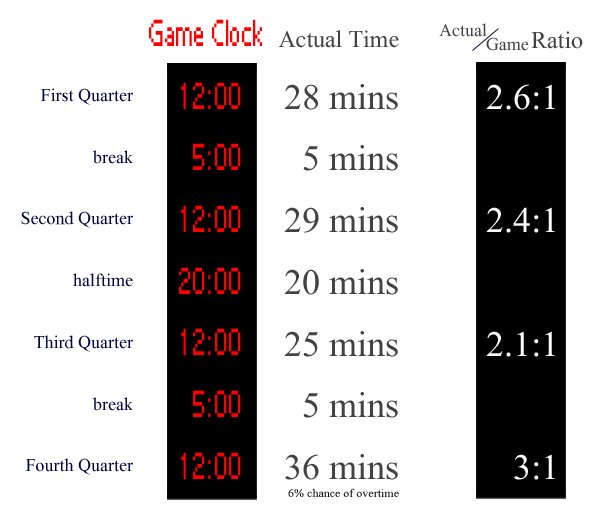
How long each quarter lasts can vary depending on the league and level of play. For example, the NBA, which is the top professional basketball league in the USA, uses 12-minute quarters. This means a full game of regulation time lasts for 48 minutes of play. When you watch an NBA game, each of those four 12-minute sections is really important!
But not all basketball games follow this 12-minute quarter standard. Many other leagues, especially at the college and high school levels, opt for shorter quarters. So, how long is a quarter at different levels? Let’s take a closer look.
NBA Quarter Length
As we’ve discussed, the National Basketball Association (NBA) plays with 12-minute quarters. This long quarter length often leads to exciting plays and changes of game momentum, offering more time for teams to make comebacks and for strategies to develop.
- Each quarter is 12 minutes long.
- Total regulation time is 48 minutes (12 minutes x 4 quarters).
- There are short breaks between the quarters.
WNBA Quarter Length
The Women’s National Basketball Association (WNBA) also uses 10-minute quarters, resulting in a total of 40 minutes of play in regulation time. This difference in time compared to the NBA may affect gameplay, strategy and the overall flow of the game.
- Each quarter is 10 minutes long.
- Total regulation time is 40 minutes (10 minutes x 4 quarters).
- There are breaks between the quarters.
NCAA Quarter Length
College basketball, overseen by the National Collegiate Athletic Association (NCAA), plays two halves instead of four quarters. However, the NCAA Women’s basketball is an exception to this and follows the same four quarter rule. Let’s break down both formats.
NCAA Men’s Basketball
Men’s NCAA basketball games are divided into two 20-minute halves, not four quarters. This different format affects how teams approach the game, with fewer breaks in the action compared to four quarter games.
- Games are divided into two halves instead of quarters.
- Each half is 20 minutes long.
- Total regulation time is 40 minutes (20 minutes x 2 halves).
- There is a half time break.
NCAA Women’s Basketball
In contrast to their male counterparts, women’s NCAA basketball games feature the same four-quarter format as in the NBA and WNBA, each lasting 10 minutes.
- Each quarter is 10 minutes long.
- Total regulation time is 40 minutes (10 minutes x 4 quarters).
- There are breaks between the quarters.
High School Quarter Length
At the high school level, game quarter duration is generally shorter than in professional or college leagues. The exact length can differ by state and rules but often they use 8-minute quarters.
- Each quarter is typically 8 minutes long.
- Total regulation time is 32 minutes (8 minutes x 4 quarters).
- Breaks occur between the quarters.
Youth Basketball Quarter Length
For younger players, the quarters are even shorter to match their endurance and attention spans. Quarter lengths in youth leagues can vary significantly depending on the age of the players and the rules set by the specific league. Often they will be around 6 or even 4 minutes in length.
- Quarters can range from 4 to 6 minutes long.
- Total playing time is less than professional and college.
- It ensures kids have fun and can play safely.
Why Are There Quarters in Basketball?
You might be wondering why basketball games are divided into quarters at all. There are several good reasons. Primarily, quarters allow players to rest and recover, ensuring they play at their best throughout the entire game. It’s also important for coaches to strategize during these breaks and make adjustments to their game plans.
Quarters also make games more exciting for viewers. The brief pauses allow for game analysis, updates, and advertisements. So, dividing the game into quarters helps to create a better viewing experience overall.
Breaks Between Quarters
Just as important as the quarters themselves are the breaks between them. These breaks are not just for show. They have a very specific purpose.
Short Break Between First and Second and Third and Fourth Quarter
The break between the first and second quarters, as well as the break between the third and fourth quarters are brief, usually around 2 minutes long. These quick timeouts allow players to catch their breath and give coaches a moment to make some quick adjustments to their game plan. They also allow the teams to change sides of the court.
Halftime Break
Halftime comes after the second quarter is done. This is a longer break, lasting around 15 minutes in the NBA, and usually a bit shorter at other levels of play. Halftime allows players more time to rest, coaches to meet with the team and develop new strategies, and fans to grab snacks. Halftime provides a valuable opportunity to regroup before the second half of the game.
Impact of Quarters on Game Strategy
The way basketball is divided into quarters affects game strategies. Coaches must plan for the short and long breaks, managing player fatigue and making in-game adjustments based on what they see happening on the court. Each quarter becomes a kind of mini-game in the larger contest. Here are some specific aspects how coaches and players think around the quarter breaks.
- Pacing the Players: Coaches use quarters to manage their players. They might have key players play less during the first few quarters, keeping them rested for crunch time in the 4th quarter.
- Adjusting the Play: Quarters allow coaches to change their tactics if the game isn’t going their way. They can modify their offense, change their defensive formations, or switch players in and out.
- Momentum Swings: The quarters give opportunities for teams to reset and regain control if they’ve lost momentum. The breaks help reduce the chance of a huge run by the other team.
- Making substitutions: Quarters allow coaches to strategically make substitutions to manage player fatigue.
Why Different Quarter Lengths?
As you can see there are differences in quarter length across different basketball leagues. So why don’t all leagues use the same length? Here are the main reasons:
- Professional leagues, like the NBA, use longer quarters for highly skilled and conditioned athletes. These players are able to maintain a high level of play for longer durations.
- Lower levels, such as youth and high school basketball, use shorter quarters as kids are still developing their stamina. Longer quarters would lead to players getting overly tired and could increase the risk of injury.
- College basketball uses halves to give it a different feel compared to other levels of play, focusing on longer periods of play and overall endurance.
- Each league’s length of the quarter is part of the game’s identity and culture.
Overtime in Basketball
What happens if a game is tied at the end of all four quarters? The game doesn’t just end! Instead, it goes to overtime. Overtime periods are like extra quarters but are usually shorter than regular quarters. The length of the overtime period varies from league to league, but often it will be 5 minutes. If the game is still tied after the first overtime, the teams will continue to play additional overtime periods until a winner is determined.
- Overtime is played if the score is tied at the end of the fourth quarter.
- Overtime periods are shorter than standard quarters.
- Play continues until a winner is determined.
The Significance of Quarters in Basketball Culture
The division of a basketball game into quarters is more than just a rule; it’s a fundamental part of the game’s culture. The term “fourth-quarter comeback” is used widely in basketball and sports in general, referring to a team making a big push at the end of a game to secure a win. Knowing about quarters is a key part of understanding basketball and it’s one of the first things new fans and players will learn.
The concept of the quarters also highlights the importance of pacing, strategy, and making game-time adjustments. Whether it’s a professional NBA player or a kid on the local court, understanding the role of quarters in basketball is a key part of appreciating the game.
So there you have it, a detailed look at the role of quarters in basketball. From the time each quarter lasts to how it affects the game, you should now be an expert on the structure of a basketball game!
How Long Are Quarters in an NBA Game? – The Basketball Xpert
Final Thoughts
A basketball game features four distinct periods. Each quarter provides opportunities for scoring and strategic plays. This consistent structure applies to most professional and collegiate levels.
Therefore, how many quarters are in a basketball game? The answer is always four. Knowing this allows viewers to better follow the game’s progression and understand key moments.

