
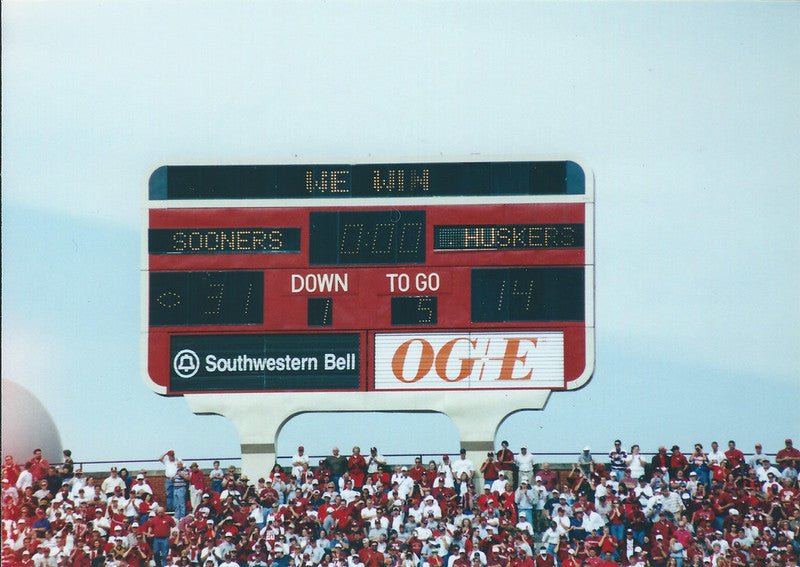
There are four quarters in a standard game.
Ever wondered about the structure of your favorite sports? Thinking specifically about how many quarters are in a game, like basketball or American football? It’s a pretty straightforward question with a consistent answer.
Most commonly, these games divide their playing time into four equal segments. This format allows for strategic breaks and makes the experience more engaging for both players and spectators.

How Many Quarters Are in a Game?
Okay, let’s dive into the exciting world of sports and figure out just how many quarters make up a game! You might have heard the term “quarters” when talking about different sports, but it’s not the same for every single game out there. Knowing how many quarters are in a game is super helpful for understanding how the game is played and how the time is divided up. So, let’s explore this topic and learn all about it!
The Classic Four Quarters: Basketball and American Football
When most people think about quarters in sports, they often think of basketball and American football. Both of these popular sports use a four-quarter system. This means that the game is split into four equal parts. This division helps the game flow nicely, provides opportunities for timeouts, and keeps things interesting for both the players and the viewers.
Basketball Quarters: A Closer Look
In basketball, a standard game is divided into four quarters. Each quarter is 10 minutes long in FIBA rules (the rules used in most international competitions) and 12 minutes long in the NBA (the National Basketball Association). So, the length of each quarter depends on the league or organization in which the basketball game is played. In high school and college games, the length of each quarter can be different as well. Let’s break it down for a better understanding:
- NBA: Four 12-minute quarters, totaling 48 minutes of play time.
- FIBA (International): Four 10-minute quarters, totaling 40 minutes of play time.
- High School and College: These can vary based on specific regulations, usually 8-10 minutes each.
Between the second and third quarters, there’s a longer break called halftime, where teams get to rest, coaches can talk to the players, and often fans can enjoy some entertainment. This break is crucial for the game’s rhythm. In between the first and second quarter, and the third and fourth quarter, there is also a short break. Knowing how the game is divided into quarters gives you a better picture of how much time is left for your favorite team to make a comeback or score more points!
American Football Quarters: Understanding the Game
Similar to basketball, American football games are also divided into four quarters. In the National Football League (NFL), each quarter is 15 minutes long. This adds up to a total of 60 minutes of playing time, excluding timeouts and other stoppages. However, the game clock doesn’t run continuously, it stops for incomplete passes, penalties, and when players go out of bounds. This means that an actual football game can take over three hours to complete from start to finish. Here is a breakdown:
- NFL: Four 15-minute quarters, totaling 60 minutes of play time.
- High School Football: Four 12-minute quarters, for a total of 48 minutes of play time.
- College Football: Four 15-minute quarters, totaling 60 minutes of play time.
Like in basketball, there is a halftime break between the second and third quarters. In American football, the halftime is a longer break that is usually 12 to 15 minutes. This break gives players an opportunity to rest and coaches to adjust strategies. This breakdown of the time into quarters keeps the game flowing and allows for exciting plays and moments!
Beyond Four Quarters: Hockey and Other Sports
While basketball and American football use quarters, it’s essential to know that not every sport uses this format. Some sports have periods instead of quarters. Let’s look at hockey and understand how their periods work.
Ice Hockey: Periods Instead of Quarters
In ice hockey, games are divided into periods, not quarters. A typical hockey game is made up of three 20-minute periods. The game clock in hockey is also stopped in some cases just like in football, meaning that the length of the game from start to finish usually takes more than two hours. Here is the breakdown:
- Standard Hockey Game: Three 20-minute periods.
There are short intermissions between each period that allow the players to rest and strategize. It’s crucial to remember that hockey games don’t have quarters; they are period-based, which is an essential difference between hockey and other team sports like basketball and American football.
Other Sports and Their Timing Systems
Many other sports have their own unique ways of dividing up the game time. These divisions are necessary for the flow of the game and for the overall structure. Let’s check out some other sports:
- Soccer: Soccer games are typically divided into two 45-minute halves. There is a short break in between these two halves called half-time.
- Baseball: Baseball doesn’t use quarters or periods. Instead, it uses innings. There are nine innings in a standard game, and each inning has two parts: the top half and the bottom half.
- Lacrosse: Lacrosse games often have four quarters. However, the lengths of these quarters can vary according to the level of play, such as youth, high school, college, or professional.
- Volleyball: Volleyball games use sets, and a team typically needs to win three sets to win the game. Each set is played until a team reaches a certain number of points.
Each sport is unique, and understanding its specific timing structure helps you to follow along and appreciate it more fully.
Why Use Quarters or Periods?
The division of games into quarters, periods, or other segments is essential for many reasons. These divisions are not just random; they are carefully designed to provide structure, fairness, and strategy to the sports.
Breaks and Strategy
One of the main benefits of having quarters or periods is the breaks they provide. These breaks give players a chance to rest, get hydrated, and listen to instructions from their coaches. During these pauses, coaches can adjust their strategies to improve their team’s game. For example, if a basketball team is losing, the coach can decide to switch up the plays and make changes to the lineup. These breaks are very important in helping players to perform at their best.
Managing Time and Pace
Quarters and periods help manage the time and pace of the game. By dividing the game into sections, the flow becomes more structured. This can lead to more strategic play. For example, in the final quarter of a basketball game, a team might slow down the pace if they have a lead in order to run out the clock. Similarly, in football, a team might focus on running the ball in the final quarter rather than passing. The division of time allows for interesting and strategic gameplay that might be missing if the game was played in a single block of time.
Enhanced Viewing Experience
Quarters and periods enhance the viewing experience for fans. They break up the game into smaller, easier-to-follow sections. The breaks between quarters or periods provide moments of excitement and build anticipation for what is coming next. It gives fans time to discuss what they have just seen and what they think is going to happen next in the game. This structure keeps fans engaged and makes the game more entertaining to watch.
How Knowing the Quarter System Can Help You
Understanding how many quarters are in a game or how periods work for a specific sport can make a big difference in how you enjoy the game. Here’s how it helps:
Following the Game
Knowing how many quarters or periods a game has allows you to follow along more closely. You’ll know how far along the game is and how much time is left, letting you to predict what might happen next. For instance, if you know that there are only three minutes left in the fourth quarter of a basketball game, you know it’s crunch time, and any team can make a big play to change the momentum of the game.
Understanding the Flow
Understanding how games are divided helps you grasp the flow of the game. You will know why there are breaks and when teams might change strategies. This helps you better understand the game’s development and enjoy the strategic aspects of each sport. Knowing when a game might become fast or slow can make watching it more enjoyable.
Talking With Other Fans
When you understand the quarter or period system, you can participate more effectively in discussions with other sports fans. You can talk about the strategy of the team or what you think is going to happen next with more authority, letting you discuss the game in more detail. This makes the experience of being a fan of a sport much more engaging and fun.
Quarters in Different Levels of Play
It’s also important to note that the number of quarters and the time for each quarter can change depending on the level of play. This is especially true for youth sports. For instance, a youth basketball game is unlikely to have four 12-minute quarters like an NBA game. Instead, youth games may have shorter quarters or different game time formats. Here are some common variations:
- Youth Sports: Often have shorter quarters to match the attention span and skill levels of young players.
- High School Sports: Usually have slightly shorter quarters than professional or college-level games.
- Professional Sports: Have the standard quarter or period length for each sport, as set by their governing bodies.
Understanding these differences ensures you know how a specific game works, depending on the level of play that is being seen. Remember, it’s important to know the specific league rules to keep up with how a game is played.
So, that’s a good overview of how many quarters are in a game and how the concept of quarters or periods works. While basketball and American football use the four-quarter structure that is very common, sports like hockey have three periods, and sports like baseball use innings. Understanding the differences in how games are structured makes watching and enjoying them much more fun. Knowing the length and times of these segments will help you become a more informed and engaging sports fan!
How Many Quarters Are in an NFL Game? – The Football Xpert
Final Thoughts
A standard game consists of four periods. These periods are called quarters. Each quarter provides a chance for teams to score.
Therefore, the answer to the question, how many quarters are in a game, is four. This structure remains consistent across most leagues.

