
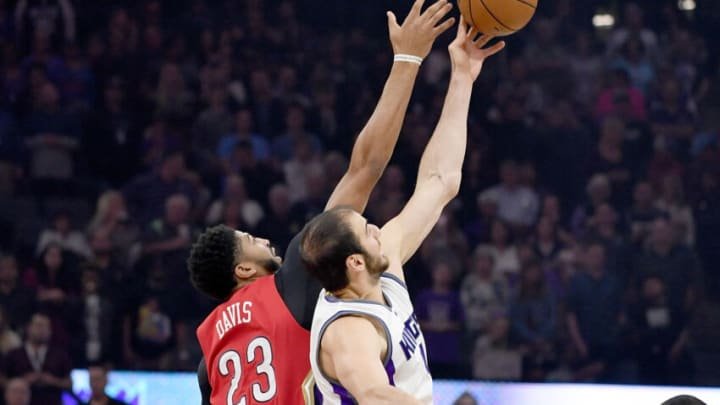
There are four quarters in an NBA game.
Ever wondered how many breaks a basketball team gets during a match? You’re not alone if you’ve questioned how many quarters are in an NBA game. It’s a fundamental part of the game’s structure, dividing the action into manageable segments.
The use of four quarters creates opportunities for different game strategies. Coaches use these breaks to make adjustments and players to catch their breath. This structure adds to the drama and intensity of each contest.

How Many Quarters Are in an NBA Game?
Let’s dive into the world of basketball and explore one of its fundamental aspects: the game’s structure. We’re talking about how the time is divided, and that means, how many quarters are in an NBA game? You might have seen a basketball game before, maybe even played one, but do you know the details about these timed periods? The answer is, each NBA game is divided into four quarters.
Understanding the Basics of NBA Game Timing
The four-quarter structure is a cornerstone of the NBA, providing a predictable rhythm for the flow of the game. It’s not just about the four periods themselves, but also about the breaks between them, the timeouts, and how they all interact to make a compelling contest. The game clock is the keeper of all this timing. Let’s look at what makes up the total game time. Each quarter in an NBA game is 12 minutes long. That means four quarters multiplied by 12 minutes means 48 minutes in total for game time. However, the total time taken in a real NBA game can be considerably longer than 48 minutes. This is because of timeouts, halftime breaks, and other stoppages for substitutions, fouls, or ball out of play situations.
The Length of Each Quarter
As previously stated, each quarter in an NBA game is 12 minutes long. This is a standard regulation throughout the National Basketball Association. The clock runs down during gameplay, with stoppages when the ball goes out of bounds, or there are violations, or for timeouts called by the coaches. This 12 minute period in basketball is important because it allows teams to strategize and adjust to different plays and opponent techniques. This regulation also affects pacing and performance of players in the NBA.
Total Game Time vs. Actual Play Time
While the game clock shows 48 minutes of playing time (4 quarters 12 minutes/quarter), you’ll notice that an actual NBA game typically lasts much longer than 48 minutes. This is because of various stoppages during gameplay, such as timeouts, fouls, reviewing of the plays using technology, player changes, and the mandatory halftime break. In fact, most NBA games tend to last between two and two-and-a-half hours. So while the actual playing time may be a fixed 48 minutes, the total time spent in the arena from start to finish will be longer due to these many factors that are part of the NBA experience. Let’s look at the details of all these breaks.
Breaks Between Quarters
The breaks in between quarters are just as essential as the quarters themselves. They provide players with a chance to rest, coaches the time to strategize, and fans an opportunity to refresh. These breaks are a key part of the NBA’s structure.
The Brief Intermissions
There are short intermissions between the first and second quarter, and the third and fourth quarter. These are short breaks, usually about two minutes long. These two minute break gives the players the chance to gather their breath and make the necessary changes in their gameplay.
The Halftime Break
The break between the second and third quarter is longer and it’s called the halftime break. This halftime break is usually 15 minutes long, giving players and coaches time to talk about their performance and devise their game plans for the next half of the game. This time also offers entertainment for the fans, and a break in the intensity of the game.
How the Quarters Influence Strategy
The four-quarter structure greatly impacts the strategies that coaches and players use during the game. Each quarter presents a new opportunity to take charge, adjust, and try to dominate their opponent. The strategies might change from the first quarter till the last one. Let’s check out how the four quarters impact the NBA gameplay:
Early Game Strategies (First Quarter)
During the first quarter, you often see teams trying to establish their pace and rhythm. They might try out different player combinations, see what their opponent is doing, and set the game’s tone. Some teams might start strong with a high-scoring plan, while others may focus on defense to get a feel for their opponent’s attacking moves. This first quarter is like a chess game, where teams are testing the waters.
Mid-Game Adjustments (Second and Third Quarters)
The second and third quarters are where we usually see teams making adjustments based on the way the game is going. Coaches make use of the data and understanding of how the opponent team is playing, they may start changing their offensive strategies, or strengthen their defensive strategies, depending on what is working and what is not. Substitutions are also a key part of these middle quarters, giving key players to recover while also testing out different combinations of players.
Late-Game Intensity (Fourth Quarter)
The fourth quarter is when the pressure goes up! This is usually the highest-intensity period of the game. Teams that are leading often try to slow the pace and run down the clock, while teams that are behind go on full offense, trying to narrow the score margin. Every possession matters more, and mistakes can be costly. This quarter is full of exciting plays, and nail-biting moments that make the fans go crazy.
Variations in Other Basketball Leagues
While the NBA uses the four-quarter format, it is important to know that not all basketball leagues around the globe follow the same rule. Here’s a brief view of how other leagues deal with game timing:
FIBA (International Basketball)
The International Basketball Federation (FIBA), which governs most international basketball competitions, also uses a four-quarter format. However, each quarter in FIBA games is 10 minutes long, which is 2 minutes shorter than an NBA quarter. This makes the total playing time 40 minutes in international basketball games. This subtle change can affect the way the game is played, with players adjusting to shorter bursts of playing time and a faster pace of the game.
High School and College Basketball
In high school and college basketball, the timing of the game can vary. College games in the United States typically consist of two 20-minute halves, rather than four quarters. High school games usually consist of four quarters, but each quarter is shorter than an NBA quarter, with the length varying based on the location and type of competition. The game clock also stops at every timeout, foul, and free throws. This difference in timing is an important part of the playing experience at different levels of basketball.
Table Showing Variations in Basketball Game Timing
To summarize, let’s look at the different timings of the games in different leagues.
| League | Number of Quarters | Length of Each Quarter | Total Playing Time |
|---|---|---|---|
| NBA | 4 | 12 Minutes | 48 Minutes |
| FIBA | 4 | 10 Minutes | 40 Minutes |
| NCAA (College Basketball) | 2 Halves | 20 Minutes | 40 Minutes |
How the Four Quarters Enhance the Viewing Experience
The four-quarter structure of an NBA game isn’t just an arbitrary choice. It’s a key part of the game that creates excitement, tension, and the thrill of sports. The structured timing provides a natural build-up of action, excitement, and crucial points where the team have to work together to win. The breaks in between allows teams to regroup, strategize and the fans to enjoy themselves. Let’s look into the specific ways that the four-quarter format improves the viewing experience:
- Strategic Shifts: Each quarter provides an opportunity for teams to change their game strategies. This allows for exciting changes in the flow of the game, making it unpredictable and suspenseful for the audience. The need to make changes during a game keeps the game fresh and exciting.
- Dramatic Comebacks: The fourth quarter provides an ideal setting for amazing comebacks. With a clear time limit, teams that are behind must play with energy and aggression to overcome their points gap. This creates dramatic and exciting moments that make the games memorable.
- Rhythmic Flow: The breaks in between the quarters give the game a natural rhythm, allowing players to rest and fans to take a break. This breaks creates a very enjoyable viewing experience as it paces the game well.
- Enhanced Entertainment: Halftime is the best part of the game experience. With amazing performances by artists, it adds another layer of excitement to the event. Also, with the breaks in between, the fans can enjoy the game better with refreshments and discussions.
Understanding the Game Clock
The game clock is crucial to understanding how the four-quarter structure works in an NBA game. The clock runs when there is an actual gameplay and it stops in other situations such as timeouts, fouls, etc. This is very important for all the players and the referees to keep the game moving efficiently. It makes sure that the game is fair and follows the rules.
How the Clock Works
The clock starts ticking as soon as the ball is tipped off at the start of the first quarter and continues to run whenever the ball is in play. It stops when there is a foul, a timeout, or if the ball goes out of bounds. Understanding these clock rules will help the viewers better understand the flow of the game.
Clock Management
Clock management is a very important skill, especially in the fourth quarter. Teams might run plays to use the time to their advantage, with the team that’s in the lead trying to run the time down and the team behind trying to use time as efficiently as possible.
So, we’ve explored in detail just how many quarters are in an NBA game. Remember, it’s four quarters, each lasting 12 minutes, but the actual game time is much longer. This is due to timeouts, breaks, and the time the clock is stopped. These breaks add to the strategic depth and entertainment of the game. This whole setup enhances the enjoyment and experience of basketball for both players and fans.
How Long Are Quarters in an NBA Game? – The Basketball Xpert
Final Thoughts
An NBA game always features four quarters. Each quarter lasts for 12 minutes of game time. Understanding this format is essential for following the flow of any basketball match. The core structure stays consistent across the entire league.
Knowing how many quarters are in an nba game is fundamental for fans. This fixed duration provides the framework for all the action. It’s a simple, but crucial rule.

