
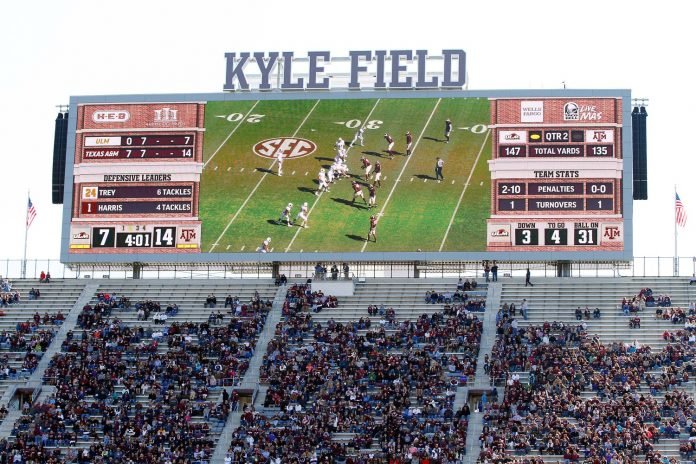
There are four quarters in a college football game.
Ever found yourself glued to the screen watching a college football game, wondering how the action is structured? Knowing the basic game structure is key to enjoying the sport. One of the common question arises that how many quarters in college football game there actually are.
Understanding this basic element of the sport helps you appreciate the strategies and flow of the contest. Each of these periods offer their unique drama and excitement, making each game a thrilling ride.

How Many Quarters in a College Football Game?
Let’s dive deep into the world of college football and talk about something fundamental: the structure of a game. Just like a book has chapters, a college football game has sections called quarters. Understanding these quarters is key to following the action and knowing when to cheer (or hold your breath!). So, how many quarters make up a college football game? The simple answer is four. But there’s much more to it than just that!
The Four Quarters: A Closer Look
A standard college football game is divided into four equal periods, or quarters. Each quarter is designed to be 15 minutes long. However, the clock doesn’t always run continuously. Several things can pause the clock, making the actual game last longer than just 60 minutes of playing time.
Here’s a breakdown of what a typical quarter looks like:
- Length of a Quarter: 15 minutes of play.
- Number of Quarters: Four per game.
- Total Scheduled Playing Time: 60 minutes (4 quarters x 15 minutes).
Why Four Quarters?
You might wonder, “Why four quarters and not three or five?” The four-quarter system provides a balance between allowing enough playing time for a good game and managing player fatigue. This structure also allows for natural breaks in the action. These breaks include halftime and timeouts, giving teams a chance to strategize and players a rest. The four-quarter system has been a long-standing tradition in American football and has proven to be a format that is exciting for viewers and manageable for athletes.
The Game Clock and How it Works
While each quarter is set for 15 minutes, the actual time that elapses can be much longer. Several actions can stop the clock in a college football game. These include:
- Incomplete Passes: When a pass doesn’t reach its intended receiver, the clock stops.
- Out-of-Bounds Plays: If a player with the ball goes out of the playing field, the clock is halted.
- Penalties: When a penalty occurs, the clock stops, allowing time to assess the penalty and move forward.
- Changes of Possession: After a team scores, or when possession of the ball changes, the clock stops briefly to allow time to get ready for the next play.
- Timeouts: Teams can call timeouts to stop the clock for strategic planning, or for any other needed reasons.
- Injuries: If a player gets injured, the clock pauses while the medical staff assists them.
These clock stoppages mean that a typical college football game can easily last two to three hours. This is important to remember if you’re planning on attending a game or watching it on TV. Don’t just think it will be a simple 60-minute experience.
Halftime: The Mid-Game Break
After the second quarter, there’s a break called halftime. Halftime is significantly longer than the short breaks between quarters, typically lasting 15-20 minutes. This break gives players an opportunity to rest, regroup, and make any adjustments to their game plan. It also provides a chance for fans to enjoy entertainment and visit concessions.
What Happens During Halftime?
Halftime isn’t just a time for a breather; it’s an integral part of the game day experience. During the halftime break, you can typically expect to see these activities:
- Team Preparation: Coaches and players use this time to review the first half, address problems they have identified, and devise a plan for the second half.
- Rest and Recovery: Players get a chance to hydrate, stretch, and rest after the intense first half of the game.
- Fan Entertainment: Often, you will see marching bands, cheerleading squads, and other forms of entertainment. This is an important part of the overall college football spectacle.
- Bathroom Break and Concessions: Halftime is a perfect time for the fans to use restrooms and get food and beverages for the rest of the game.
Overtime in College Football
Occasionally, games end in a tie after the fourth quarter. In that case, college football has overtime rules to determine a winner. Overtime in college football is different than overtime in the NFL.
How College Overtime Works
Here’s a general overview of how college football overtime works:
-
Each Team Gets a Possession:
Both teams get a chance to try to score from the 25-yard line. -
Alternating Possessions:
If one team scores and the other doesn’t then the game is over and the team that scored wins. If both teams score in the first overtime possession then the procedure continues with a second overtime and alternating possessions. -
No Time on Clock:
There is no time clock used during overtime possessions. -
Two-Point Conversions:
Starting with the third overtime both teams must go for a 2-point conversion after a touchdown. - Winning the Game: The first team to score and have a lead when their opponent fails to score wins the game.
Overtime rules can make for very exciting and nail-biting finishes, as teams need to make every play count.
Comparing College and Professional Football Quarters
While college football uses a four-quarter system, you may be curious how it compares to the professional level, like the NFL. The basic structure is the same, but there are some important differences in game length and overall style.
Similarities
- Number of Quarters: Both college football and the NFL use four quarters.
- Length of Quarters: Both college football and NFL quarters are 15 minutes long.
Differences
- Clock Rules: The way the game clock stops and starts can vary slightly between college and the NFL. Some rules are different regarding clock stoppages on first downs and incompletions, which can affect the overall time.
- Overtime Rules: College and professional football have different ways to handle overtime. As we covered, college has its own particular approach to overtime. The NFL has a different procedure and more closely resembles “sudden death”.
- Game Length: While both games have four 15-minute quarters, differences in clock rules and other factors often make an NFL game longer than a college game.
The Importance of Understanding Game Structure
Knowing that a college football game is made up of four quarters is crucial to being able to follow the game. It helps you understand the flow of the match, the timing of strategies, and the significance of key moments. If you are new to watching college football, keeping the quarters in mind helps you get a better sense of what is happening during the game. This helps you appreciate all the different aspects of the game.
Why It Matters for Fans
Understanding the concept of quarters in a college football game is vital for fans. Here are a few reasons:
- Strategic Understanding: You can appreciate how teams adapt their strategies based on the quarter and the score.
- Time Management: Knowing the game is in four segments allows fans to better plan when to get snacks or take a break, if not at halftime.
- Enjoying the Game: Being aware of the game’s structure gives you an idea of when the tension might be at its highest and helps enhance your overall enjoyment of the sport.
To be a true college football fan, understanding the game structure is just as important as knowing the rules or the players.
Additional Factors Influencing Game Time
Beyond the basic 15-minute quarters, several other factors can affect the total time of a college football game. Knowing about these can help you understand why some games appear to last much longer than others.
Factors Affecting Game Length
Here are some of these factors:
- Number of Penalties: Games with many penalties often take longer because the clock stops to assess penalties.
- Number of Timeouts: Teams using a lot of their timeouts will add to the total game length because they pause the clock.
- Injuries and Delays: Any unexpected medical situations or on-field delays can stop the game and add to the overall time.
- Scoring Plays: Every time a team scores, the clock will stop to allow time to set up the next play.
- Review of Plays: When the officials review a play, the clock stops and this will add time to the game.
All of these factors are common in almost any game and contribute to the variable length of the game.
In conclusion, while the basic structure of a college football game is made up of four 15-minute quarters, the overall game can extend considerably depending on various in-game factors. This information should give you the understanding you need to fully appreciate this great sport. So, next time you tune in to watch a game, remember these insights. This helps make the viewing experience more complete. This structure ensures that every game has enough time to play out all the great moments we have come to love.
How Many Quarters In Football | Football Facts
Final Thoughts
College football games consist of four quarters. Each quarter lasts 15 minutes, which is the same as NFL games. There are short breaks between quarters for teams to strategize.
Understanding the standard structure is key for following the game. Knowing how many quarters in college football game helps viewers keep track of the action. It also helps in understanding the rules.

