
In a typical tennis match, the number of sets needed to win is either two or three, depending on the format played.
Have you ever watched a thrilling tennis match and wondered about the rules? Specifically, you might be asking yourself, “how many sets are in a tennis game?” Well, it’s a great question! The answer impacts the length and strategy of the game.
Understanding set formats is important for both casual viewers and dedicated fans. The number of sets also affects the overall dynamics of the match. It dictates how many games a player needs to secure victory.

How Many Sets Are in a Tennis Game?
Okay, let’s dive deep into the world of tennis sets! You might be watching a thrilling match and wondering, “How many sets are they going to play?” It’s a great question, and the answer isn’t always the same. It depends on what kind of match you’re watching. Understanding sets is key to understanding the whole game of tennis. So, let’s break it down and make it super easy to grasp.
The Basics of a Tennis Set
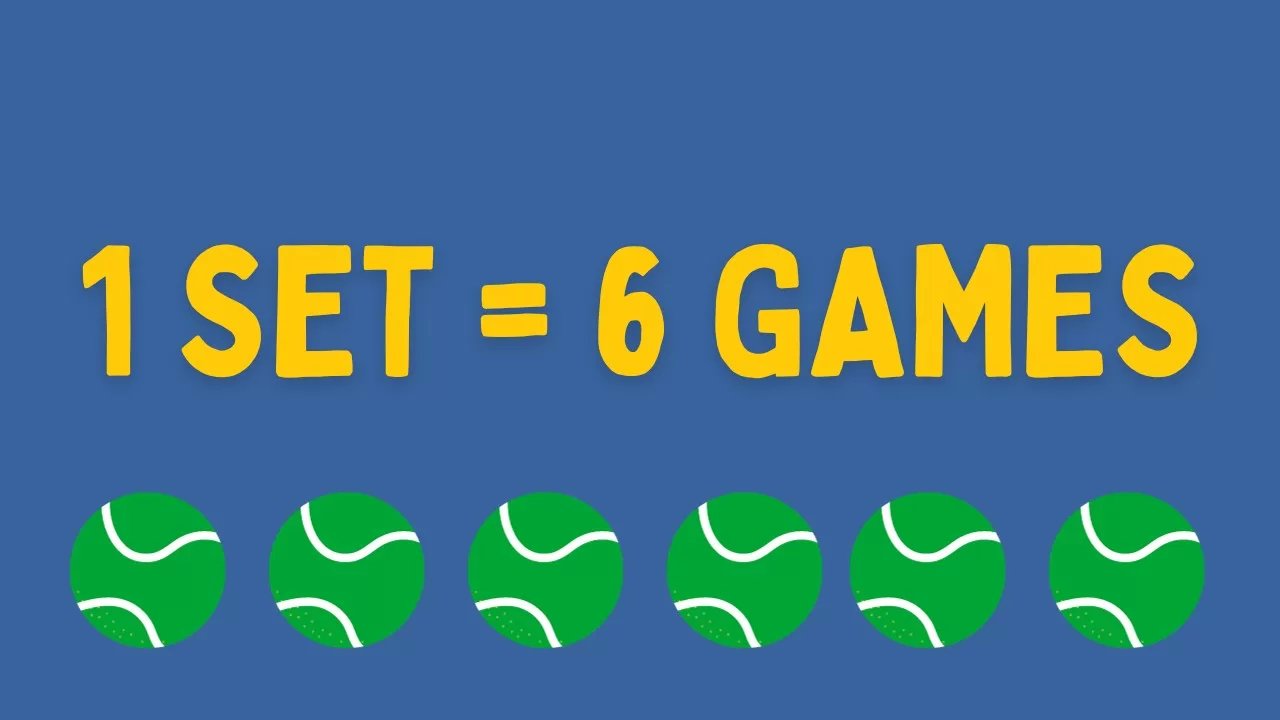
First, let’s talk about what a “set” even is. Think of a set as a mini-game within the bigger tennis match. To win a set, a player needs to win a certain number of games. It’s like a race to a finish line, but instead of running, they’re hitting a fuzzy yellow ball! The most common way to win a set is by winning six games, but with a little twist.
Winning a Set: The Six-Game Rule
The most important rule about winning a set is that you need to win by at least two games. This means, if the score is 6-5, the set isn’t over. The player who is leading needs to win one more game to win the set at 7-5. If you and your opponent both win six games, it is tied at 6-6, you don’t win the set! You need to play a tie-break. A tie-break is a way to decide the winner of the set quickly and easily. So, remember, 6 games wins the set, unless it’s 6-5, then you play until someone has a lead of two.
Win by Two: You need a lead of two games to win a set, unless it is a tiebreak situation.
Six Games: Usually you need to win six games to win the set, if the score is not 6-5.
Best-of-Three Sets: The Standard for Most Tennis Matches
Now, let’s talk about the most common format for a tennis match: best-of-three sets. This means the player or team that wins two sets first wins the entire match. So, if player A wins the first two sets, the match is over. They don’t play a third set because they’ve already won. This format is seen in most professional women’s matches, junior matches, and many recreational or friendly matches.
How Best-of-Three Works
Think of it like a three-round fight, but you only need to win two rounds to be declared the champion. If player A wins the first set and player B wins the second set, then they will play the third set to determine the winner. Here’s a simple way to look at it:
Set 1: Player A wins
Set 2: Player B wins
Set 3: Player A wins
Therefore, Player A wins the entire match
Best-of-three sets helps make the matches a good length. They’re not too short but not too long, keeping the viewers engaged. It’s a nice balance between skill, stamina, and entertainment. This format is a standard in the tennis world, and you will see it a lot.
Best-of-Five Sets: The Marathon Matches
Now, things get interesting with best-of-five sets! This format is primarily used in men’s Grand Slam tournaments and the Davis Cup. Grand Slam tournaments are the most prestigious tennis tournaments in the world like Wimbledon, the US Open, the French Open, and the Australian Open. These matches can be very long, and they truly test the player’s endurance.
Why Best-of-Five?
Best-of-five means that the first player to win three sets wins the entire match. This can make for really epic games. They can last for many hours and have exciting twists and turns. When players have to battle it out through five sets, you see amazing examples of skill, mental toughness, and stamina. These types of matches showcase true champions, and this is why they’re used in the big Grand Slam tournaments. Think of it as a five-round fight, where the winner must win at least three rounds to win the match.
Set 1: Player A wins
Set 2: Player B wins
Set 3: Player A wins
Set 4: Player B wins
Set 5: Player A wins
So, Player A wins the match.
Best-of-five set matches require the players to bring their A-game. You have to be not only skillful but also very mentally and physically prepared to play such a long match, and you need to be ready for anything.
Tie-Breaks: Solving the 6-6 Tie
Okay, we talked about what happens when the score reaches 6-6 in a set. This is where the tie-break comes in. A tie-break is a special game that decides the winner of a set when the score is 6-6. This avoids matches going on forever and keeps the excitement level high!
How a Tie-Break Works
The first player to score seven points, and with a two-point lead, wins the tie-break. The points are counted as 1, 2, 3, and so on, unlike the normal game scores in tennis (15, 30, 40). Players alternate serves every two points. The player who served first in the game serves first for the tie-break. After the first point, the serve switches every two points.
The player or team that reaches seven points with a two-point lead wins the tie-break. If the score is 6-6 in the tie-break, you keep playing until someone is ahead by two points. This can be exciting because you see the score go 7-6, 7-8, 8-8 and finally, someone is up by two points! So, a tie-break quickly decides the winner of the set and moves the match forward. This keeps matches more predictable for scheduling.
First to Seven: The first player to get seven points wins the tie-break.
Two-Point Lead: You have to win by at least two points.
Alternating Serves: Players alternate serves every two points.
The Importance of Sets in Tennis
Now that you know how many sets are in a tennis match, let’s quickly look at why they’re so important. Sets are the fundamental units of a tennis match. They allow players to use all of their skills, fitness, and mental fortitude to win matches. Understanding the rules for winning sets is super important if you are playing or just watching tennis.
Fair Play: Sets make matches fair by ensuring that one team cannot dominate all the time.
Pacing: They create a rhythm in the match, with peaks and valleys of action and emotion.
Strategy: Players have to adjust their strategies during the match based on how well they are doing in their sets.
Variations in Set Formats
While best-of-three and best-of-five are the most common set formats, there are some variations you might see, especially in recreational or local leagues.
Short Sets
Sometimes, especially in recreational play, you might see a “short set”. Instead of playing to six games, you might play to four games to win the set. This can speed up the match and let more people play tennis. This kind of format is used to make tennis less time-consuming when you’re playing casually or when you are in a group with lots of people.
Pro Set
Another variation you might see is the “pro set”. Instead of playing multiple sets, you just play one set that is to eight games. The first to eight wins the set, and that wins the entire match. This also keeps play short and can be more fun for casual tennis. This is an easy and quick way to play tennis.
Short sets: These sets are played to 4 games.
Pro sets: These are played to 8 games.
Summary of Sets in Tennis
Let’s quickly go over everything we’ve covered so you’re sure to know how many sets are in a tennis match and all the little nuances:
Set basics: Sets are like mini-matches in the overall game.
Six-Game Win: Usually, you need to win six games to win a set, and always by two games if not a tie-break.
Tie-breaks: Tie-breaks happen when the set score is tied 6-6 to avoid a never ending match.
Best-of-Three: This is common for women’s professional matches, junior matches, and recreational play, and you have to win two sets to win the entire match.
Best-of-Five: These are seen in men’s Grand Slam tournaments and Davis Cup, you need to win three sets to win the entire match.
Variations: There are formats like short sets (first to 4) and pro sets (first to 8).
By understanding the sets, tie-breaks, and different formats, you are now equipped to enjoy the tennis game, either watching or playing, with a much better understanding. You’ll be able to follow the matches and know exactly what’s going on!
Sets in tennis are not always as straightforward as they first appear. While the core structure is easy to learn, there are layers of strategy and variation that add to the excitement and depth of the sport. From the strategic decision of serving first to the intense pressure of a tie-break, these game formats contribute greatly to a very dynamic competition. Sets form the backbone of a tennis match, influencing the pace, the tension, and the overall storytelling of each game. Whether you are a seasoned viewer or new to the game, understanding the role of sets helps you gain a better insight into the complexity and appeal of tennis. Tennis is a sport that balances skill, strategy and the physical and mental aspects of playing. Knowing the set rules adds a layer to your understanding of all that!
So, next time you watch a tennis match, remember that the number of sets is more than just a number. It’s the structure that holds everything together, and adds to the spirit of the sport. Knowing how many sets are in the game and why gives you more enjoyment as you watch!
Tennis for dummies video | Tennis Scoring Explained
Final Thoughts
The number of sets in tennis varies. Men typically play best-of-five sets in major tournaments. This means the first player to win three sets wins the match.
Women’s matches usually use a best-of-three format. Therefore, winning two sets secures the victory. The format difference must always be considered.
So, to be clear, how many sets are in a tennis game is determined by the match type. It is a crucial aspect of the game to understand.

