
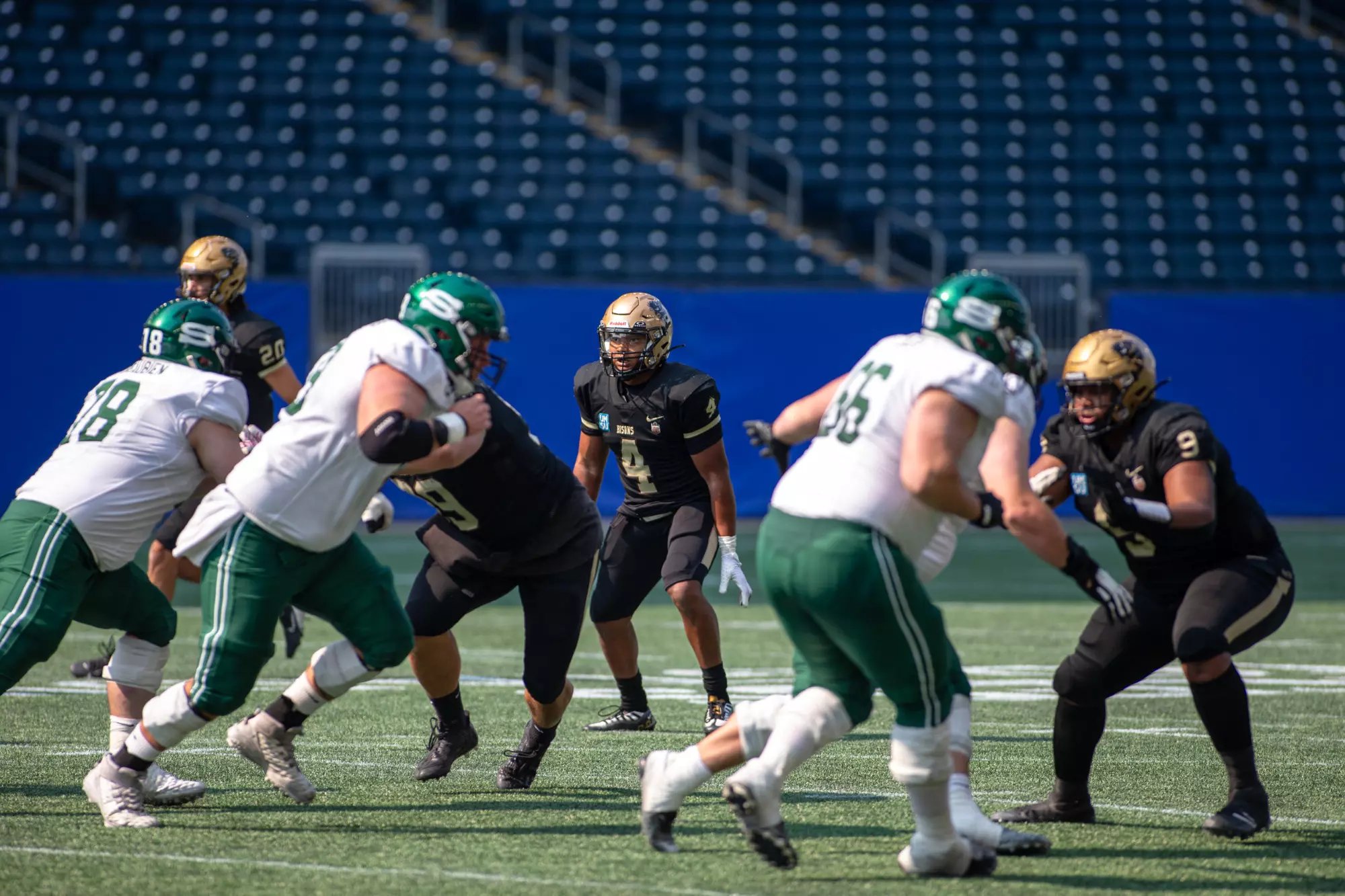
Generally, averaging 8-10 tackles per game is considered a good performance for a high school football player, though this can vary by position.
The gridiron roars with action, each snap brings a new opportunity for impact. One stat that stands out is tackles, but how many tackles per game is good high school? It’s a common question among players and parents alike.
Understanding this statistic helps gauge a player’s defensive prowess. We need to consider factors like position and game context when evaluating the numbers. This will give you a much clearer view of performance.

How Many Tackles Per Game is Good High School?
Figuring out what counts as a “good” number of tackles in high school football can be tricky. It’s not as simple as saying “ten tackles is perfect!” because many things can change what’s considered impressive. The type of position a player plays, the strength of their opponents, and even the overall strategy of their team all have an impact. This article will explore all the factors that contribute to understanding tackle numbers and what they mean for high school players.
Understanding the Basics of Tackling
Before we dive into numbers, it’s important to understand what a tackle is. A tackle happens when a defensive player stops an offensive player who has the ball. It’s a fundamental skill in football. There are different types of tackles: some are solo efforts, and others involve multiple players working together.
Solo vs. Assisted Tackles
A solo tackle is when one player is entirely responsible for bringing down the ball carrier. An assisted tackle is when two or more players are involved in stopping the play. Typically, the player who makes the initial contact is credited with the primary tackle, and the other player(s) get credited with assists. When thinking about tackle numbers, both solo and assisted tackles count, but they also sometimes broken out into separate stats by some coaching staffs and teams when evaluating players.
The Importance of Good Tackling Technique
Tackles aren’t just about the number but also about the technique. Good tackles are safe, preventing injuries to both the tackler and the ball carrier. A player with good technique will be able to get more tackles because they won’t miss as often and will be more effective at bringing players to the ground. Proper form also prevents penalties, which can be costly for a team. A player who tackles poorly might have a high number, but if they are making dangerous hits, it is not good football or safe for the player they are tackling.
Position Matters: What’s Good Varies
The position a player plays on the defense matters greatly when thinking about the number of tackles. A linebacker, for example, will usually have more opportunities to make tackles than a cornerback, just because of the space they occupy on the field. Let’s take a look at how different positions impact tackle counts.
Linebackers
Linebackers are the heart of the defense. They are often in the middle of the action and have many chances to make tackles. Because they are closer to the line of scrimmage where most running plays happen, linebackers tend to have the highest tackle numbers on a team.
- Inside Linebackers: These players are usually right in the middle and are responsible for stopping the run. A good inside linebacker may have 8-15 tackles per game, but this could change based on the team’s offense.
- Outside Linebackers: They often deal with both run and pass plays, so their tackle numbers might vary a bit more. Outside linebackers typically range between 5-12 tackles per game.
Defensive Linemen
Defensive linemen are in the trenches, fighting to get past the offensive line. While their primary goal is to disrupt the offense and pressure the quarterback, they also contribute to tackles, especially on running plays.
- Defensive Ends: Ends often make tackles when running plays come towards the edge of the line. A strong defensive end may record 4-8 tackles per game.
- Defensive Tackles: These players focus on stopping runs up the middle. They often get double-teamed by offensive linemen and do not rack up as many tackles as ends, but tackles made by DTs are very important to the defense. Defensive tackles will typically make 2-6 tackles per game.
Defensive Backs
Defensive backs play further back and focus more on pass coverage. However, they are also key players when a running back gets past the linebackers or when a quick pass is completed.
- Cornerbacks: Cornerbacks will have lower tackle numbers if they are doing their job well. If they are covering receivers properly and not letting receptions get made near them, they won’t have chances to make tackles. On a great game, a cornerback may have 2-6 tackles per game.
- Safeties: Safeties are often the last line of defense and will sometimes have more tackle opportunities. A good safety may record 4-10 tackles per game, depending on the amount of plays run at the position, they may have more in games where they are more targeted by the offense.
The Impact of Opponent Quality
The quality of the opponent has a significant impact on how many tackles a player might have in a game. Think of it this way: if you are playing against a team that runs the ball a lot, defensive players, especially linebackers and defensive lineman will have more opportunities to make tackles. If you are playing against a team that passes the ball more, defensive backs may have more chances to make tackles. Here’s how different opponents can change tackle numbers:
Running Teams
Playing against a team that prefers to run the ball will lead to more tackles overall. Linebackers and defensive linemen will have many opportunities to make plays. If the offensive line is strong, it can make it tougher for linemen to make tackles, but generally, playing a run heavy team means many tackle opportunities.
Passing Teams
Facing a team that likes to pass the ball can mean fewer tackles for the front seven, as they may spend more time trying to pressure the quarterback. In these games, defensive backs will likely have more opportunities to tackle the receiver after a catch. In games against pass-heavy teams, tackles can go up if an individual is targeted more frequently, as it means there is more opportunities to make tackles against the target.
Offensive Strategy
The offensive strategy a team uses will affect how often their opponent makes tackles. A team that uses a very fast paced offense may cause the opposing defense to make more tackles. A team that is more traditional and is slower paced may lead to less tackles because there are fewer plays ran in a game. Teams that run the ball more will cause the opposing teams’ defense to record more tackles.
Team Strategies and Tackle Distribution
A team’s overall defensive strategy affects how tackles are spread among the players. Some teams emphasize different positions and have different schemes that will emphasize certain roles more than others. Here is how team strategies can impact tackles:
Aggressive Defensive Schemes
Teams that run an aggressive defense, often involving blitzes and stunts, may have a higher distribution of tackles spread through the team, rather than just from the linebackers. When a team frequently blitzes players like defensive backs, it creates more opportunities for them to make tackles.
More Conservative Defensive Schemes
Teams that play more conservatively and focus on avoiding mistakes may see more tackles from their linebackers and front linemen, because those players will likely be in the middle of the action. In games where a defense plays more conservatively, there may be less opportunities for players like cornerbacks to record tackles, simply because they may not be involved in the play as much.
Coaching Philosophies
Coaches may have different ideas about what defines a successful tackle. Some may prioritize solo tackles, while others emphasize gang tackling and getting multiple players involved. A coach may teach his team a defensive scheme that will put their top players in position to make tackles, whereas another coach may try to spread the tackling responsibilities evenly to promote a teamwork oriented approach.
Beyond the Numbers: Evaluating Tackle Performance
Looking at the number of tackles is a good starting point, but it’s important to remember that the best way to evaluate player performance goes beyond just the stats. Here’s what else coaches and scouts consider:
Tackle Efficiency
How many tackle attempts does it take for a player to make a tackle? A player with a high tackle rate is more valuable than a player with a high number of missed tackles. A player with 10 total tackles in a game might be less valuable than a player with 8 tackles in a game if 8 tackles by the player were all solo tackles, and 10 tackles by the other player were spread out into solo and assist tackles with more missed tackles.
Impactful Plays
Tackles that stop a play for a loss of yardage, or that occur on critical downs, are far more valuable than a simple tackle of a player for a small gain. Coaches will be looking at how many tackles a player can make in the backfield for a loss, as those kinds of plays help a team the most.
Disruptive Plays
Defensive players can make impact plays that disrupt offensive plays without directly making a tackle. Even if a defensive player does not make the tackle, if they do their job correctly and help someone else make a tackle, that is a valuable play. A player who can pressure the quarterback or disrupt passing lanes is valuable for their team, even if they do not directly make a lot of tackles.
Consistency
A player who has similar tackle numbers week after week is more valuable than a player who fluctuates greatly. Consistent tacklers are dependable, and that is an important trait to have. Coaches may be looking at the player’s number of tackles, but they will also look at the number of missed tackles and the impact each play had.
What is a “Good” Number of Tackles
So, how do we answer the question, “How many tackles per game is good in high school?” Well, to make it easy, let’s try to make a simple breakdown of what can be considered a ‘good’ number of tackles per game for different positions:
Keep in mind, these numbers are just a general guideline. Many factors can cause a player to have more or less tackles in a game, including level of competition, the offensive strategies of the opponent, and the player’s defensive scheme.
| Position | Good Tackles Per Game | Notes |
|---|---|---|
| Linebackers (Inside) | 8-15 | Generally, the highest tacklers on the team, especially on run heavy teams. |
| Linebackers (Outside) | 5-12 | May be a bit more variable than inside linebackers due to their responsibilities in both run and pass coverage. |
| Defensive Ends | 4-8 | Often involved in stopping runs and pass plays on the edge of the defensive line. |
| Defensive Tackles | 2-6 | Focus is more on disrupting the offensive line and stopping runs up the middle. |
| Cornerbacks | 2-6 | Will vary based on amount of plays that occur near them. Having a low amount of tackles in a game may be a good sign for this position. |
| Safeties | 4-10 | Often the last line of defense, may see an increase in tackles in games with high pass attempts. |
For a linebacker, having 10+ tackles a game consistently means they are having a very impactful season. For a cornerback, 3-4 tackles a game may mean they are doing their job well and are involved in the play when they need to be. Ultimately, the number of tackles is only one piece of the puzzle for evaluating defensive players.
In the end, a “good” number of tackles per game for a high school player is not a set number. It’s a combination of understanding the position, considering the opponent, and acknowledging the overall team strategy. Coaches care about the impact of the plays a player makes, not just the number of tackles. A player who can make impact plays and can consistently tackle well will be more valuable than a player who has a high number of tackles, but does not make quality tackles.
Here’s How Defensive Tackles Get Offers‼️
Final Thoughts
A good number of tackles per game varies based on a player’s position and team strategy. Linebackers and defensive backs typically lead in tackles. Factors like opponent’s offensive style impact the final number.
A high school player averaging five to ten tackles per game shows good consistency. Top performers often exceed ten tackles per game. Individual game statistics fluctuate considerably.
Ultimately, ‘how many tackles per game is good high school’ depends on the context. Consistent effort and impactful plays matter more than raw tackle numbers alone. The main key is a player’s overall contribution to the team’s defense.

