
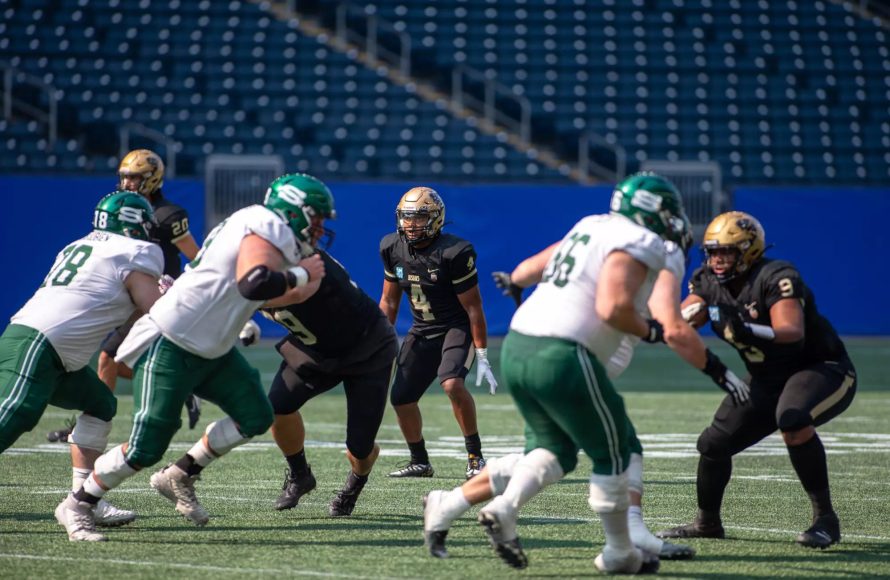
Based on position, a good number of tackles per game varies, but consistently making 5-10 tackles a game shows a player actively contributes to their team’s defense.
Trying to figure out how many tackles per game is good often leaves sports fans scratching their heads. It’s a common question, and the answer isn’t always straightforward, as it shifts based on a player’s role on the field. Different positions naturally have varying tackle opportunities, making a direct comparison difficult.
The position a player occupies dramatically impacts the number of tackles they’ll accumulate. For example, a linebacker will typically have many more chances than a wide receiver. Also, a higher tackles number doesn’t always equal great defense. It’s more about making impactful stops and playing a disciplined role within a team’s system.

How Many Tackles Per Game is Good?
Figuring out what a “good” number of tackles per game is, isn’t as simple as just picking a number. It’s like trying to say what a “good” amount of pizza to eat is – it depends on a lot of things! In the world of sports, especially sports like American football and rugby where tackling is a key part of the game, what’s considered a good number of tackles changes quite a bit. We need to look at many different things to understand this better. It isn’t just about racking up the most tackles, it is about making good, smart, and effective plays. Let’s dive in and see what makes some tackling performances stand out more than others.
Position Matters: Why Tackles Vary
The very first thing to understand is that the position a player plays has a huge impact on how many tackles they might make. If you’re a player who is always in the middle of the action, like a linebacker in football, you’re naturally going to have more chances to make tackles. Think of it like this: if you play near the place where the ball is most of the time, you are very likely to be involved in more tackles. However, if you play a wide receiver in football, you’re mostly focused on catching the ball, not making tackles, hence the chances to make tackles are less.
Linebackers: These guys are often the tackling machines. They are right in the middle of everything and are typically expected to make many tackles per game.
Defensive Linemen: These players are focused on getting past the offensive line to cause disruption, and they also contribute to tackles.
Defensive Backs (Cornerbacks, Safeties): Their job often involves covering receivers or making tackles further down the field after someone has broken through. Their tackle numbers might be lower but the importance of a good tackle in a crucial moment for these positions is crucial.
Offensive Players: Generally, offensive players make very few tackles unless a turnover occurs and they need to stop the player with the ball. Their priority is to score points.
It’s like saying a baker makes more bread than a doctor. They have different jobs, so their tasks and expectations are different. Similarly, a linebacker is expected to make more tackles than a wide receiver. It’s important to not compare these two directly.
What is an Average Tackles Per Game?
Now that we know positions play a big role, let’s talk about what average tackle numbers might look like. Keep in mind, these numbers can change slightly depending on the league, the level of play, and even just a team’s style. But, here’s a general idea:
| Position | Average Tackles Per Game |
|——————-|————————–|
| Linebacker | 8-15+ |
| Defensive Lineman| 4-8 |
| Defensive Back | 3-6 |
| Offensive Player | 0-1 |
These are averages, and a great performance can definitely see a player exceed these numbers, while a player might also come below. It is about being consistent with the quality of the tackles.
The Quality of Tackles: More Than Just Numbers
While the number of tackles a player makes is important, the quality of those tackles matters even more. It’s not enough to just touch someone with the ball; it’s about how effectively you stop their forward movement. A player who makes only a few but excellent tackles, preventing big gains or even forcing fumbles, might be more valuable than someone who makes a lot of tackles that allow extra yardage.
Think of it like a detective solving a crime. It’s not about how many clues they find, but how well they use those clues to solve the case. A few well-executed tackles can make a bigger difference than a bunch of not-so-great ones. A good tackle stops the player dead in their tracks and prevents further gains.
What makes a “good” tackle?
Stopping Forward Progress: This is the most basic. A good tackle stops the ball carrier from gaining more yards.
Forcing Fumbles: A great tackle can knock the ball loose, creating a turnover for your team.
Proper Technique: A tackle made with good technique is safer for both the tackler and the player being tackled. This prevents injuries.
Timeliness: A tackle at the right moment, such as on a crucial third down or near the goal line, can be incredibly important.
Consistent Effort: A player who is always striving to make tackles and support their team shows a strong commitment to the defense.
A combination of these factors makes a tackle not just another number but a valuable play.
Game Situation: When Tackles Matter Most
The circumstances of the game can also greatly affect how important a tackle is. A tackle made on 4th down when the other team is one yard from the goal line has huge implications. Similarly, a tackle made in the open field is very different from one made on the line of scrimmage.
Third and Fourth Down Tackles: These are critical as they can end an opponent’s possession and allow your team to get back on offense.
Goal Line Tackles: Preventing a touchdown is among the most important things a defense can do. Tackles near the goal line are high pressure situations.
Open Field Tackles: These require agility and good tackling technique and they stop long plays from happening.
Late Game Tackles: When the clock is running down, tackles made late in the game can make the difference between winning and losing.
Think of it like a game of chess. Every move you make is important, but some moves in crucial parts of the game are vital to getting a checkmate. In sports, these “checkmate” moments can be the tackles that happen during critical game situations.
Understanding the Defensive Scheme
The defensive strategy a team uses can also impact the number of tackles made by each player. Some defenses are built around aggressive blitzing, while others are more focused on containing the offense and making tackles on the back end.
Blitzing Defenses: In these types of defenses, players will try to make tackles behind the line of scrimmage and try to bring pressure on the quarterback.
Containment Defenses: Here the focus will be on limiting the yards gained and the tackles may happen a little farther downfield.
Zone vs. Man Coverage: Different coverage schemes may require different players to make tackles at different points on the field.
The way a defense is designed plays a major role in determining where and when the tackles take place. It’s like a recipe for a cake. You need the right ingredients in the right amounts to create the perfect result. Similarly, a defense needs to have the right strategy to produce tackles when needed.
Player Skill and Abilities
Of course, a player’s individual skills, strength, speed, and instincts all play an important role in how many tackles they can make. Players who are more athletic and have a natural ability to read plays are likely to make more tackles. Similarly, players who have well honed tackling techniques can be very effective in making tackles consistently.
Strength: A strong player can break through blocks and make solid tackles.
Speed: Fast players can cover more ground and make tackles on players who are running away from them.
Instinct: Some players just seem to be able to anticipate where the ball will be and get there quickly to make a play.
Technique: Knowing how to tackle safely and effectively can increase a player’s tackle numbers and their impact on the game.
Think of it like being a musician. Some have natural talent, but they also have to practice to hone their skills and become the best they can be. Similarly, all of these skills combine to make a successful tackling machine.
Beyond the Numbers: The Impact of Tackles
It’s important to remember that tackling is about more than just the numbers. It’s about the impact that a tackle has on the game. A tackle that stops a touchdown, forces a fumble, or prevents a first down can be incredibly valuable, even if the player only makes a few of them in a game.
Think about the domino effect. One good tackle can change the momentum of the game, leading to other good plays by the defense. It’s not just about the individual tackle; it’s about what that tackle does for the team. Tackles can create change, create momentum, and turn the tide of the game.
Consistency is Key
Finally, when we talk about what is a “good” number of tackles per game, consistency also matters. A player who makes a lot of tackles in one game but is quiet in the next might not be as valuable as a player who makes a solid amount of tackles consistently game after game. The ability to be reliable and consistently contribute to the team’s defense is what makes the tackle numbers truly meaningful.
A good player can contribute consistently throughout the season. Their work ethic and commitment can help carry the team and bring consistent value to the defense.
Putting It All Together
So, instead of asking “how many tackles per game is good”, a better question might be “how well are a player’s tackles impacting the game”? A linebacker with 10 tackles that stops the other team from scoring at the crucial moments may be more valuable than a linebacker with 15 tackles that are not contributing to stopping the momentum of the opposition. All these numbers tell a story but to truly understand a player’s impact we need to look at the game in its entirety.
We’ve looked at all of the different ways to determine the value of a tackle. It’s not just about the quantity, it’s about the position, the quality, and impact, among other things.
Ultimately, there’s no magic number for tackles per game that universally qualifies as “good.” It’s a complex picture that depends heavily on the player’s position, their role within the team’s defense, the game situation, the skill of the player, and the overall impact on the game. The most important thing is to evaluate a player’s performance holistically, looking beyond the raw number of tackles to assess their overall contribution to the team’s success. A well-rounded analysis considers all the factors we’ve discussed to determine a player’s true impact on the game, making it clear that tackling is far more than just counting numbers.
Your Tackles Per Game If You
Final Thoughts
Ultimately, a “good” number of tackles per game varies significantly based on position and team strategy. Defensive midfielders often average more tackles than attacking players. Consistently making several tackles each game demonstrates engagement and defensive contribution.
So, how many tackles per game is good? There is no single right answer, but analyzing individual roles and team needs will show if someone is effective. Focus on quality tackles, not just quantity for impact.

