
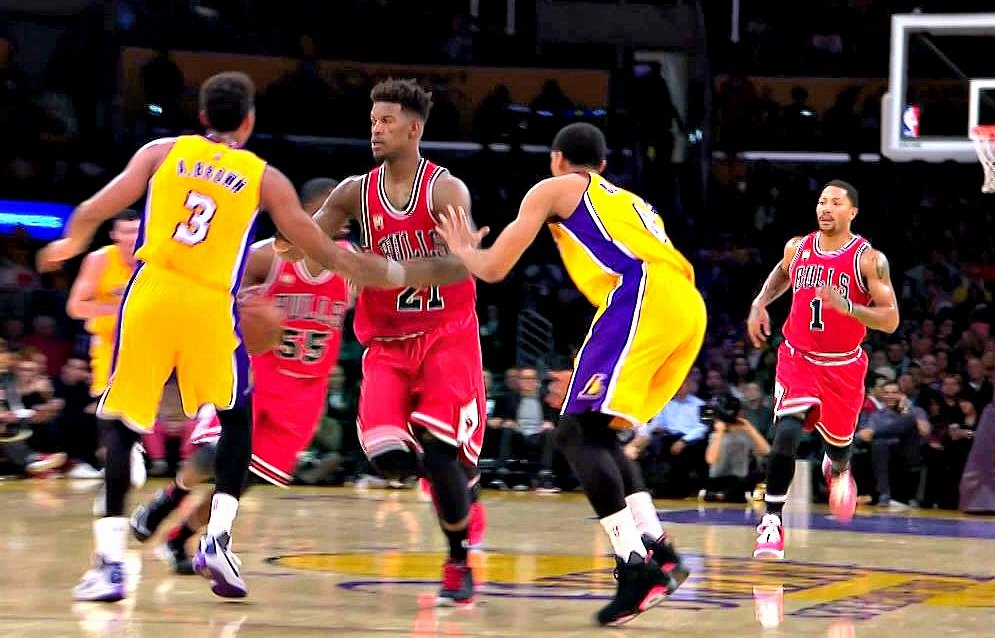
NBA players typically run around 2.5 to 3 miles during a game.
Ever wondered about the incredible stamina of NBA players? It’s easy to get caught up in the dazzling dunks and pinpoint passes, but have you ever thought about how much do NBA players run in a game? These athletes cover a surprising amount of ground during their time on the court.
They are constantly moving, switching between offense and defense. All that sprinting, backpedaling, and cutting really adds up. It’s not just about speed, it’s about endurance as well.

How Much Do NBA Players Run in a Game?
Ever wondered just how much ground an NBA player covers during a single game? It’s not just about dribbling and shooting; it’s also a ton of running! These athletes are some of the fittest people in the world, and the distance they cover each night is a big reason why. Let’s dive into the details and see what goes into those non-stop sprints and jogs that make up an NBA game. We’ll look at the average distances, the different positions, and what factors affect how much they run.
Average Distance Covered by NBA Players
So, what’s the magic number? On average, an NBA player runs about 2.5 to 3 miles (around 4 to 4.8 kilometers) per game. That’s like running a 5k race during every game! This is a pretty big range because it depends on many things, but this average gives us a good starting point. To put this into perspective, an average person walking in their daily life may walk less than one mile per day. NBA players are sprinting, backpedaling, and making lots of quick directional changes; it’s not a casual jog. Also consider that they play around 82 games each year during the regular season. Imagine running that much consistently!
Factors Influencing Running Distance
Several factors can make a big difference in how much an individual player runs during a game. These factors include their position on the court, the pace of the game, the amount of time they play, and even their team’s offensive and defensive strategies. Let’s explore these a bit more.
Position Matters
The position an NBA player plays significantly impacts the distance they typically cover in a game. Guards tend to run the most, while centers usually run the least. This makes sense when you think about how the game unfolds. Guards are responsible for bringing the ball up the court, orchestrating plays, and chasing opposing guards. Centers usually stay closer to the basket on both offense and defense, focusing more on rebounds and post-ups. Forwards fall somewhere in between, doing a mix of running and playing close to the basket.
- Point Guards: These players run the most, often clocking in over 3 miles per game. Their job involves constant motion, handling the ball, pushing the pace, and playing defense on the perimeter. Think of players like Stephen Curry or Ja Morant; they’re always moving.
- Shooting Guards: Similar to point guards, shooting guards also cover a lot of ground. They have to be quick on both offense and defense, and might run almost as much as point guards, averaging between 2.8 and 3.2 miles.
- Small Forwards: Small forwards run less than the guards, but still a significant amount. They are often involved in fast breaks and cut to the basket. Their average is around 2.5 to 3 miles per game. Think of LeBron James; he runs all around the court.
- Power Forwards: Power forwards move a bit less compared to guards and small forwards. They focus more on rebounding and playing near the paint, which reduces overall running distance. They usually clock around 2.2 to 2.8 miles per game.
- Centers: Centers usually run the least. They spend a lot of time battling under the basket. They are still very active, but their running is less in terms of total distance. They might cover around 2 to 2.5 miles in a game. Players like Nikola Jokic and Rudy Gobert are generally more stationary.
Pace of the Game
The pace at which a game is played also impacts the total distance covered by players. A game that’s played at a fast pace, with many possessions and fast breaks, will naturally involve more running for everyone. Conversely, a slower-paced game, with more half-court sets and fewer transitions, will generally mean less running. Fast-paced teams usually rack up more running distances compared to those teams that usually like a more systematic approach in the games.
Minutes Played
The amount of time a player spends on the court is obviously a major factor. A player who plays 38 minutes is going to run a lot more than a player who plays 18 minutes. The more a player is in the game, the more opportunity they have to cover ground on the court.
Team Strategy
The offensive and defensive strategies of each team affect the running distances. Teams with fast-break offenses require more running. Those teams with more emphasis on ball movement need their players to keep moving to get open. Defensively, some teams play aggressive full court presses and need to run and cover more space. These strategies demand more running, while teams with more structured half-court offenses and defenses might move in a more efficient way.
How Tracking Technology Works
So, how do we know all this? Well, modern technology has made it possible to precisely track how much players run. NBA uses systems like player-tracking cameras and sensors within the court to keep tabs on players’ movements, not only how much they run, but also how fast they move, how they move during games. These systems allow for accurate data on running distances, speed, and even movement patterns. They also allow for in depth player analysis to better know the player’s weaknesses and strength. The data is also used by the teams to better strategize about the games ahead and know which player is the best to choose for that game. This technology helps the coaches and players to make the appropriate changes to their game.
GPS and Wearable Sensors
Another way to track the running distance of a player is through using wearable sensors. Some NBA teams and players use wearable GPS devices and sensors. These devices give detailed information about player’s movement during games and practice sessions. They gather data on speed, distance, acceleration, deceleration and heart rate as well.
The Intensity of NBA Running
It’s important to remember that it’s not just about the total distance. The running in an NBA game is very different from a casual run. It includes constant changes in speed, direction, and intensity. There’s a lot of sprinting, quick bursts, and then short periods of rest. Imagine running as fast as you can, then stopping and changing directions, then doing it again and again for 48 minutes. It’s really exhausting!
Sprinting and Change of Direction
NBA players are not just running in a straight line. They sprint up and down the court, they cut to get open, they defend by sliding laterally. These rapid changes of direction and bursts of speed require incredible strength, agility, and stamina. It’s not just a matter of covering ground; it’s about doing it quickly and efficiently.
Impact on Player Fitness
All this running makes the NBA players some of the fittest athletes around. The constant running keeps their cardiovascular systems very healthy, strengthens their muscles, and allows them to perform at the top level consistently. The amount of running they do is a big part of what makes them so fit and able to play at such a high level.
Training Regimens to Support High Running Volumes
Given the enormous running demands, NBA players undergo intensive training programs to prepare for it. Their training routines typically include high-intensity interval training, running drills, and strength training. These training methods boost their endurance and helps them to move efficiently on the court. They need to be in excellent physical condition to be able to endure all of these demands in a single game.
Conditioning Drills
Conditioning drills are a regular part of the routine, aiming to simulate the actual movements in the games. These drills could be sprints, suicides, lateral movements, and change of direction drills to make their bodies ready for the strenuous movements. These drills help them in many aspects of the game, like agility, speed, and stamina. They help them to handle all those intense runs during the game.
Strength and Endurance Training
To support the high amount of running, NBA players also do a lot of weight training to improve their strength, endurance, and prevent injuries. Strong legs and core muscles are vital for the player’s speed, stamina, and changing direction efficiently during game time. This training is really important to not only handle the distances that they run, but to prevent injuries too.
Comparing NBA Running to Other Sports
The amount of running in the NBA can be compared to other sports to give a better picture of just how much they really do. In terms of running distance, it might be less than a soccer player, but in terms of intensity it is much higher. Let’s see a few comparisons:
Compared to Soccer
Soccer players usually run between 6 and 7 miles in a match. That is much more than an NBA player. However, soccer players also have periods of lower-intensity running during their games, compared to the almost constant high intensity of an NBA game. The running in soccer is more constant but less intense. In the NBA, running is much more focused on sprinting and quick changes of direction. The running in soccer is more about pacing. So, while soccer players cover more ground, the intensity of running in the NBA is much higher.
Compared to Other Basketball Levels
Compared to other basketball levels, high school and college players tend to run less than NBA players. This difference is due to several factors such as, pace of the game and the length of the game. High school and college games are shorter in length and the intensity of the game is less compared to the NBA. The players are often less experienced in pacing themselves as well compared to the seasoned players in the NBA. The NBA game is played at a much higher intensity and the players are much more efficient in moving on the court.
The Impact of Running on Player Performance
The running in the NBA is vital to the players’ performance. It directly affects their speed, their agility, and even their stamina. Here’s how:
Improved Speed and Agility
The constant running helps the players become more fast and nimble on the court. This speed and agility is important for them to make quick plays, getting to open spots, and playing defense. With so much running during games and practice, they become much more athletic.
Enhanced Stamina and Endurance
All the running helps the player to improve their stamina and endurance, allowing them to play at their top level during the game. These players need to have endurance to be able to play at a high level for extended minutes. The intense running helps them build this stamina and play their best all game long.
Role in Offensive and Defensive Success
Running plays an important role in the overall performance of the players, as running is the key to both offensive and defensive success. Offensively, moving without the ball is crucial to create openings to score and open the game. Defensively, constantly running and moving is important to stay in front of the opponent. The running is just not about total distance, but about speed, changing direction, and all the movements that are crucial to be successful.
The amount of running that NBA players do during a game is really significant, with an average of 2.5 to 3 miles per game, but it varies based on position, pace, and the time they spend on the court. The intensity of this running, with constant sprints and direction changes, makes it so challenging for the players. Modern tracking systems and the training that these players undergo help them to play at their best. All this running is vital for their performance and makes them some of the fittest athletes in the world. So, next time you see an NBA game, take a minute to think about all that running those amazing athletes are doing; it’s really incredible!
Why is dunking painful for NBA players?
Final Thoughts
NBA players run an average of 2.5 to 3 miles per game. This distance varies based on position and game pace. Guards usually cover more ground than centers.
The intensity of their movement makes the distance even more demanding. These players constantly sprint, jump, and change direction throughout the game. Therefore, how much do NBA players run in a game impacts their performance.

