
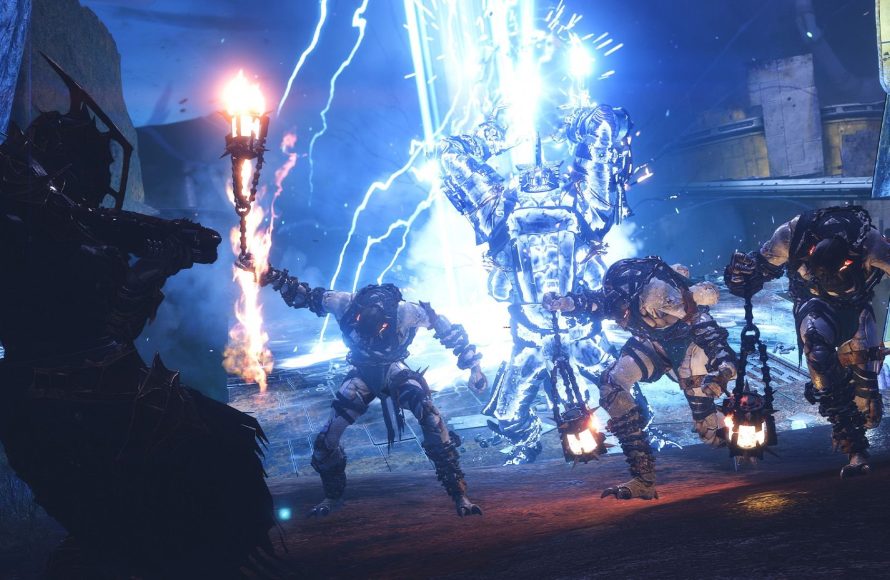
Approximately 6-8 hours of gameplay comprises the core game content in Scorn.
So, you are wondering how much game content is in Scorn, right? It is a valid question when considering a purchase. The game offers a distinct and intense experience.
While Scorn focuses on atmosphere and puzzle solving, not sprawling open worlds, you should expect a relatively contained experience. The playtime varies, depending on your approach to puzzles.

How Much Game Content is in Scorn?
Okay, so you’re curious about Scorn and how much game you actually get for your money, right? It’s a valid question! Scorn isn’t like your typical action-packed shooter or sprawling open-world adventure. It’s a different beast altogether, a game that focuses heavily on atmosphere, puzzle solving, and a deeply unsettling, biomechanical world. So, let’s dive into the details and explore just what kind of content you can expect when you step into this nightmarish realm. We’ll look at everything from playtime and world exploration to the types of puzzles you’ll encounter.
A Journey Through Nightmares: Playtime and Structure
Scorn’s playtime isn’t measured in vast hours like some other games. Instead, it’s a tighter, more focused experience that can generally be completed within a range of six to eight hours for a first playthrough. Some players might finish it a little faster if they are particularly good at puzzles or have already seen it before, while others who like to explore every nook and cranny may take a bit longer.
The game is divided into acts, usually referred to as “scenes”, which are linked together. These are distinct areas of the world, each with their own unique look and puzzles. It’s not a continuous open-world in a traditional sense. Instead, it feels like you are progressing through connected, but distinct, chambers of a larger, terrifying mechanism. You move from one section to the next after you solve the particular puzzles it presents. The game also doesn’t have a lot of combat, emphasizing a focus on navigating the environment. Scorn isn’t about shooting waves of enemies; it is about surviving a strange and hostile world by understanding its twisted logic.
The World of Scorn: Exploration and Immersion
Scorn’s environment is central to the whole game. It’s not a backdrop; it’s a character itself. The designers made use of biomechanical art, inspired by the works of artists like H.R. Giger. The world is filled with fleshy, alien architecture, pulsating machinery, and organic technology. It all blends together to create a feeling of unease and mystery.
You, as the player, have to explore this environment to understand how it works, how to progress. The game often leaves you to your own devices, with no map, no guidance, and no clear objective. You need to look around, use what you find, and pay close attention to the details of the world to figure things out. This sort of exploration is essential to progressing.
Atmospheric Immersion: The detailed and unsettling art design draws you into the world. There are very few moments where you aren’t completely enveloped in the world’s atmosphere.
Interconnected Spaces: The scenes in Scorn aren’t just random areas; they feel interconnected, making you feel like you are progressing through a real location.
Environmental Storytelling: Rather than relying on cutscenes or dialogue, Scorn tells its story through the world itself. By exploring and interacting with the strange machinery and architecture, you begin to piece together what happened.
The Core Gameplay: Puzzle Solving and Progression
The main gameplay of Scorn revolves around solving environment-based puzzles. These aren’t your typical sliding tile puzzles; they are integrated with the world, forcing you to interact with strange devices and mechanisms. The puzzles come in all sorts of shapes and sizes. Some may involve figuring out how to activate alien machinery while others require you to manipulate objects to open new pathways. The game often throws you into situations that seem impossible at first, but careful exploration, and trial and error, are vital to move forward.
Types of Puzzles
Mechanism Activation: You’ll often encounter machines or devices that need to be activated in a specific way. This may involve connecting parts, inputting codes, or finding the right combination of switches.
Object Manipulation: Some puzzles require you to manipulate or carry objects, placing them in certain spots or using them as tools.
Environmental Navigation: Figuring out how to get from one area to another is sometimes a puzzle in itself, requiring you to find hidden paths or discover clever ways to overcome obstacles.
Trial and Error: Many of the puzzles in Scorn don’t immediately present a solution. You’ll need to experiment, try different things, and learn from your mistakes. The game expects you to explore and tinker.
Scorn also involves some elements of combat, but these aren’t the focus. You have weapons, but the game uses them more sparingly, primarily in specific, often tense scenarios. Think of it as a survival tool rather than a means to attack every living thing you come across. It adds a layer of danger and makes exploration feel more tense, but it’s not like an action game where you are regularly fighting enemies. The game focuses heavily on resource management.
Scorn’s Narrative: The Story Told Without Words
One of the most discussed aspects of Scorn is its storytelling – or rather, the lack of it in traditional ways. There isn’t any dialogue, no cutscenes with characters explaining the world, no journal entries to find. Instead, the game conveys its narrative through its environments, art design, and player interactions with the world.
The game lets you piece together the story based on what you see, which encourages interpretation and makes for a more personal experience. You may have many questions when you finish the game, but the intention is that you’ll create your own understanding of what happened. Many elements can be interpreted in many ways, which makes the game an engaging experience for those who enjoy thinking about the deeper meaning.
Visual Storytelling: Scorn’s world tells its story through the environments, the architecture, and the disturbing details.
Personal Interpretation: The lack of explicit storytelling lets you create your own meaning and understanding of the world.
Thematic Depth: The game deals with themes of creation, decay, and the nature of organic and mechanical life, which give it more depth than it first appears to have.
What Scorn Isn’t: Expectations Management
It’s important to understand what Scorn is not. It’s not an action-packed shooter with hordes of enemies to fight. It’s not an open-world game where you can freely roam wherever you want. It’s also not a game with a clear, easily understandable plot. Some players might feel that the content is limited compared to other games that offer more straightforward story elements or action.
Scorn is a unique experience that focuses on creating a specific atmosphere and feeling through environmental puzzles, exploration, and subtle storytelling. It’s designed to evoke a sense of unease and to make you think, and if you want a game like this, you’ll find a worthwhile experience. If you go into it expecting a typical action game, you might be disappointed.
Content and Replayability
So, after all that, how much “content” is in Scorn? While it may not have a ton of replay value from a gameplay standpoint, the experience itself is the content. The game encourages one playthrough as the focus to understand the world, so it may not provide a lot of replayability. This also depends on how much the player was engaged in the interpretation of the story.
Here’s a way to think about it:
First Playthrough: The core experience is around 6 to 8 hours, which is spent figuring out puzzles and exploring the environment.
Second Playthrough: It might be enjoyable to replay the game again with the knowledge you have to see the details you missed the first time.
Discussion Value: Scorn is a game that many players discuss and interpret, so the “content” may not end after the game itself.
Scorn is a deliberate, intense, and strange experience. It’s about the journey through its biomechanical nightmare world and interpreting its story.
The game doesn’t have a lot of different modes, or collectibles to gather, and it isn’t designed to be played over and over again like some other games. Instead, it offers a focused, single-player experience that is very detailed and engaging in terms of atmosphere and puzzle solving. It aims to provide a unique experience rather than something with lots of different modes.
Scorn focuses very heavily on its atmosphere and the puzzles that are woven into its design. It’s not the type of game where the amount of content is measured in hours or number of levels, but rather the depth of engagement and impact of the experience it creates.
In conclusion, Scorn offers a focused and atmospheric experience, where the game content is less about sheer quantity and more about quality of the environmental design, puzzles, and unique storytelling approach. It’s a game designed to be experienced rather than “played” in the traditional sense. While the playtime may be shorter than some other titles, the impact of the experience can linger, encouraging discussion and a deeper appreciation for its strange and unsettling world.
Scorn: The Story Explained
Final Thoughts
Scorn offers a focused, atmospheric experience. The game’s length hinges on player puzzle-solving speed. It isn’t a sprawling open world title; it is linear and concise.
Gameplay emphasizes environmental storytelling and indirect narrative. Players explore interconnected areas, resolving challenges to advance. The question of ‘how much game content is in scorn’ becomes subjective.
Ultimately, Scorn is about its impactful, brief journey. The core experience is not about endless hours but its immersive quality. Therefore, the game’s must value lies within its art style and atmosphere.

