
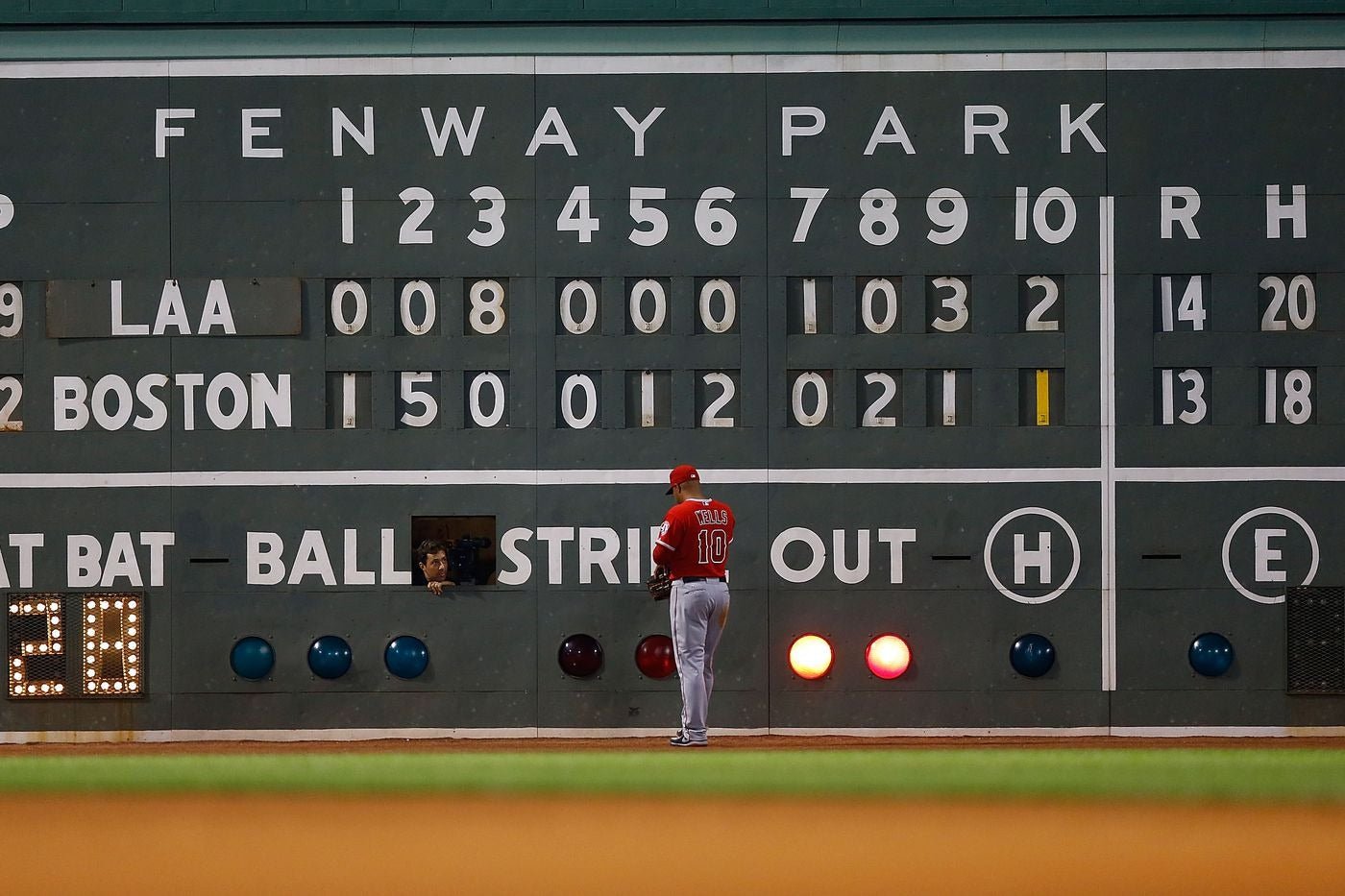
A standard baseball game has 9 innings.
Ever found yourself wondering how long a baseball game truly lasts? You might be watching and get caught up, thinking about how much innings are in a baseball game. It’s a simple question with a straightforward answer.
Most professional games stick to this format, but what happens if it’s tied? Sometimes you may see extra innings played for a result and the game can then go beyond the regular amount. These extra innings mean that the game can go on longer to have a winner.

How Many Innings Are in a Baseball Game?
Okay, let’s talk about baseball! You probably know that baseball games have these things called innings, but how many are there exactly? It’s a super important part of the game, and it’s what makes baseball, well, baseball! So, let’s dive in and learn all about the innings that make up a game. Get ready to understand the heart of baseball and the important role that each inning plays.
The Standard Nine Innings
The most common answer to “how many innings are in a baseball game?” is nine. A standard, regulation baseball game is made up of nine innings. This means that each team gets a chance to bat and play defense nine different times. It’s like taking turns in a big, exciting game of tag, but with bats and gloves! Think of it as nine chapters in a book that tell the story of the game.
What Happens in an Inning?
An inning is split into two parts: the top and the bottom. In the top of the inning, the visiting team bats. They try their best to hit the ball, get on base, and score runs. Once they have three outs (meaning three players on their team are out), the inning switches over to the bottom half. In the bottom of the inning, the home team gets their turn to bat and try to score. When they also have three outs, the inning is over. Then, it’s time for the next inning to start!
- Top of the Inning: Visiting team bats until they get three outs.
- Bottom of the Inning: Home team bats until they get three outs.
This back-and-forth pattern is how the game progresses. The back-and-forth nature creates a rhythm for the game. Teams strategize and make adjustments as the game unfolds, making each inning a chance to change the outcome.
What if the Score is Tied After Nine Innings?
Now, what happens when the game is tied after all nine innings? This is where things get interesting! If the score is tied after nine full innings, the game goes into extra innings. In these extra innings, the teams continue to play full innings until one team scores more runs than the other at the end of the inning. This adds extra excitement because no one knows how long the game will last!
Extra Innings: The Thrill of the Unexpected
Extra innings mean more opportunities for exciting plays, close calls, and dramatic moments. Players and fans feel the tension build with each additional inning. These added innings often become very memorable, and some of the most famous baseball games in history have gone into extra innings. The atmosphere is electric, everyone focused and wanting their team to come out on top.
How Many Extra Innings Can There Be?
There is no limit to the amount of extra innings that can be played. A game can go on for 10, 11, 12, or even more innings, until one team finally wins. The record for the longest professional baseball game is 26 innings! Now that’s a lot of baseball, and players and fans must have been exhausted.
Variations in Innings
While nine innings is standard for professional and high school baseball, it’s not always the case. In youth baseball or different leagues, you might see games with fewer innings. Let’s look at some common variations:
- Little League Games: Games for younger players often have six innings instead of nine. This helps keep the game a good length for younger attention spans. This lets the kids play, learn, and have fun, without it being a marathon.
- Some Softball Games: Games for softball might be different, using seven innings in a normal match. Softball has a different gameplay structure which works well with this variation.
These shorter games are designed to be more appropriate for different age groups or different versions of the game. This allows more people to participate and enjoy the sport. The number of innings can change, but the basic concept of innings and taking turns remains the same.
The Importance of Innings
Why are innings so important to baseball? Well, they provide the structure of the game. Innings are the way the game is divided up into equal parts, so both teams have the same amount of chances to score. It gives a sense of order and fairness to the game. Also, innings give a chance for strategies to unfold. Coaches and players can adapt their plans with each new half-inning, creating a dynamic interplay within the match. This gives chance to each team to come out on top. The rhythm of the game, changing between offense and defense every half-inning, creates a unique experience for everyone involved.
Strategic Play Within Innings
Each inning gives players and coaches the chance to adjust their strategies. For example, in the early innings, teams may focus on trying to get a lead and establish their dominance. As the game goes on, especially in later innings, they might focus on defense or making a late-game comeback. Managers also make crucial decisions, for example, when to bring in a relief pitcher or which hitter to send up to bat based on game situations. The strategic thinking within innings makes the game very entertaining to watch.
The Drama of Late Innings
The later innings of a game, often known as the “late innings,” can be some of the most exciting parts. With fewer opportunities left, the pressure builds. Every single run, every at-bat, every play matters more. It’s often in the late innings that we see dramatic comebacks, clutch hits, and game-winning plays. This creates unforgettable moments for both players and fans, and it is often why people love the sport. This is one of the things that makes baseball so unpredictable and fun to watch.
Understanding Baseball Scorekeeping
Understanding how innings connect to scorekeeping is essential to understanding the game. In baseball, scores are recorded on a scorecard or scoreboard, showing runs scored within each inning. For example, if a team scores two runs in the first inning, the scoreboard would show ‘2’ in the ‘1st’ column for that team. This allows everyone watching to see the progress of the game and who’s winning at a glance. Keeping score this way is a great way to follow along with the action and allows us to see how each inning contributes to the overall score of the game.
The Scoreboard: Telling the Story of the Game
A scoreboard, whether digital or traditional, is a fundamental part of the game. It clearly displays the score of each team in each inning, the current inning, and other important info. For baseball fans, the scoreboard is not just a way to keep track of the scores. The scoreboard displays how the game is moving and what could happen next. Fans usually use the scoreboard to understand if their team needs to score more, or if the rival team is coming back from behind. The way the score changes with each inning is a real treat to watch.
Using Scorecards
Scorecards are used to track individual player statistics and game events. Some fans still use scorecards to record hits, outs, and errors during the game. This gives them an even better understanding of the strategies and key events in the game. It is a tradition and a way to connect even deeper with the game. These written scorecards act as personal records of the games you have watched or even played. Scorekeeping becomes a way to analyze the game’s flow and the player’s performance.
Why Not a Set Time?
You might be wondering why baseball games are decided by innings instead of a set time limit like in some other sports. The reason for this is that the number of innings gives each team an equal opportunity to bat and score. If it were based on time, one team could end up batting more or less than the other, making it unfair. Using innings, ensures that both teams get the same chance, and it makes the game exciting and unpredictable. Each inning is a new chance and a new challenge.
Strategic Decisions Based on Innings, Not Time
With innings, coaches and players must change their strategy based on the number of innings left in the game. They may also be strategic based on what score the teams are at. This strategic element gives the game an exciting dimension that a simple time limit could not provide. This reliance on innings creates a strategic chess match between managers and teams that is part of baseball’s enduring charm.
The Flow of the Game
The rhythm of the innings is a core part of baseball’s unique experience. The ebb and flow between offense and defense provides a balanced structure to the game. This rhythm allows both the players and the audience a chance to mentally prepare for the change in the game play. It is because of this rhythm, that it is very exciting to watch a baseball game.
So, now you know – a baseball game typically has nine innings, but if the score is tied, it goes into extra innings. It’s all part of what makes baseball such an interesting and exciting sport to watch and play. The structure of the innings gives the game both a sense of fairness and unpredictability. From the first pitch to the last, every inning has a chance to become a memorable part of baseball history.
How Baseball Innings Work
Final Thoughts
A standard baseball game features nine innings. Each team bats until they make three outs within each inning. This format remains consistent across most levels of professional baseball.
Understanding how much innings are in a baseball game is crucial for any fan. The nine-inning structure defines the game’s duration. If a game is tied after nine innings, they go into extra innings.

