
The cost of a small game license in Wisconsin is $20 for residents and $85 for non-residents.
Planning a hunting trip in Wisconsin? You’re probably wondering how much is a small game license in Wisconsin. Figuring out the exact cost can sometimes feel tricky, with different resident and non-resident options.
We’ve simplified it for you. This post breaks down the specific cost for obtaining the required license to legally enjoy small game hunting in Wisconsin. Get ready for the great outdoors!

How Much is a Small Game License in Wisconsin?
Getting ready for some fun in the Wisconsin woods? If you’re planning to hunt small game, like squirrels, rabbits, or pheasants, you’ll need a license. But how much does a small game license actually cost in Wisconsin? It’s a great question, and the answer is a little more detailed than just one number. Let’s break down everything you need to know about the price of small game hunting licenses in the Badger State.
Understanding Wisconsin Hunting Licenses
First, it’s important to know that Wisconsin’s hunting license system isn’t one-size-fits-all. There are different types of licenses, and the cost depends on who you are and what you plan to hunt. We’re focusing on small game, but even within that category, there are variations.
Residency Matters
One of the biggest factors affecting the price of a license is whether you’re a Wisconsin resident or not. Residents generally pay much less for licenses than non-residents. The state wants to make it easier for people who live there to enjoy its outdoor opportunities. Proving residency is usually done with a valid Wisconsin driver’s license or state ID card.
What is considered a Wisconsin resident?
A Wisconsin resident, for the purposes of hunting and fishing licenses, is someone who has lived in the state for at least 30 consecutive days before applying for a license. This also means you must have a valid driver’s license or state-issued identification card showing a Wisconsin address. The rules are in place to make sure that only people who truly consider Wisconsin home benefit from the resident pricing.
Types of Small Game Licenses
Let’s dive into the specifics of small game licenses. There are a few options available depending on your hunting preferences.
Small Game License
The basic small game license is what most people think of when they want to hunt these types of animals. This license allows you to hunt animals like:
- Squirrels (gray, fox)
- Rabbits (cottontail, snowshoe hare)
- Pheasants
- Quail
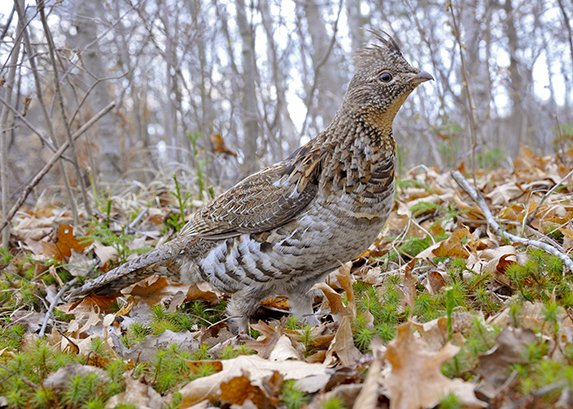
- Ruffed grouse
- Other legally hunted small game birds and animals
This is the most common option for those interested in a variety of small game species. It’s a great starting point for new hunters. It’s important to check the regulations for specific bag limits and season dates for each species.
Small Game Stamp
In addition to the base small game license, you might need to buy stamps. A stamp is like a sticker that goes on your license. The most common stamp that some small game hunters will need is the pheasant stamp. So, if you are specifically planning on hunting pheasants, you’ll need this stamp in addition to your base small game license. Think of it as a permit to hunt a particular type of game. Some areas also require special stamps, so it’s always best to check with the Wisconsin Department of Natural Resources (DNR) regulations before heading out into the field.
First-Time Buyer Discount
Wisconsin offers a special bonus to those getting their first-ever hunting license. It’s usually a discounted price. The program is designed to encourage more people to get involved in hunting. If you’re new to the sport, make sure to check if you qualify for this discount when you apply for your license.
Cost Breakdown for Residents
Okay, let’s get down to the actual numbers. Remember, these prices can change slightly each year, so it’s always best to confirm with the DNR before purchasing. But this will give you a good idea.
Resident Small Game License Cost
For a Wisconsin resident, the base small game license is relatively affordable. Typically, you can expect to pay somewhere in the range of $18 to $20 for the base license. This cost has remained relatively stable over the years but it is still advisable to visit the official Wisconsin DNR website for current pricing.
Resident Pheasant Stamp Cost
If you plan to hunt pheasants, you’ll need that extra pheasant stamp. This stamp typically costs an additional amount. It’s typically somewhere in the range of $10 to $12. Again, this is an additional cost on top of your base small game license.
Resident First-Time Buyer Cost
If you are a first-time license buyer, this is great news, and a great way to get started. In this case, the cost could be reduced, often by as much as 50% of the price. That means that you might pay less than $10 for your first hunting license. A pheasant stamp, if required, will still have a cost.
Example of resident cost
Let’s say you are a resident and you want to hunt squirrels and pheasants. You would need the resident small game license ($20) and the pheasant stamp ($12), bringing your total to $32. If you were only going to hunt squirrels, you could skip the stamp and only pay $20.
Cost Breakdown for Non-Residents
Non-resident hunters will see a significant difference in license fees. The cost is higher because non-residents aren’t paying state taxes that support conservation efforts in the state. It’s a way of making sure everyone contributes fairly to the upkeep of Wisconsin’s wildlife.
Non-Resident Small Game License Cost
A non-resident small game license will cost much more than the resident version. You might pay in the range of $80 to $90 for this license. It makes a big jump from the resident price, so it’s important to factor that in when planning your hunting trip.
Non-Resident Pheasant Stamp Cost
Just like with residents, a pheasant stamp is required if non-residents plan to hunt pheasants. The price for a non-resident pheasant stamp is often similar to the resident cost, so it might be in the range of $10 to $12. The main difference in cost is in the base license.
Example of non-resident cost
If you are from out of state and you want to hunt rabbits and pheasants, you’ll need the non-resident small game license (approx. $90) and the pheasant stamp (approx. $12), for a total of about $102. If you only plan on hunting rabbits you could skip the stamp and pay about $90.
Where to Purchase Your License
Okay, so you now know how much it might cost. Where can you buy one? There are several options available for purchasing your Wisconsin small game hunting license.
Online
The easiest and most common way is to buy your license online through the Wisconsin Department of Natural Resources website. The website is very user-friendly. You’ll need your personal information, payment information and a printer. You will be able to download and print your license instantly. It is very convenient and works well.
In Person
You can also buy your license in person at various authorized locations, such as:
- DNR Service Centers
- License Vendors (sporting goods stores, some gas stations, etc.)
Buying in person can be helpful if you have questions about the license requirements or if you prefer a paper copy. The staff can also help you with filling out the paperwork and understanding the rules. It can be very beneficial to new hunters.
By Phone
You can also purchase your license over the phone. The DNR’s phone number is available on their website. It is convenient if you do not have access to a computer, but prefer to not go into a store. The DNR representative will complete the application for you, and it is sent to your address.
Other Important Things to Know
Before you head out to hunt, there are a few more things you should know about Wisconsin’s small game hunting rules.
Regulations
It’s very important to read the Wisconsin Hunting Regulations pamphlet carefully before you go into the woods. This document contains information about:
- Seasons and dates for hunting different game.
- Legal hunting times (usually during daylight hours).
- Bag limits (how many animals you can harvest).
- Legal hunting methods (firearms or archery restrictions).
- Public and private land rules.
Ignoring these regulations can lead to fines or loss of hunting privileges. Every hunter has the responsibility to be aware of the rules.
Hunter Safety Course
In Wisconsin, anyone born on or after January 1, 1973, must have completed a hunter education course and received a certificate of accomplishment before purchasing a hunting license. There are some exceptions, but this rule ensures that all hunters are aware of safe hunting practices. Even if you are not required to have the hunter education certificate, it can be helpful to take the course and learn about safe hunting practices.
Required Gear
Hunters will need some basic gear, including hunting clothes that may be blaze orange to make them visible to other hunters. A hunting license, the appropriate stamp, and the proper gear is very important for a safe and successful hunt.
License Validity
Most licenses are valid from April 1st of the current year through March 31st of the following year. Be sure to check when the license expires and purchase a new one if you want to keep hunting. The expiration date is printed on the license, and available online when you purchase it.
Support Conservation
Your license fees are not just going to the DNR’s budget. They are essential for funding conservation efforts, habitat improvements, and wildlife management. When you purchase a license, you are also helping to keep Wisconsin’s lands and animals healthy for everyone to enjoy.
So, as you can see, the cost of a small game license in Wisconsin is a bit more complicated than just one simple number. It varies depending on your residency and what you plan to hunt. The cost, however, is very reasonable when you consider the opportunity to experience nature and the wonderful outdoor opportunities. Remember to check with the Wisconsin DNR for the latest prices and regulations, and get out there and enjoy Wisconsin’s great outdoors!
How do you get a Fishing/Hunting license? What to do first
Final Thoughts
The cost for a small game license in Wisconsin varies based on residency. Residents pay a different rate than non-residents. This price also changes annually, it’s best to check the Wisconsin Department of Natural Resources website for current rates.
Therefore, the answer to the question ‘how much is a small game license in wisconsin’ depends. You must confirm the specific cost before purchasing your license each year.

