
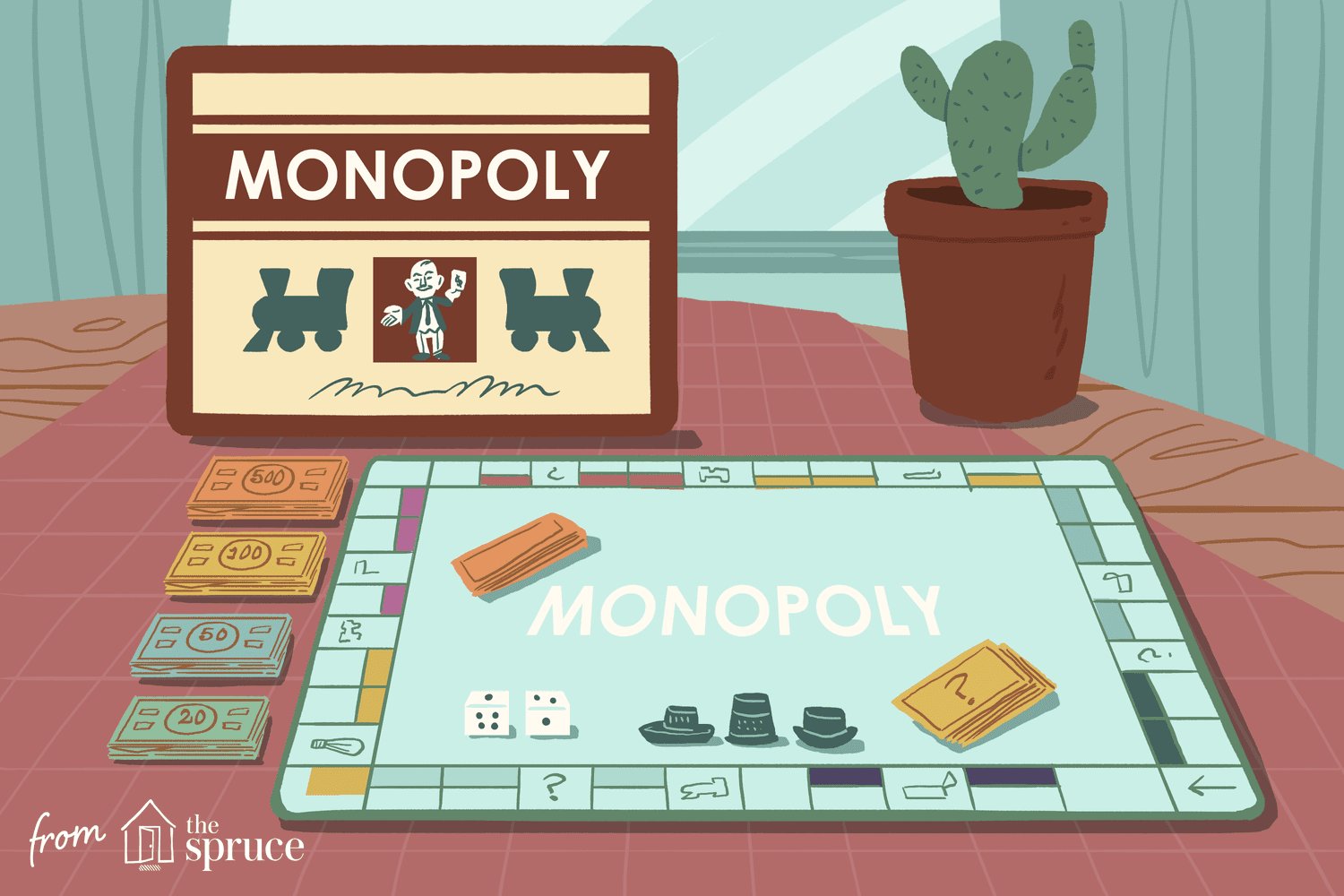
The value of an original Monopoly game varies greatly, ranging from a few dollars for well-used versions to thousands for rare, pristine editions. Factors like the edition, condition, and inclusion of original components greatly impact how much an original Monopoly game is worth.
Have you ever wondered just how much that old board game gathering dust in your attic is actually worth? Specifically, we’re talking about the classic Monopoly. The question, “how much is original monopoly game worth,” often pops up among collectors and casual game enthusiasts alike. It’s not always a simple answer because many factors influence its value.
The specific version, its condition, and whether it includes all its original pieces dramatically shifts the price. A slightly worn, common edition won’t fetch a fortune. But a very early, well-preserved set can be surprisingly valuable.

How Much is an Original Monopoly Game Worth?
Figuring out how much an original Monopoly game is worth can be like exploring a treasure map! It’s not as simple as looking at the price tag on a new board game. Several things can change how much an old Monopoly game is worth. Let’s dive into the exciting world of vintage Monopoly and see what makes some sets so valuable.
Understanding What Makes a Monopoly Game “Original”
First, we need to know what we mean by an “original” Monopoly game. It’s not just any old Monopoly set you find in the attic. Generally, when people talk about an original Monopoly game, they are referring to the sets produced in the early years, particularly those from the 1930s and 1940s. These are the ones that often carry the highest values among collectors.
The Early Days of Monopoly: A Quick History
Monopoly, as many know it, wasn’t always the same game. Before Parker Brothers took it over, the game had a few versions, like “The Landlord’s Game,” created by Lizzie Magie. The game as we know it, was then popularized by Charles Darrow. Parker Brothers officially started selling Monopoly in 1935, and the early editions from this time are very sought-after. Knowing this history helps us understand which sets are considered “original.” Darrow’s design is a crucial element in evaluating the “original” status of a game.
Key Features of an Early Monopoly Game
Here’s what to look for when identifying an early edition of Monopoly:
- The Box: The box is one of the first things to examine. Original boxes are often made of thicker cardboard and may have different artwork than later versions. Early boxes might have a more basic design and label. Pay attention to the materials, the colors, and the way the information is presented on the box.
- The Game Board: Early game boards often have a specific layout, with particular street names and font styles. The quality of the board material itself can also indicate its age. Look for differences in color and how the different spaces are printed.
- The Pieces: Early game pieces, like the metal tokens, have unique characteristics that can help date the game. There can be variations in the type of metal used, the weight, and the details of each token. The houses and hotels also might be made of different materials or colors.
- The Money: The paper money can be a good way to judge the age of the game. Look for differences in the color, paper quality, and printing style compared to modern Monopoly money. The denominations might also be different in the earliest editions.
- The Cards: The Chance and Community Chest cards from older versions might have different wording, images, or even different designs. These can provide clues to the game’s vintage. Compare the card stock and the overall look of the cards to later editions.
Factors Influencing the Value of a Monopoly Game
Now that we know what an “original” Monopoly might look like, let’s look at the things that affect its worth.
Condition, Condition, Condition
Just like with anything collectible, the condition of the Monopoly game plays a huge role in how much it’s worth. A game in mint condition, meaning it looks like it was just taken out of the store, will be worth much more than one that is well-loved and shows heavy wear. Here’s what collectors look at:
- Box Condition: Is the box torn, crushed, or faded? Are the corners intact, or have they been taped up? A box in good shape is a big plus.
- Board Condition: Is the board warped, ripped, or stained? A flat, clean game board is preferred.
- Piece Condition: Are all the pieces there? Are the tokens, houses, and hotels in good shape? Are they all the original pieces? Missing or damaged parts can lower the value.
- Card Condition: Are the cards clean and undamaged? Are there any cards missing or bent? Complete and clean card sets are necessary to obtain higher prices.
- Money Condition: Is the money wrinkled, torn, or faded? A crisp, complete set of bills is very beneficial to have.
A set that’s been sitting in a dusty attic for years is not likely to fetch as high a price as one that’s been carefully stored and preserved.
Rarity: How Many Were Made?
The number of games made can also affect value. If a particular edition had a very limited print run, it might be much more difficult to find and, therefore, more valuable. Certain editions were only available in certain areas or for a limited time, which adds to their rarity. Knowing these limited releases can turn a regular Monopoly game into a valuable collectors’ item.
Edition or Variant: Not All Monopolies Are Created Equal
Over the years, there have been many different versions and special editions of Monopoly. Some of these, especially the early or unusual ones, are particularly appealing to collectors. Special themed editions, like those featuring local landmarks or pop culture tie-ins, can have their own devoted fans and may be worth more than their standard counterparts.
Determining the Actual Value: Where Do You Look?
So, you’ve got an old Monopoly game and want to know what it’s worth. Where do you start looking for answers? Here are several ways to approach finding the value of your game:
Online Marketplaces: A Good Starting Point
Websites like eBay, Etsy, and other online marketplaces can give you a sense of what similar games have sold for recently. Looking at completed listings can show how the condition and rarity of a game affects its value. Be sure to carefully analyze the descriptions and images of listings, and pay close attention to the overall conditions and components included.
Collector Guides and Price Databases: Expert Information
There are resources and books designed specifically for board game collectors. These books will provide information about different editions and typical prices. Price databases on the internet can offer estimates, but these are just guides, not guarantees. These resources can be a wealth of information, especially when you’re trying to understand the intricacies of vintage Monopoly editions. They often go into deep detail about specific versions and their values.
Antique Stores and Auction Houses: Seeking Professional Help
If you think you have a particularly rare or valuable Monopoly game, it might be wise to consult an expert at an antique store or auction house specializing in collectibles. They can give you a professional opinion and might even assist you in finding a buyer if you choose to sell the game. Their experience in handling these types of items can be invaluable.
Social Media and Collector Forums: Community Knowledge
Board game collector groups and forums on platforms like Reddit or Facebook are also great places to ask questions and find out more about your specific Monopoly game. These online communities are full of experienced collectors who can offer insight and sometimes provide valuations. Connecting with fellow collectors not only gives you specific information about your game, it also provides a social community, making this hobby fun and interactive.
Examples of Valuable Monopoly Games
While it’s hard to give an exact price without seeing your specific game, let’s look at some examples of what can make a Monopoly game valuable:
The 1933 Original: A Rare Find
The very earliest edition from 1933 that came with hand-drawn boards and hand-cut game pieces is the most valuable type of Monopoly game you can find. They were produced in very small numbers, often by Charles Darrow himself. These are extremely rare and can fetch a significant amount when found in good condition at auction or to collectors. These sets are not mass-produced, and many were made individually by the original creator. They are the gold standard of collecting Monopoly games.
Early Parker Brothers Sets from the 1930s and 40s
The Parker Brothers versions from the 1930s and 1940s are also highly sought after, especially if they have unique features like wooden pieces or different currency designs. These were produced before significant changes were made to the game pieces, board, and cards. Collectors often seek the variations among different printings of these early editions.
Special Edition Sets
Some special edition Monopoly games can be surprisingly valuable, especially if they were produced in small numbers or have a unique theme that resonates with many collectors. Limited edition versions, those produced for specific events or locations, and those with unique characters or gameplay elements can see significant value increases because of rarity or demand.
Variations in Pieces and Packaging
Some seemingly small variations, such as different metal tokens, wooden houses, or unique packaging designs, can make an edition far more valuable than others. Collectors often look at very minute details that most would overlook. These can include subtle color differences, slight changes in card stock, or variations in the printing quality. These differences, no matter how small, add to the rarity of a specific game.
Practical Tips for Preserving Your Monopoly Game
If you’ve got an old Monopoly game, whether you think it’s valuable or not, it’s helpful to store it properly. This will keep it in good shape for your personal enjoyment, or could help maintain its value if it does turn out to be rare. Here are a few tips to follow when storing your vintage Monopoly game.
Keep it Dry and Away from Direct Sunlight
Damp environments can cause mold and mildew, which will damage the game and the box. Direct sunlight can cause fading of colors on the box, board and other paper parts, it can even make them brittle over time. A cool, dark, and dry spot is the best place to store your Monopoly game.
Protect it from Physical Damage
Stack your games carefully, keeping them away from heavy objects that could crush the boxes. Wrapping individual components in soft material, like acid-free paper or tissue paper, can help prevent scratching or damage. If you want to keep it protected over time consider plastic covers specifically designed for storing boxes.
Keep All the Pieces Together
If you decide to play it, make sure to keep all of the pieces together so you don’t lose any. Using small bags to keep the tokens, houses, hotels, and money separate can prevent loss. Taking care to carefully put all pieces back into the box is a simple way to ensure nothing goes missing.
Taking care of your Monopoly game ensures it will remain in good condition, whether it is a modern version or a vintage set. Preserving the game not only helps collectors maintain the value but allows for future generations to enjoy them. By taking simple steps in storage and handling, a Monopoly game can stay in great shape for a long time.
Determining the value of an original Monopoly game involves understanding its history, examining its condition, and researching its particular features. While not every old Monopoly is worth a fortune, some are highly valued by collectors and historians. By doing a bit of homework and taking good care of your set, you can keep a piece of gaming history alive.
How Much Are Old Monopoly Games Worth? – The Board Game Xpert
Final Thoughts
The value of vintage Monopoly games varies greatly. Condition, edition, and completeness significantly impact the price. Early editions, especially those from the 1930s, often command higher prices.
A pristine, first-edition set can fetch thousands of dollars. Conversely, later or incomplete versions are worth much less. So, how much is original monopoly game worth? Its value depends on a careful evaluation.

