
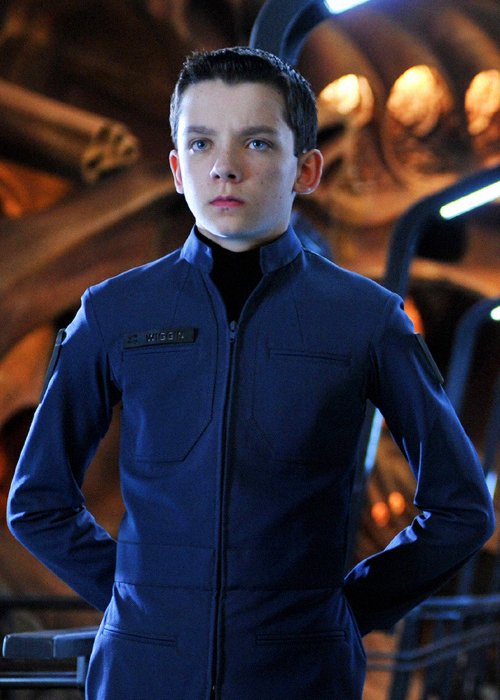
Ender Wiggin is six years old at the start of Ender’s Game.
Ever wondered about the age of the brilliant strategist, Ender Wiggin, in Orson Scott Card’s Ender’s Game? The question, ‘how old is ender in enders game’ often arises for new readers. It is quite significant considering what he achieves.
The narrative begins with a very young Ender being removed from his family. This pivotal moment sets the tone for his journey. His childhood experiences and intense training are so central to the story.

How Old is Ender in Ender’s Game?
Let’s dive deep into the question that has intrigued many readers and viewers: how old is Ender Wiggin in “Ender’s Game”? It’s not a simple answer, as Ender’s age changes throughout the book. We’ll explore his age at different key points in his journey, helping you understand the timeline of this science fiction classic. The age of Ender is an important factor in understanding the story and how impressive his achievements actually were. We also need to consider why a child is put through so much stress and how this impacts his development.
Ender’s Age at the Beginning of the Story
When the story of “Ender’s Game” first begins, Ender Wiggin is only six years old. Yes, you read that right! He’s a small boy being closely watched by the International Fleet. We get the feeling he’s a little different, a bit special. The International Fleet, worried about the threat from the buggers, wants the very best minds to be trained in military strategy. They see something in Ender that could help save humanity, even though he’s only a child. His family situation is also a crucial factor at this point, particularly the presence of his older siblings: Peter and Valentine. His unique abilities and a troubled childhood with an older brother named Peter set him apart from other children his age. Ender’s life at six is far from normal.
The Removal of the Monitor
The first sign of something special about Ender is his monitor removal. This isn’t a physical monitor you would wear on your wrist. Instead, it’s a device implanted at the base of his skull that monitors his every move and thought, as well as a way for the government to study his behavior. When they take it out, it’s like they’re saying, “Okay, we’ve seen enough. This kid might be the one.” This significant event marks the true beginning of Ender’s journey. Ender feels a sense of liberation from the constant monitoring but also a sense of being isolated and different from other kids.
The Playground Incident
Even before he is selected for Battle School, Ender’s life is far from normal. At school, he faces bullying from a boy named Stilson. He ends up harming Stilson, demonstrating his ability to be ruthless and decisive even at a young age. This is a turning point that attracts the attention of the International Fleet. The incident at the playground, though violent, shows Ender’s strategic thinking and his willingness to use force when needed. This incident also shows the complexities of Ender’s character and how he struggles with feelings of isolation and violence, even at the very start of the story. He doesn’t want to hurt anyone, but he’s also not willing to become a victim.
Ender’s Age at Battle School
After the playground incident, Colonel Graff arrives to take Ender away to Battle School, located on a space station. Ender is still just six years old when he leaves Earth. Going to Battle School is a huge change for a kid who just started the first grade. But at this school, it’s not about reading and writing; it’s about strategy and fighting simulations, all focused on training children to become military commanders. He’s thrown into a world where the games he plays are like real battles, and the friends he makes are also his teammates. In Battle School, his age, six is a huge factor, showing how talented, and intelligent the child is. It’s also a little concerning, that such a young kid needs to go through so much training.
The Battle School Experience
Life at Battle School isn’t easy. Ender is constantly challenged, both mentally and physically. He learns new strategies, leads his team, and always pushes himself to be better. The games in Battle School are designed to simulate actual combat with the buggers, giving the children the experience they need to command real fleets when they are older. His interactions with other kids, the challenges he faces, and his rapid intellectual and emotional growth all highlight the intense environment in Battle School. Ender is treated both as a child and a military prodigy, adding to the complexity of his journey.
The Progression Through Ranks
Throughout his time in Battle School, Ender rapidly progresses through the ranks. He is promoted at an alarming pace, something no one has ever seen before. This rapid advancement emphasizes his extraordinary abilities and strategic mind. He also learns how to manipulate and outmaneuver his superiors. The Battle School is not just about learning to fight; it’s also about learning to lead, to be cunning, and to anticipate your enemy’s moves. Ender’s growth, from a small, isolated boy to a commander is a testament to the system’s effectiveness and to Ender’s brilliance.
Ender’s Age at Command School
After his amazing performance at Battle School, Ender is moved to Command School. He is around nine years old at this time. Command School is where he will learn to use the simulations on a larger scale, commanding whole fleets of ships. The jump from Battle School to Command School is significant. It means taking on responsibility for the lives of other people and making decisions that can impact the entire war. This stage is when the weight of the world really starts to fall on Ender’s shoulders. Even though he is still just a child he is treated as an adult commander.
The Final Exam
Ender’s training at Command School culminates in his “final exam.” He believes it is another simulation. But it is revealed later that it’s the actual battle against the buggers. He leads the entire human fleet, winning the war without ever realizing the true nature of the battle. This battle, disguised as a simulation, is an enormous deception played upon a child. He is given more responsibility than any other child. He is the one to decide the fate of humanity. The “exam” reveals the moral complexities of the war and the weight of Ender’s responsibilities.
Ender’s Psychological Burden
Throughout this entire time, the enormous pressure and responsibility take a toll on Ender. He is only a child, but he carries the weight of the world on his shoulders. He questions whether he made the right decisions. The stress and isolation cause emotional and psychological harm, especially when he learns he destroyed the Bugger homeworld. His experiences during battle school and command school highlight the ethical concerns of using children as soldiers. He starts to question the morality of his actions, despite his success in the war. Ender’s emotional and psychological struggle is a crucial aspect of the narrative and shows the cost of war and the importance of childhood.
Post War and Ender’s Age
After the war, Ender is no longer a child. He is now 10 years old and a very different person. He has experienced more war, battles, and strategizing than most adults ever do in their entire lives. Even though he has won the war, he’s not a hero. He has the trauma of killing many sentient beings, even though he thought he was just playing games. His moral compass is completely twisted due to the manipulation he experienced.
Ender’s Journey After Victory
Following the victory, Ender struggles to come to terms with the truth about the war. He learns he was just a pawn in a bigger game. He never asked for this responsibility. He searches for meaning and begins to understand the depth of the trauma he has faced. Ender then begins his journey to find a purpose beyond war. He is given the chance to travel to other planets, allowing him to grow and understand more. This is a big change from being isolated at Battle School. He finally sees the bigger world.
The Significance of Ender’s Age
Ender’s age throughout the entire story is a critical theme in “Ender’s Game.” It highlights the exploitation of children in warfare and the moral questions that follow. He’s put in difficult positions and made to make decisions that no child should ever have to make. Ender’s journey serves as a commentary on war, power, and the importance of protecting childhood. His age also emphasizes his extraordinary talent and the extraordinary circumstances of his life. He is forced to mature quickly, but the emotional wounds from this experience linger. His growth, both as a strategist and as a person, is remarkable. Ender’s age and how young he was at various milestones in the book underscore the extraordinary nature of his story.
Timeline of Ender’s Age
To quickly summarize, here’s a simple timeline of Ender’s age throughout the story:
- Start of the Story: 6 years old
- Departure to Battle School: 6 years old
- Arrival at Command School: Around 9 years old
- End of the War: 10 years old
The Impact of Ender’s Age on the Story
The fact that Ender is so young when he experiences such intense situations really makes us think about the themes of the book. It makes us question the decisions made by the adults, and it shows us how war and trauma can affect a child. The fact that Ender is so young when all of this happens also highlights how extraordinary his talents and skills are, that a mere child can outsmart adults. The age is not just a fact, it is a tool the author uses to make us think about deeper moral questions.
Ender’s journey is not just about winning the war; it’s also about a child navigating a world that’s too much for him to handle and the loss of his childhood. His story asks us to consider the cost of war, not just on the soldiers but also on those who might be too young to truly understand what they’re fighting for. Ender’s age serves as a powerful reminder of the importance of childhood and how it can be easily lost.
So, while he starts as a small boy of six, by the end of “Ender’s Game” he’s a ten-year-old who’s been through more than most adults. His age is central to the story, helping us understand his extraordinary journey and the moral complexities of war and childhood.
Did You Know In ENDER’S GAME…
Final Thoughts
Ender Wiggin begins battle school at just six years old. The books portray a rapid passage of time, compressing years of intense training. He matures fast under the pressure of war simulations.
Therefore, how old is ender in enders game? By the climactic battle, Ender is only around eleven years old. His young age belies his tactical genius, a fact that makes his achievements even more impactful. The author must have planned to emphasize on this child prodigy aspect of ender.

