
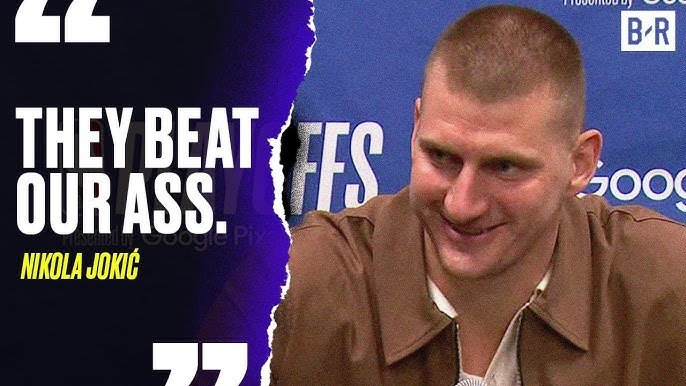
Accepting a loss in a game involves acknowledging the outcome, reflecting on the experience, and moving forward without dwelling on negativity.
Losing, it’s a part of life and it certainly stings sometimes especially in a game. The frustration, the disappointment – it’s all very real. But here’s the thing, learning how to accept a loss in a game is actually a really valuable skill. It’s not about pretending it didn’t happen; it’s about how you react afterward.
Instead of letting a loss bring you down, think of it as a chance to learn. What could you have done differently? This can help in the next game you play. You will get better with these experiences.

How to Accept a Loss in a Game
Losing a game. It’s a feeling nobody truly loves, right? Whether it’s a board game with family, a video game online, or a big sports match, that sting of defeat can be tough. But here’s the thing: learning how to accept a loss is a really important skill, both in games and in life. It’s not just about saying “good game” (although that’s a great start!), it’s about understanding why you lost and how to grow from it. This isn’t about pretending you’re not sad; it’s about handling those feelings in a way that helps you become a better player and a stronger person. So, let’s dive into the how-to’s of accepting a loss.
Understanding Your Feelings
Okay, first things first: it’s completely okay to feel disappointed, sad, or even a little angry after you lose. These feelings are natural. Imagine you worked really hard at something, and it didn’t go the way you planned – that can feel really frustrating! Ignoring these feelings won’t make them go away; in fact, they might get bigger.
Recognizing the Emotions
The first step is naming what you’re feeling. Are you feeling frustrated that your moves didn’t work? Are you feeling envious of the winner’s skills? Or maybe you’re simply sad that the game is over? Here’s a small table that might help you pinpoint those feelings:
| Emotion | What it might feel like | What you might think |
|---|---|---|
| Frustration | Clenched fists, feeling tight inside | “This is unfair!” or “Why didn’t that work?” |
| Sadness | Teary eyes, feeling down | “I wanted to win so badly” or “I’m not good at this” |
| Anger | Quick heart rate, feeling like shouting | “That person cheated!” or “I hate this game!” |
| Envy | Feeling jealous or longing | “I wish I was that good” or “Why can’t I do that?” |
It’s important to understand that experiencing these feelings is completely human. There’s no “right” or “wrong” way to feel after a loss. The important part is what you do with those feelings.
Allowing Yourself to Feel
Once you’ve named your feelings, give yourself a little time to actually feel them. Don’t try to push them down or pretend they’re not there. If you feel like crying, it’s okay to cry. If you feel like taking a deep breath, do it. Acknowledge what you’re experiencing. Maybe you want to take a few minutes to yourself, or tell a trusted friend or adult how you are feeling. The point is to let yourself experience your feelings without judging them. When you do this, you’re more prepared to move on and learn from the experience.
The Importance of Sportsmanship
Sportsmanship is all about how you act before, during, and after a game. It’s not just about being a nice person; it’s about respecting yourself, your opponents, and the game itself. When you practice good sportsmanship, accepting a loss becomes so much easier.
Showing Respect for Your Opponents
One of the most significant things about sportsmanship is showing respect for your opponents. This means acknowledging their skill and effort, even when you don’t like the final result. Instead of making excuses or saying they only won because of luck, try to see what they did well. Even a simple “good game” with a genuine smile can make a big difference. It shows that you recognize their achievements, and it fosters a positive spirit within the game. This attitude makes you a better person and also motivates your opponents to play better. Think about how you feel when someone is gracious in victory – you want to play with them again!
Avoiding Blaming and Excuses
It’s really easy to blame a loss on something or someone else. Maybe you think the game was rigged, or your controller malfunctioned, or the other player cheated. While those things might sometimes happen, focusing on blame makes it very hard to learn from the experience. Instead of finding excuses, try to take responsibility for your own performance. Think about what you could have done differently. Did you rush your moves? Did you not strategize? When you take ownership of your game, you have the opportunity to improve. This approach makes you stronger and more prepared for future games.
Congratulating the Winner
One of the hardest things to do after a loss can be congratulating the winner. It might feel difficult to give credit when you are disappointed. However, it’s a really important part of good sportsmanship. Offer a sincere congratulations. It doesn’t have to be over-the-top. A simple “Well played” or “You did great” shows that you value fair play and respect the effort of others. This action, although small, demonstrates maturity and helps you move past the loss more quickly. Plus, it makes the winner feel good about their victory.
Learning from Your Mistakes
A loss in a game isn’t the end; it can actually be a really valuable learning experience. It’s an opportunity to see what you could improve and how to get better for the next time. It’s like being a detective, trying to figure out what went wrong so you can do better.
Analyzing What Went Wrong
After the game, take a few minutes to think back. Don’t dwell on the negativity, but do think about the choices you made during the game. This process is called analysis. Try to answer questions like: What could I have done differently? Did I make any obvious mistakes? Was there a particular strategy that was not successful? This is not about blaming yourself, but about seeing areas where you can improve your game. This reflection gives you a very useful way to work on your skills and improve them step by step.
Identifying Areas for Improvement
Once you have analyzed your gameplay, you can start focusing on the specific things you can work on. This might mean learning new strategies, practicing a particular skill, or understanding the game rules better. It can be a small improvement like paying more attention, or a bigger improvement like learning new moves. For example:
- Did you lose because you missed important details?
- Did you make a poor move early in the game that affected you later?
- Did you not adapt to the other player’s style?
Identifying these areas gives you a goal for improvement. It makes losing a learning moment, and that can take away a lot of the sting of defeat.
Turning Mistakes into Learning Opportunities
Mistakes are a part of every game. Even the best players make them. What sets good players apart is how they handle their mistakes. Instead of getting upset about them, they see them as learning moments. This change in mindset is very important. Every time you make a mistake, you have a chance to learn and get better. Think of a mistake as a lesson disguised as a loss. If you can accept it, and think what could I have done to not make the mistake, and try to not make the same mistake in future, you have already leveled up your game skill. Embrace the idea that failure is a stepping stone to success.
Developing a Growth Mindset
A growth mindset is all about believing that you can learn and improve. It’s the opposite of a fixed mindset, where you believe that your abilities are set in stone. People with a growth mindset view losses as a natural part of learning and development.
Understanding Fixed vs. Growth Mindsets
Let’s compare a fixed mindset and a growth mindset. Someone with a fixed mindset might think: “I lost because I’m not good enough.” They might avoid playing the game again because they feel like they’re just not cut out for it. On the other hand, someone with a growth mindset might think: “I lost, but I can learn from this and improve.” They’re more likely to keep trying and to not get discouraged by losing.
Here’s a table that shows the differences in detail:
| Fixed Mindset | Growth Mindset |
|---|---|
| Believes abilities are fixed. | Believes abilities can be developed. |
| Avoids challenges. | Embraces challenges. |
| Gives up easily. | Persists through setbacks. |
| Sees effort as pointless. | Sees effort as the path to mastery. |
| Feels threatened by the success of others. | Finds lessons and inspiration in the success of others. |
| Ignores feedback. | Seeks out and learns from feedback. |
See the difference? A growth mindset really opens doors to become a much better player and a stronger person.
Embracing Challenges
People with growth mindsets see challenges as opportunities. Instead of avoiding games that might be difficult, they get excited about them. They see a loss as a puzzle to be solved. They are curious, and want to improve. So, they don’t get discouraged; instead, they use those challenges as stepping stones to growth. This mindset can turn a simple game into a valuable lesson in perseverance.
Celebrating Effort Over Outcome
It’s important to remember that winning isn’t the only important thing. Focusing on your effort is more valuable in the long run. Did you try your best? Did you put in the practice time? Did you learn something new? If the answer to any of these questions is yes, then you have already achieved something. Celebrate the effort you put into learning, practicing and playing, even if you do not win.
Practicing Self-Compassion
Practicing self-compassion means being kind to yourself, especially when things don’t go your way. It’s about treating yourself with the same understanding and kindness you would offer a friend. It’s incredibly important for handling losses.
Being Kind to Yourself
After a loss, it’s really easy to fall into the trap of self-criticism. You might say things like, “I’m so bad at this,” or “I always lose.” Those thoughts are not helpful; in fact, they make you feel worse. Instead, try to talk to yourself with kindness and understanding. Think about what you’d say to a friend who lost a game. You wouldn’t say, “You’re terrible!” Instead, you would likely offer comfort and encouragement. Treat yourself with that same kind of support.
Avoiding Self-Criticism
Self-criticism can make it harder to learn from mistakes and move on after a loss. It can lead to feelings of inadequacy and make you less likely to try again. Pay attention to what you tell yourself. If those thoughts are negative, try replacing them with more positive ones. Instead of saying, “I’m so bad,” try saying, “I can get better at this with practice.” This small change in your internal dialogue makes a really big difference in how you handle losses.
Focusing on Your Progress
Remember that learning is a process, and it takes time. Instead of focusing solely on whether you won or lost, think about how much progress you have made. Are you improving your strategies? Are you mastering a new skill? Keeping track of your improvement and seeing that you are moving forward helps keep you motivated, and makes those losses seem a bit more tolerable.
Using Loss as Motivation
Believe it or not, losing can actually be a huge motivator. It can give you the drive to practice harder, learn more, and become a better player. It’s like a challenge that pushes you towards your goals.
Setting Realistic Goals
After a loss, try to set some realistic goals for yourself. Instead of aiming to win every time, set smaller goals that are achievable. Maybe you want to practice one specific skill each week, or understand one particular aspect of the game. When you set smaller goals, it’s easier to track your progress and see that you are moving forward. This gives you the positive reinforcement you need to stay motivated.
Practicing Consistently
Consistent practice is really crucial to improving at anything. If you want to become a better gamer, it’s not enough to just play occasionally. Try to set aside time for regular practice. This might mean playing with friends, working on specific drills, or watching tutorials. Consistency, over time, leads to really big results. Plus, consistent practice gives you a sense of accomplishment, which boosts your confidence and helps you approach the next game with more enthusiasm.
Seeking Mentorship
Sometimes it’s helpful to get advice from someone who is more experienced than you. If you know someone who is good at the game, ask them if they would be willing to give you some tips. They might have insights that you hadn’t thought of and they can often offer guidance that will accelerate your learning. There is nothing wrong with learning from others, and in fact, it’s a very efficient way to improve. Remember that everyone was a beginner once, and they had to learn from others, too.
Accepting a loss in a game isn’t easy, but it is a skill you can develop. It’s about understanding your feelings, showing good sportsmanship, learning from your mistakes, developing a growth mindset, practicing self-compassion, and using losses as motivation. When you combine all these factors, you will find that it is much easier to handle the setbacks that all players have from time to time, and you become stronger with every game. Learning to accept a loss is a skill that will help you not just in games, but also in life. When you learn from your setbacks, you learn and grow as a person. And isn’t that what it is all about?
The Joy of Losing – Learning to Have Fun Playing Games – Extra Credits
Final Thoughts
Accepting a loss involves acknowledging the outcome without dwelling on negativity. Learn from mistakes made during gameplay. This allows for future improvement and a healthier mindset.
Understand that games are meant for fun and not every match will result in a win. Maintaining a positive attitude can make the experience enjoyable regardless of the score. How to accept a loss in a game involves humility and the ability to move on. This is a key characteristic for any player.

