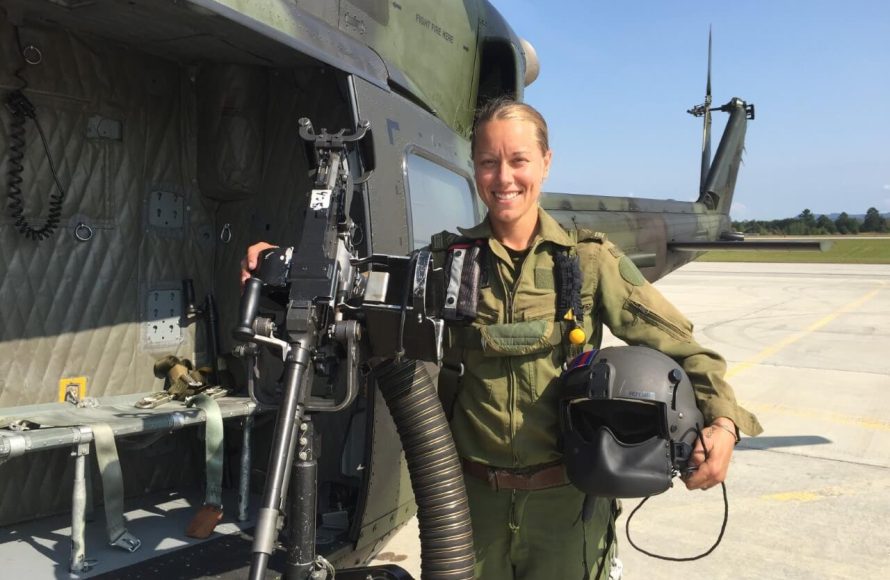
Being a good pilot and gunner team in a helicopter requires crystal-clear communication, mutual trust built on proficiency, and a shared understanding of mission objectives alongside adaptive teamwork in dynamic combat scenarios.
Ever wondered what it takes to truly click as a helicopter pilot and gunner team? It’s more than just flying and shooting; it’s about a seamless partnership forged in the skies. How do you achieve that level of synergy where actions are anticipated and threats are neutralized before they fully materialize?
This article will break down the essential elements of how to be a good pilot and gunner team in a helicopter, covering everything from communication protocols to situational awareness techniques, ensuring mission success.

How to Be a Good Pilot and Gunner Team in a Helicopter
Effective helicopter operations rely heavily on the synergy between the pilot and gunner. This teamwork is critical for mission success and survival. Communication, trust, and clearly defined roles are essential.
A well-coordinated pilot and gunner team amplifies the helicopter’s capabilities. They achieve superior situational awareness and combat effectiveness. Let’s examine the key elements.
Understanding Roles and Responsibilities
Each team member has specific duties. These duties must be understood and executed flawlessly. Clear role definitions prevent confusion during critical moments.
The Pilot’s Role
The pilot is responsible for the safe operation of the helicopter. They maintain control of the aircraft, navigate, and manage flight parameters. Pilot skills are paramount.
Flight Control: Maintaining stable flight and executing maneuvers.
Navigation: Knowing the route and using instruments and visual cues.
Communication: Relaying information to the gunner and external entities.
The pilot must react quickly to changing circumstances. This includes enemy fire, weather conditions, and mechanical issues. Their actions directly impact the gunner’s effectiveness.
The Gunner’s Role
The gunner is responsible for target acquisition and engagement. They provide suppressive fire and protect the helicopter. Accurate and timely engagement is key.
Target Identification: Quickly and accurately identifying threats.
Weapon Operation: Maintaining and operating the helicopter’s weaponry.
Situational Awareness: Monitoring the environment for threats and relaying information.
The gunner’s vigilance is crucial. They must be able to spot potential dangers before they become immediate threats. This protects the entire team.
Communication is Paramount
Open and clear communication is non-negotiable. The pilot and gunner must be able to relay information instantly. Delays or misunderstandings can be catastrophic.
Effective communication is concise and relevant. Jargon should be minimized to avoid confusion. Pre-briefed terminology can expedite critical information exchange.
Target Designation: Clearly describing the location and type of target.
Threat Assessment: Communicating potential dangers and their relative threat level.
Maneuver Requests: Pilot requesting specific maneuvers from the gunner’s perspective.
Visual cues and hand signals can supplement verbal communication. These are especially useful in noisy environments. Drills should reinforce non-verbal communication methods.
Building Trust and Respect
Trust is the foundation of any successful team. The pilot and gunner must have faith in each other’s abilities. Respect for each other’s expertise is equally important.
Mutual respect fosters a collaborative environment. Team members are more likely to offer constructive feedback. This leads to improved performance and cohesion.
Acknowledging Expertise: Recognizing and valuing each other’s unique skills.
Open Feedback: Providing honest and constructive criticism.
Shared Decision Making: Involving each other in relevant decisions.
Trust is earned through consistent performance and reliability. Each team member must demonstrate competence. This builds confidence and strengthens the bond.
Standard Operating Procedures (SOPs)
SOPs provide a framework for consistent performance. These procedures cover all aspects of helicopter operations. Adherence to SOPs minimizes errors.
Well-defined SOPs ensure everyone is on the same page. This reduces ambiguity and promotes efficiency. They act as a checklist for critical tasks.
Pre-flight Checks: Standardized procedures for inspecting the helicopter.
Emergency Procedures: Step-by-step instructions for handling emergencies.
Communication Protocols: Established methods for communication.
SOPs should be regularly reviewed and updated. This ensures they reflect current best practices. Regular drills should reinforce these procedures.
Crew Resource Management (CRM)
CRM focuses on optimizing human performance. It addresses factors like fatigue, stress, and communication barriers. CRM principles enhance teamwork and decision-making.
CRM training teaches team members how to identify and mitigate risks. It emphasizes the importance of assertiveness and active listening. These skills are crucial for survival.
Situational Awareness: Maintaining an accurate understanding of the environment.
Decision Making: Making sound judgments under pressure.
Communication: Expressing ideas clearly and listening actively.
CRM principles can be applied to all aspects of helicopter operations. This improves safety and mission effectiveness. It makes the team work more efficiently.
Training and Drills
Regular training is essential for maintaining proficiency. Drills simulate real-world scenarios. This prepares the team for unexpected events.
Realistic training exposes weaknesses and identifies areas for improvement. It builds confidence and reinforces learned skills. The team gets better over time.
Simulated Combat Scenarios: Practicing engagement tactics against simulated threats.
Emergency Procedure Drills: Regularly rehearsing emergency responses.
Communication Exercises: Practicing communication techniques in various conditions.
Training should be challenging and progressive. It should gradually increase in complexity. This ensures the team is constantly developing new skills.
Situational Awareness and Scanning Techniques
Maintaining situational awareness is critical for survival. Both the pilot and gunner must be constantly scanning their surroundings. They must see potential threats and dangers.
Effective scanning techniques involve a systematic approach. The team divides the airspace and uses patterns to cover all areas. This ensures nothing is missed.
Sector Responsibilities: Assigning specific areas to each team member for observation.
Scanning Patterns: Using consistent and deliberate scanning patterns.
Target Verification: Confirming the identity and threat level of potential targets.
Situational awareness is not just about seeing what is in front of you. It also involves anticipating potential threats. This requires understanding enemy tactics and the environment.
Weapon Systems and Maintenance
The gunner must be proficient in operating and maintaining the helicopter’s weapon systems. This includes understanding the capabilities and limitations of each weapon. Regular maintenance is essential.
Proper weapon maintenance ensures reliability and accuracy. The gunner must be able to troubleshoot common malfunctions. This minimizes downtime and maintains combat readiness.
Weapon Proficiency: Demonstrating competence in operating all weapon systems.
Maintenance Procedures: Following established maintenance protocols.
Ammunition Management: Efficiently managing ammunition supply.
Understanding the ballistics of each weapon is crucial for accurate targeting. The gunner must be able to compensate for factors like wind and range. This ensures effective engagement.
Adapting to Different Environments
Helicopter operations can take place in a variety of environments. Each environment presents unique challenges. The team must be able to adapt to changing conditions.
Adapting to different environments requires specialized training. This includes training for operations in mountainous terrain, urban areas, and over water. Experience is important.
Terrain Awareness: Understanding the impact of terrain on flight and engagement.
Weather Considerations: Adapting to changing weather conditions.
Navigation Challenges: Navigating in unfamiliar or complex environments.
Communication protocols may need to be adjusted in different environments. Noise levels can vary, impacting verbal communication. Non-verbal communication may need to be emphasized.
Equipment and Technology
Modern helicopters are equipped with advanced technology. The pilot and gunner must be proficient in using this technology. This enhances situational awareness and combat effectiveness.
Equipment and technology include navigation systems, targeting pods, and communication devices. Each piece of equipment requires specific training and maintenance. Understanding the capabilities is key.
Navigation Systems: Using GPS and other systems for accurate navigation.
Targeting Pods: Utilizing targeting pods for target acquisition and engagement.
Communication Devices: Maintaining reliable communication using radios and other devices.
Regular maintenance of equipment is essential. Malfunctions can compromise mission success. The team must be able to troubleshoot common problems.
Stress Management and Fatigue Mitigation
Helicopter operations can be physically and mentally demanding. Stress and fatigue can impair performance. The team must be able to manage these factors effectively.
Stress management techniques include deep breathing exercises and visualization. Fatigue mitigation strategies include proper rest and nutrition. Good teamwork helps mitigate these factors.
Stress Recognition: Identifying the signs and symptoms of stress.
Fatigue Management: Implementing strategies to combat fatigue.
Team Support: Providing support and encouragement to each other.
Briefing and debriefing sessions provide opportunities to discuss stressful events. This allows the team to process their experiences. Sharing helps reduce stress.
Leadership and Decision Making
Effective leadership is crucial in high-pressure situations. The pilot typically serves as the team leader. They are responsible for making critical decisions.
Leadership involves clear communication, decisive action, and a willingness to listen to input from the gunner. A good leader empowers their team members. Collaboration is key.
Clear Communication: Communicating decisions and rationale effectively.
Decisive Action: Making timely and effective decisions under pressure.
Team Empowerment: Encouraging and supporting team members.
Decision making should be a collaborative process. The pilot should solicit input from the gunner. This ensures all relevant information is considered.
Continuous Improvement and Learning
The environment of helicopter operations is constantly evolving. New technologies and tactics emerge regularly. The team must be committed to continuous improvement and learning.
Continuous improvement involves seeking feedback, analyzing performance, and identifying areas for improvement. A growth mindset is essential. Never stop learning.
Feedback Seeking: Actively seeking feedback from peers and superiors.
Performance Analysis: Regularly analyzing performance to identify areas for improvement.
Professional Development: Pursuing ongoing training and education.
Sharing lessons learned is crucial for improving overall performance. After-action reviews should be conducted after each mission. This is how the team and organization improves.
Ethical Considerations
Helicopter operations can have significant consequences. The team must adhere to the highest ethical standards. This includes respecting the laws of war and protecting civilians.
Ethical considerations should guide all decision making. The team must be prepared to make difficult choices in complex situations. Morality is important.
Adherence to Laws: Complying with all applicable laws and regulations.
Protection of Civilians: Taking all reasonable precautions to avoid harming civilians.
Moral Courage: Making ethical choices even when it is difficult.
Ethical training should be an integral part of helicopter operations. This ensures the team is prepared to make responsible decisions. It’s important to do the right thing.
Best Arma Refoger Pilot #helicopter #aviation #arma3 #rock #armareforger
Final Thoughts
To be a good pilot and gunner team in a helicopter, communication is crucial. You must maintain constant, clear dialogue about the environment, threats, and targets.
Trust and understanding between the pilot and gunner are also essential. Each team member relies on the other’s expertise to succeed.
how to be a good pilot and gunner team in a helicopter demands a collaborative approach. Practice and debriefing sessions enhance coordination and improve performance. Remember that effective teamwork is paramount for mission success and safety.