
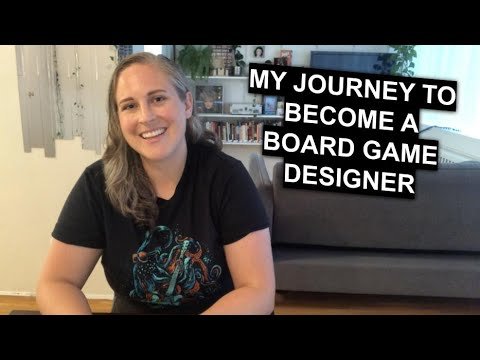
Becoming a board game designer requires developing ideas, playtesting extensively, and iterating based on feedback.
Ever dreamt of crafting your own tabletop world? Many ponder how to become a board game designer. It starts with having a spark, an idea that you want to bring to life.
Begin by sketching out game mechanics and core concepts. Then, build a prototype and playtest with friends.
Iterate on your design, refine what works, and let go of what doesn’t. Getting feedback and then acting on it is a key to success in this.

How to Become a Board Game Designer
So, you love board games? You spend hours strategizing, laughing, and maybe even flipping the occasional table (we’ve all been there!). You’ve probably thought, “Hey, I could make a really cool game too!” Well, you absolutely can! Becoming a board game designer is an exciting journey, and while it takes work, it’s totally achievable. This guide will walk you through all the steps, from your initial idea to seeing your game on store shelves. Let’s get started!
The Spark of an Idea: Finding Your Game Concept
Every great game starts with a single idea. It might be a cool theme, an interesting mechanic, or even just a feeling you want to create. Let’s talk about how to find that initial spark.
Brainstorming and Idea Generation
Brainstorming is your best friend in the early stages. Think about what kinds of games you enjoy. What makes them fun? Do you like dice rolling, card drafting, or worker placement? Maybe you love fantasy worlds, space exploration, or historical settings? Mix and match these elements. Here are some ways to spark ideas:
- Theme First: Start with a theme you’re passionate about. Maybe you love ancient Egypt, or maybe you’re fascinated by tiny robots. Let that theme guide the mechanics.
- Mechanic First: Is there a game mechanism you want to explore? Maybe you want to try something with set collection, or perhaps a unique movement system. Think about how to build a game around this core idea.
- Hybrid Approach: Combine both. Have a theme and a rough mechanic idea? Let them inform each other to create something unique.
- What’s Missing: Are there board game themes you feel are missing or under-represented? Can you create a game that fills a gap in the market?
- Look Around: Everyday life offers inspiration. From the way a coffee shop functions to the interactions in a bustling city, many everyday moments can inspire game mechanics.
Documenting Your Ideas
Once you start brainstorming, it’s vital to write everything down. Don’t trust your memory; ideas can slip away quickly. Use a notebook, a digital document, or whatever works best for you. Include details like:
- The core concept: A short summary of your game.
- Target audience: Who is this game for? Families? Serious gamers?
- Number of players: How many people can play?
- Playtime: How long will a game last?
- Theme: The game’s overall topic or setting.
- Mechanics: The rules and systems that make the game work.
- Unique selling point (USP): What makes your game different? What makes people want to play your game?
From Idea to Prototype: Bringing Your Game to Life
Having a cool idea is fantastic, but now it’s time to make it real. This means creating a prototype, a playable version of your game that will help you see how it all works.
Making a Basic Prototype
Your first prototype doesn’t need to be fancy. It just needs to be functional. Here’s a guide to making a basic, playable game:
- Basic Components: Use whatever you have on hand. Index cards can be game cards, cardboard can be a game board, and coins or dice can be game pieces. Don’t worry about making it look pretty yet.
- Simplified Rules: Focus on the core game mechanics, not every little detail. Start with basic rules and add complexity later if necessary.
- Handwritten Elements: Write on your cards, boards, and tokens. Remember, this is just a test version. Don’t invest in professional printing right away.
- Focus on Playability: The goal is to be able to play the game and see if the core mechanisms work. Is it fun? Is it easy to understand?
Playtesting Your Prototype
Playtesting is one of the most important parts of game design. It’s where you find out if your game is fun, understandable, and balanced. The more you playtest, the better your game will be.
- Solo Testing: Before playing with others, try the game yourself to make sure the core rules are functional. This helps you identify major issues and make a good start.
- Get Feedback: Play with friends, family, and anyone willing to try your game. Ask them to tell you what they liked and disliked. Don’t take criticism personally; instead, see it as ways to make your game better.
- Note Everything: Take detailed notes during playtests. Record what works, what doesn’t, where people got confused, and any suggestions they offer. This data is crucial for iterative design.
- Iterate and Improve: Based on feedback, make changes to your game. It’s not uncommon to make lots of changes after every playtest. The goal is to constantly improve and refine your game mechanics.
- Variety of Playtesters: Try to playtest with a diverse group. People who love games, people who aren’t familiar with games, and people of different ages will give you valuable and diverse feedback.
Iterative Game Design
Game design is a process of constant improvement. This process of making changes based on playtesting is called iterative design. It’s like sculpting— you start with a basic idea and keep refining it until it’s just right.
Here’s an example of iterative design:
- Initial Design: Create a simple game concept.
- First Playtest: Test the basic mechanics with a small group.
- Feedback Review: Look at the feedback and identify the weakest areas, and issues with gameplay.
- Design Tweaks: Change the rules, mechanisms or layout based on feedback.
- Second Playtest: Test the updated version and identify new issues.
- Refinement: Keep playing and refining the game until it reaches its maximum potential.
Deep Dive into Game Mechanics
The mechanics are the nuts and bolts of your game. They are the things that players do during the game and how these actions make the game work. Let’s look at some common types.
Common Game Mechanics
Understanding common game mechanisms is important for building your game. Here are a few:
- Worker Placement: Players put worker tokens onto the game board to take actions.
- Dice Rolling: The classic randomization mechanic. Dice can be used for attack rolls, resource generation, and more.
- Card Drafting: Players choose cards from a hand, and these cards could represent actions, resources or points.
- Set Collection: Players collect sets of cards, tokens, or items to score points.
- Area Control: Players try to gain control of areas on the board to gain advantages.
- Engine Building: Players try to build up their systems to gain more resources or actions.
- Resource Management: Players collect and spend resources to gain advantages.
Balancing Game Mechanics
Balancing your game mechanics is crucial for making a good game. The game should be fun and fair for all players, making sure that all options and strategies are viable.
- Identify Power Imbalances: If one strategy is consistently more powerful than others, you need to make changes to your game.
- Test Starting Conditions: Make sure that the game is fair from the very start. Make sure that no player has a huge advantage or disadvantage.
- Adjust Values: Change the cost, rewards, or probabilities of game mechanics. For example, you may need to reduce the resource cost or increase a reward.
- Playtest with Varying Player Count: Test your game at different player counts to make sure it plays well regardless of how many people are playing.
Presentation and Production: Making Your Game Look Great
Once the gameplay is solid, it’s time to focus on how your game looks and feels. This includes the artwork, component quality, and overall presentation.
Developing the Game’s Aesthetic
Your game’s art style is important because it sets the tone and makes the game more appealing to players.
- Art Direction: Decide on the visual style that suits your game. Is it whimsical, realistic, or cartoony?
- Component Design: Design cards, game boards, and tokens to be clear and easy to understand. Make sure that all of the parts of the game fit together well.
- Rulebook Design: Make sure the rulebook is well-written, well-organized, and easy to follow. The rulebook is very important because it teaches players how to play the game.
Material Selection and Cost
The materials you choose influence the game’s production cost. Here are some things to consider:
- Budgeting: Set a budget for material costs to keep expenses under control.
- Component Quality: Research what types of components are available, and look for the best quality at the most reasonable price.
- Manufacturing Options: Research different manufacturers and decide which best fits your needs and budget.
Publishing Your Game: Bringing It to Market
There are many ways to publish your game. You can go with a publisher or you can self-publish. Lets look into the differences.
Working with a Publisher
Working with a publisher has a lot of benefits and a few drawbacks. Publishers often have the resources, experience, and connections to bring your game to a larger audience.
- Game Submission: Prepare a professional pitch with all the details of your game. You should include playtest videos, pictures of your game, and a rulebook.
- Finding the Right Fit: Research publishers who make games similar to yours. Your game is more likely to get accepted if the publisher makes similar games.
- Contracts and Negotiations: Negotiate contracts carefully and make sure you understand all of the details. Always read contracts carefully.
Self-Publishing Your Game
Self-publishing gives you more control, but it also takes more work. Here’s what you should know:
- Funding: Consider crowdfunding platforms like Kickstarter or Gamefound to help with development and production costs.
- Manufacturing: Choose a manufacturer that produces quality components at an affordable price.
- Marketing and Distribution: Market your game to make sure the people know about it and to get people to buy it. You can use social media, conventions, and local game stores to reach people.
- Legal Considerations: You might need to consult with lawyers to make sure your intellectual property is protected and that everything is legal.
Building Your Game Design Skills
Becoming a good board game designer is a process. It involves continuous learning and refinement. Here are some ways to build your skill set.
Learning Game Design Principles
Understanding core game design principles helps you create a better and more enjoyable game.
- Study Game Design Books: Read books that discuss basic game design techniques and methods.
- Follow Game Designers: Look at the works of famous game designers to see what types of games they make and how they operate.
- Play Different Games: Experiment with a variety of games to see different mechanics and game ideas.
Joining the Board Game Community
The board game community is very welcoming and has a lot of great people. Getting connected is a good way to grow and learn.
- Attend Game Conventions: Meet other designers, publishers, and enthusiasts to network and share ideas.
- Online Forums and Groups: Join online communities where designers discuss their work and ideas.
- Playtesting Groups: Participate in local playtesting groups to get and provide feedback.
That’s it! Becoming a board game designer is a journey filled with learning and hard work, but it’s also extremely rewarding. You get to turn ideas into experiences that bring joy to others, and that’s a wonderful feeling. Keep experimenting, keep playing, and most importantly, keep creating. The world needs more great games, and maybe your game will be the next big thing.
How to Make a Board Game in 2024
Final Thoughts
To become a board game designer, start by playing many games. Analyze what works and what doesn’t in these experiences. Then, begin prototyping your own game ideas.
Iterate frequently and playtest with different groups. Refine the design based on their valuable feedback. Remember that game design is a learning journey.
Finally, keep building your portfolio and connect with others. This experience is vital for anyone wanting to learn how to become a board game designer. It’s a path requiring practice and resilience.

