
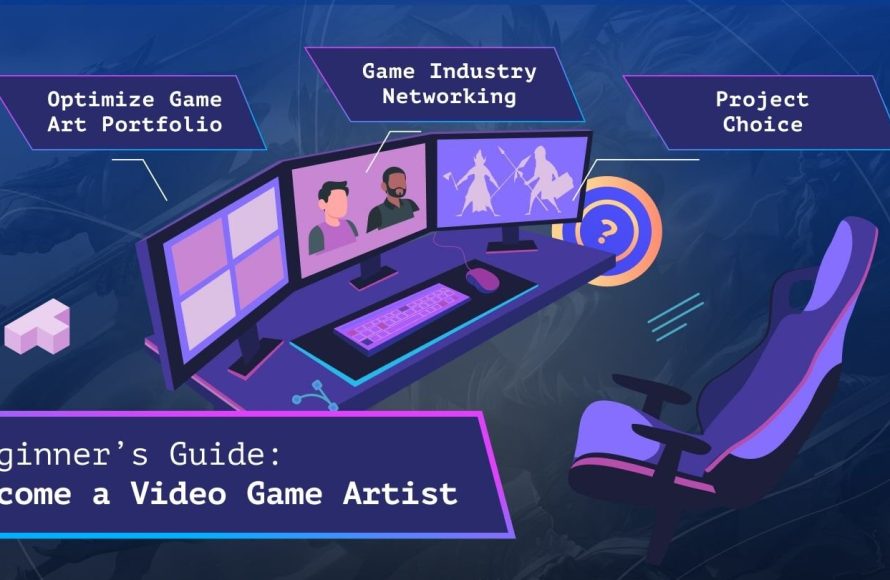
Becoming a game artist requires developing a strong portfolio, learning relevant software, and actively networking within the game development community.
Dreaming of creating captivating characters or immersive worlds for video games? Many wonder how to become a game artist, and it’s a journey that combines artistic passion with technical skills. The path involves honing your drawing abilities, learning 2D or 3D software, and building a portfolio that showcases your talent. Networking with other professionals also plays a significant part.

How to Become a Game Artist
So, you dream of creating amazing worlds, cool characters, and eye-popping visuals for video games? That’s awesome! Becoming a game artist is a fun and rewarding path, but it takes dedication and hard work. It’s not just about being good at drawing; it’s about understanding how your art fits into a bigger picture – the game itself. This guide will walk you through everything you need to know, from the skills you’ll need to learn, to how to build a strong portfolio and land your dream job.
Understanding the Role of a Game Artist
Before we dive into the specifics, let’s talk about what a game artist actually does. Game artists are the visual storytellers of the game development world. They create everything you see in a game, from the tiniest buttons to the biggest, most epic landscapes. They work closely with designers and programmers to bring the game’s vision to life. Depending on the team size and project, a game artist can have varied responsibilities, often specializing in one of many areas.
Types of Game Artists
Game art is diverse! Here are some common areas you could focus on:
- Concept Artist: These artists create the initial ideas and sketches, setting the visual tone and style for the game. They explore different possibilities and help shape the game’s look.
- Character Artist: They create characters, from modeling their bodies and clothing, to texturing their surfaces, and rigging them for animation. This includes designing heroes, villains, and all the other characters that populate the game world.
- Environment Artist: These artists build the worlds and levels you play in. They design everything from cities and forests, to dungeons and spaceships, often working closely with level designers. They create background elements, props, and anything that makes a game environment immersive and engaging.
- UI/UX Artist: User Interface (UI) and User Experience (UX) artists focus on the menus, icons, and other interactive elements within a game. Their goal is to make the game easy and intuitive for players to navigate.
- Animator: Animators make characters and objects move. They add life to the game world by animating walking, running, fighting, and other actions.
- Texture Artist: Texture artists work to create the surface details of game assets, adding visual depth and realism to 3D models.
- Technical Artist: These artists bridge the gap between art and technology. They work on tools, pipelines, and optimization to make sure art assets work well in the game engine.
Essential Skills for a Game Artist
Okay, so you know what a game artist does. Now let’s talk about what skills you need to have. While having a natural talent for drawing can help, these can also be taught and developed. Keep in mind it’s a combination of creative and technical know-how that will help you shine.
Drawing and Painting Skills
The foundation of most game art jobs comes from a solid understanding of drawing and painting. Here are some skills you’ll want to work on:
- Fundamentals of Art: Understanding the basics of perspective, anatomy, composition, and color theory is crucial for creating compelling visuals.
- Sketching: Learn how to quickly sketch ideas and concepts. Speed and clarity are valuable.
- Digital Painting: Learn to paint digitally using software like Photoshop, Krita, or Clip Studio Paint. The ability to work digitally is essential for the gaming industry.
- Traditional Art Skills: Don’t discount traditional art! Skills with pencil, charcoal, and paints will help you understand the fundamentals of art, which can help your digital work.
3D Modeling and Texturing
Many game art roles involve 3D modeling. You’ll likely need to learn these skills:
- 3D Modeling Software: Learn to use software like Blender (free), Maya, or 3ds Max to create 3D objects and characters.
- Sculpting: Explore digital sculpting using software like ZBrush or Blender.
- Texturing: You’ll learn to apply textures and materials to 3D models with software such as Substance Painter or Quixel Mixer. This gives the models a visual surface
- UV Mapping: Understanding how to unfold a 3D model into a 2D image, so you can add textures is important
Game Engines and Tools
Knowing how to work with game engines is essential. While you don’t need to be a programmer, knowing how to bring your art into the game and see how it all works is an important skill:
- Unity or Unreal Engine: Familiarize yourself with at least one of these popular game engines. You’ll learn how to import assets, set up scenes, and test your art in a game environment.
- Version Control: Understand how version control software like Git works. This allows you to manage project files and collaborate with other artists.
- Project Management Tools: Learn to use project management tools like Jira or Trello, to stay organized.
Soft Skills
Besides technical skills, soft skills are crucial for working in a team. These include:
- Communication: Being able to clearly communicate your ideas and understand feedback.
- Collaboration: Game development is a team effort. You need to be able to work well with others.
- Problem-solving: You’ll encounter creative and technical challenges, and you need to be able to solve them efficiently.
- Time Management: You need to manage your time effectively and meet deadlines.
- Adaptability: Games constantly evolve; you must be flexible and willing to learn new things.
Building Your Portfolio
Your portfolio is your key to getting a job. It’s a collection of your best work that shows off your skills and style. Here’s what you should focus on:
Quality Over Quantity
It’s better to have a few really strong pieces than many mediocre ones. Only include your best work that you are truly proud of. Make each one showcase a different aspect of your skills. For example, include at least one environment piece, one character design, and one prop or object.
Showcase Relevant Skills
Tailor your portfolio to the type of game art job you want. For example, if you want to be a character artist, make sure to include many examples of your character work, displaying different poses, and detailing outfits.
Variety
If possible, show that you can handle different styles. Demonstrate that you can create different types of art pieces, to suit different projects.
Include Personal Projects
Personal projects demonstrate your passion and creativity. Work on projects that inspire you and show your unique style.
Presentation
Present your work professionally on a website. Add descriptive captions, and showcase your work in a visually appealing manner. Websites like ArtStation, Behance, and your own personal website are good options. Consider a digital portfolio rather than PDF files or an offline portfolio, as it is easier for recruiters to access.
Education and Training
While a formal education isn’t always required, it can help you build a solid foundation and provide you with valuable opportunities to network.
Formal Education
Consider a degree in game art, game development, animation, or a related field. These programs will provide you with the art fundamentals, technical knowledge, and industry insights you need.
Online Courses and Tutorials
There are a plethora of online resources that can help you learn specific game art skills. These include:
- Skillshare, Udemy, Coursera: These platforms offer courses on a wide range of topics, from digital painting to 3D modeling to animation.
- YouTube Tutorials: There are many great artists who share free tutorials on YouTube.
- Gnomon Workshop: Offers high-quality tutorials by professional artists, typically focusing on advanced techniques.
Workshops and Bootcamps
Intensive workshops and bootcamps can provide you with focused training in a specific area of game art. These are often taught by industry professionals.
Gaining Experience
Experience is crucial for getting hired. Here are some ways to gain experience:
Internships
Internships offer real-world experience working on actual game projects. This is a great way to learn from industry pros. Try reaching out to smaller game studios, as they tend to be more open to hiring interns.
Freelance Work
Take on freelance projects. Working on different projects will expose you to more art styles, and increase your network with other professionals. You can work on smaller indie game projects, or work with artists who need assets created.
Game Jams
Participating in game jams is a fun way to create a small game with a team of other developers. It will expose you to the process of game creation, and you get to add an actual game project to your portfolio.
Personal Projects
Continue working on personal projects. Personal projects let you try out new ideas, learn new techniques, and show your passion for game art.
Networking
Building connections in the industry is very important. Here are some ways to network:
Industry Events
Attend game industry events, such as conferences and conventions. These events offer opportunities to meet other artists and industry professionals. Bring your portfolio to these events, and be ready to make connections!
Online Communities
Join online communities, such as art forums, social media groups, and Discord servers. Connect with other artists, share your work, and offer and receive feedback.
Social Media
Use social media platforms like LinkedIn and ArtStation to showcase your work, connect with other artists, and follow companies in the games industry.
Finding a Job
Okay, you’ve built your skills, created your portfolio, gained experience, and networked. Now, let’s discuss finding your first game art job:
Target Your Job Search
Identify companies that work on the kind of games you like. Look at job postings and pay attention to what skills the employer wants. Make sure that you tailor your cover letter and portfolio to the specific requirements.
Prepare Your Resume
Your resume should highlight your skills, experience, and achievements. Use strong keywords that are related to game art. Keep your resume short and to the point.
Prepare Your Portfolio
Your portfolio is just as important as your resume. Make sure your online portfolio website is easy to navigate and loads quickly. Include your best works, and choose works which are relevant to the specific position you are applying for.
Practice for Interviews
Practice answering common interview questions and be ready to discuss your portfolio in detail. Be yourself, show your enthusiasm for games and the company, and ask good questions!
Be Persistent
Getting a game art job can take time. Don’t get discouraged by rejections. Keep improving your skills and portfolio, and keep applying.
Becoming a game artist takes a lot of work, but it’s incredibly rewarding. By building your skills, creating a great portfolio, gaining experience, and networking, you can make your dream a reality. Remember, it’s a journey of continuous learning and growth, so embrace the challenges, and enjoy the process!
How to Become a Game Designer
Final Thoughts
To become a game artist, you must build a strong portfolio showcasing your skills. Practice consistently and learn industry-standard software. Networking is also very important; connect with other artists and studios.
Actively seek feedback on your work and be open to improvement. Start with small personal projects to demonstrate your abilities. how to become a game artist requires dedication and continuous learning.

