
Becoming a game director requires gaining extensive experience in various game development roles, developing strong leadership and communication skills, and building a portfolio of successful projects.
Have you ever dreamt of leading a game’s creation? The journey of how to become a game director might seem like a distant goal, but it’s achievable with the right approach. It involves dedicated work and careful planning.
Aspiring directors should focus on building a solid foundation in design, programming, or art within the industry. You should also work on communication and people management skills that are crucial for leading a team.

How to Become a Game Director
So, you dream of being the captain of the ship, the mastermind behind the magic, the one who shouts “Action!” in the world of video games? You want to be a Game Director, huh? Well, it’s not just about playing games all day (though that’s part of the fun!). It takes a whole bunch of different skills, a lot of hard work, and a real passion for crafting amazing experiences. Let’s explore the path to becoming a game director.
Understanding the Role of a Game Director
First things first, what does a Game Director actually do? Imagine a movie director but for video games. They’re the creative leader. A Game Director sets the vision for a game. They decide what kind of game it’ll be, what the characters are like, what the story is about, and how everything will play. They work with a team of talented people, like artists, programmers, designers, and writers to bring that vision to life. They don’t do all the work themselves, but they make sure everyone is working towards the same goal.
Key Responsibilities of a Game Director
Game Directors wear many hats. Here’s a peek at some of their main responsibilities:
- Setting the Creative Vision: They decide on the game’s core idea and what makes it special.
- Guiding the Design: They work with designers to create fun and engaging gameplay mechanics.
- Overseeing Art Direction: They collaborate with artists to make sure the game looks great.
- Storytelling: They work with writers to create a captivating story and characters.
- Team Management: They lead and motivate the team to work well together.
- Problem Solving: They tackle challenges that come up during game development.
- Budget and Schedule Management: They keep track of how much money is being spent and make sure the game is finished on time.
Essential Skills for Aspiring Game Directors
Becoming a Game Director isn’t just about being creative, you need a strong set of skills. Some of these can be learned, and others you’ll refine over time. Here are some key skill areas:
Creative and Design Skills
- Visionary Thinking: You need to be able to imagine what the game should be and communicate that idea clearly to others. It’s not just about having an idea, it’s about painting a picture so others can see it too.
- Game Design Knowledge: You should have a deep understanding of different game mechanics and what makes games fun. This includes understanding level design, player progression, balancing difficulty, and more. Try playing different types of games and analyzing what they do well (and what they don’t).
- Problem Solving: Game development is full of challenges. You must be good at finding solutions to problems that arise. Think of it as being a detective, hunting down bugs or flaws in the design.
- Storytelling Abilities: If your game has a story, you should be able to help craft an engaging narrative. You need to understand how stories are put together, how to create memorable characters, and how to make the player care about what’s happening.
Management and Communication Skills
- Leadership Skills: You must guide and motivate a team of people. Being a leader is not about barking orders, but about inspiring people to do their best. You have to be able to give constructive criticism, and make sure that everyone feels like their contribution is valuable.
- Communication Skills: You need to be able to clearly explain your ideas to others, both verbally and in writing. This includes being able to articulate your vision to the team, explaining technical issues to non-technical people, and providing feedback.
- Teamwork Abilities: You’ll need to work well with different types of people and make sure everyone collaborates effectively. Think of it like an orchestra, where everyone plays a different instrument, but they all work together to make a beautiful song.
- Organizational Skills: You must keep track of multiple tasks and deadlines. As game director, you are like the conductor in an orchestra. You need to see the overall picture and make sure everything is moving smoothly.
Technical Skills
- Basic Understanding of Game Engines: Knowing how game engines like Unity or Unreal work is very helpful, even if you don’t do the actual coding. It will help you understand what’s possible and communicate more effectively with the programming team.
- Familiarity with Game Development Tools: Knowing about different software used in game development, like version control software, art tools, and design tools, is beneficial.
Education and Experience: The Stepping Stones
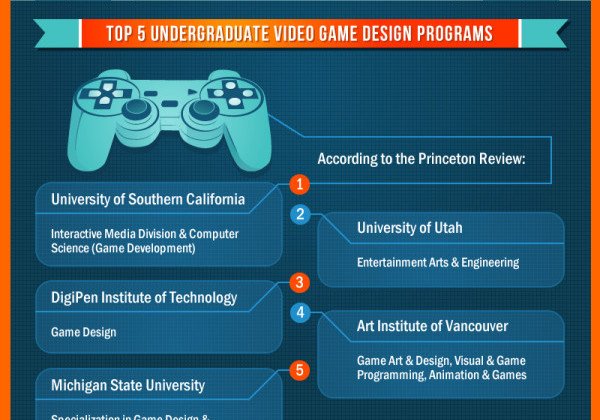
While there’s no single “Game Director Degree,” here’s a look at the kind of education and experience you can gain:
Formal Education
A relevant bachelor’s degree can be a great starting point, but a lot of people become Game Directors without having a specific degree. Here are some degree options that can be beneficial:
- Game Design or Development: These degrees will give you a solid understanding of the fundamentals of game design.
- Computer Science: This degree will teach you the technical side of game creation, which is useful if you want to understand the nuts and bolts of making a game.
- Art and Animation: If you have artistic inclinations, this degree will make you more aware of game visuals.
- Creative Writing: This path will help you sharpen your storytelling skills.
- Project Management: This will help you understand the management side of making a game.
While degrees can help, many people enter the game industry with certificates from training programs, online courses, or through self-education, and work their way up. What’s most important is having the right skills and a great portfolio.
Gaining Practical Experience
Experience is key. Here’s how you can gain some in the field of game development:
- Start at the Bottom: Many game directors start in entry-level positions, like Quality Assurance (QA) testing, game design, art, or programming roles. These experiences will give you hands-on knowledge about how games are made, and help you understand different parts of the process.
- Build a Portfolio: Even if you don’t have a job in the industry, you can create your own game projects. This can be anything from small prototypes to full-fledged indie games. Having a portfolio will demonstrate that you have skills and knowledge. Use Game Jams as an opportunity to create a game in a limited amount of time, which is a good way to put your skills to the test.
- Network: Attend game industry events, connect with people online, and build a network of people who work in the industry. This is a good way to learn from more experienced game developers, and who knows, they might even become a future colleague.
- Volunteer or Intern: Look for opportunities to volunteer or intern at game studios. This will help you gain invaluable experience and build your network. Even smaller studios can give great experience.
The Journey to Game Director: A Typical Career Path
There’s no one-size-fits-all path to becoming a game director, but here is an idea of how it often goes:
Entry-Level Roles
- Quality Assurance Tester: Starting as a game tester helps you learn how the game development process works. You are involved in the testing of gameplay.
- Game Designer (Junior): Working as a junior designer helps you learn design principles and tools. This role involves creating game levels, and mechanics.
- Artist (Junior): Starting as an artist will make you understand the artistic process of making a game, and get familiar with the tools. You can focus on character design, environment art, or special effects, depending on your strengths.
- Programmer (Junior): Starting as a programmer helps you get familiar with game programming and game engine. You can specialize in gameplay programming, tool programming, or artificial intelligence, depending on your interest.
Mid-Level Roles
- Game Designer: As you gain experience you’ll start to work on more complex aspects of game design. This will involve defining game mechanics, balancing gameplay, and designing entire levels.
- Lead Designer: Working as a lead will require you to oversee the work of other designers. It will help you with management skills.
- Art Lead: As an art lead you will direct the work of the artists, making sure that they are creating art in line with the vision.
- Lead Programmer: You will be in charge of other programmers, making sure all technical aspects are being done according to the plan. This will also help you work with project management skills.
Senior Roles and the Move Towards Game Director
- Creative Director: This role often involves more oversight and creative vision. You start to play a big role in the creative process.
- Project Manager: If your background is in project management, you can use that experience to become a game director. You should be familiar with budgets, timelines and team management.
- Game Producer: As a game producer, you learn about the logistical side of making a game. This can include budgeting, scheduling, and managing resources.
- Lead Game Designer: This is a stepping stone into the position of a game director as you start to take on more management and decision-making roles.
Often, you would become game director by showing your leadership skills and by presenting a successful game in the role of a Lead Designer or Producer.
Developing Your Leadership Style
As a game director, you won’t be just a leader, you should also be a good leader. It’s important to develop the right style of leadership that motivates and inspires your team.
Key Qualities of a Good Leader
- Clear Communication: Clearly articulate your vision, goals, and feedback to your team. Make sure to listen to your team as well.
- Delegation: Don’t try to do everything yourself. Delegate tasks to your team based on their strengths and expertise.
- Empowerment: Provide your team with the autonomy and resources to do their jobs well. Encourage them to share their ideas.
- Empathy: Understand your team’s needs and challenges. Be supportive and compassionate.
- Motivation: Keep your team engaged and passionate about the game. Celebrate successes and create a positive team environment.
- Accountability: Take responsibility for your actions and decisions, and encourage your team to do the same. Be willing to learn from your mistakes.
How to Build these Qualities
- Seek Feedback: Regularly ask for feedback from your team to identify areas for improvement.
- Learn from Mentors: Find experienced leaders to guide and advise you.
- Practice Active Listening: Pay attention to what your team members are saying and make them feel heard.
- Take Management Courses: Take courses or training programs that focus on team management, project management and leadership.
The Importance of a Strong Portfolio
Your portfolio is a must-have. It is your showcase, and it is how you’ll show off your skills to potential employers. It’s more than just a list of projects, it is a collection of examples that show what you can do.
What to Include in Your Portfolio
- Game Projects: Include any game you’ve worked on (either full games or game prototypes). Show your skills in action, and describe your involvement in the project. Include videos and images of your gameplay where possible.
- Design Documents: If you have design documents, you can include them to showcase your ability to plan and communicate your vision.
- Level Designs: Show examples of your level designs, emphasizing the mechanics, flow and challenges.
- Personal Projects: Any projects you created on your own to explore different aspects of game design or game development.
- Relevant Coursework: Showcase any courses you have taken that demonstrate your skills.
Tips for a Great Portfolio
- Quality over Quantity: Focus on showcasing your best work. A few high-quality projects are much better than many incomplete or poorly done ones.
- Tailor to the Role: If you are applying for a Game Director position, highlight the parts of your portfolio that show off your creative vision, leadership and management skills.
- Be Organized: Present your projects in a clear and easy-to-navigate manner. Make it easy for people to understand the project and your involvement in it.
- Get Feedback: Ask mentors, friends or colleagues to review your portfolio and offer suggestions for improvement.
- Keep it Updated: Make sure your portfolio is up-to-date with your most recent and best work.
Staying Current and Adapting to Industry Trends
The game industry is always evolving. New technologies, game mechanics, and design principles come up every year. It is crucial for aspiring Game Directors to stay current.
Ways to Stay Current
- Play Games: Keep playing new games to see what is trending and what are the latest innovations.
- Read Industry Publications: Read trade magazines, websites, and blogs that cover game development. This will help you learn about current topics.
- Follow Industry Leaders: Follow experienced game developers and industry leaders on social media to stay informed.
- Attend Conferences: Go to game development conferences and seminars to learn from experts and network with other people in the industry.
- Online Learning: Take online courses and tutorials on new software and techniques in game development.
Overcoming Challenges and Staying Motivated
The road to becoming a Game Director is not easy. There will be times when you face challenges, rejection, and doubt. It is important to stay motivated and not give up on your goal.
Common Challenges
- Rejection: It can take a while to get your first job in the game industry. It’s normal to face rejection. Use the feedback to learn and improve.
- Long Hours: Game development often requires working long hours. Remember to take care of yourself and maintain a good work-life balance.
- Creative Blocks: Sometimes you might find it hard to come up with new ideas. Try doing new things, and explore new sources of inspiration.
- Team Conflicts: Working with many people can be challenging. It’s important to improve your conflict resolution skills.
Staying Motivated
- Set Realistic Goals: Break down your big goals into smaller, achievable steps. Celebrate your progress along the way.
- Find Your Passion: Remember why you want to work in game development and let that passion be your driving force.
- Connect with Others: Join online communities, connect with colleagues, and share your experience with others. This will give you support and motivation.
- Celebrate Your Achievements: Acknowledge your hard work and be proud of how far you’ve come.
- Take Breaks: Make sure you rest and recharge to avoid burnout. Work is not everything.
Becoming a Game Director takes time, effort, and dedication. But if you have the passion, the skills, and the drive, you can make it happen. Keep learning, keep creating, and never give up on your dream!
How To Be A Good Game Director
Final Thoughts
Gaining game design experience is vital; start with smaller projects. Networking at industry events helps. A strong portfolio showcasing your creative vision is must.
Lead teams, learn management, and hone your communication skills. Understanding different game development areas is key. ‘how to become a game director’ requires patience and perseverance.

