
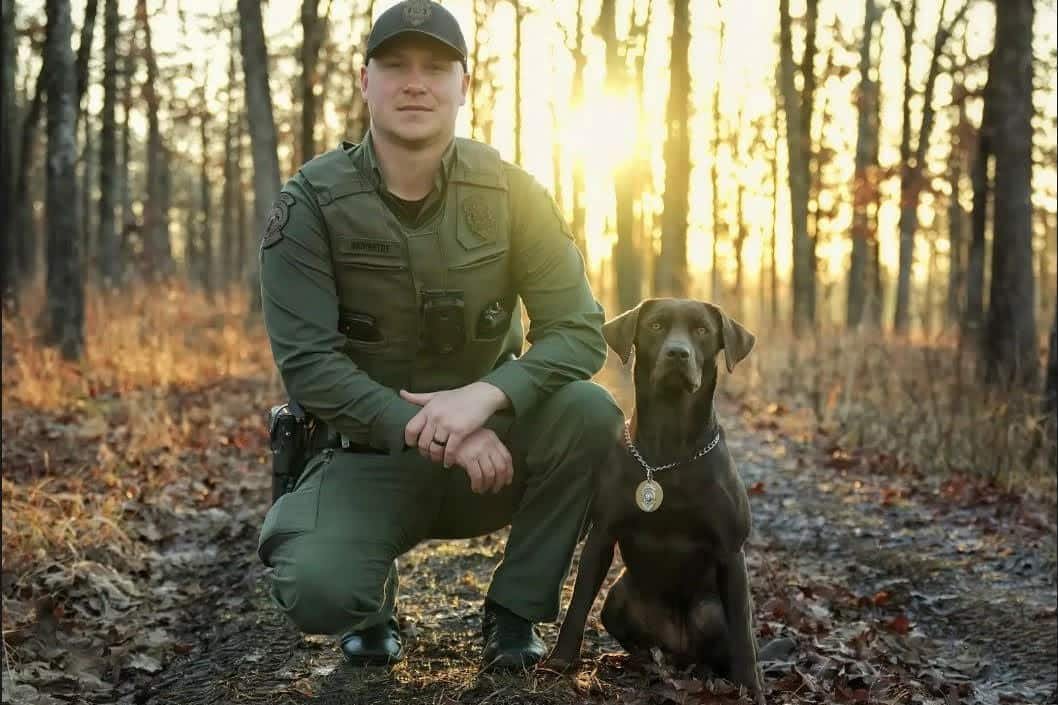
To become a game warden in Arkansas, you must meet specific requirements, including age, education, and physical fitness standards, then successfully complete the Arkansas Game and Fish Commission training program.
Do you have a passion for the outdoors and wildlife? Perhaps you’ve thought about a career protecting Arkansas’ natural resources. Understanding the steps for how to become a game warden in Arkansas is your first move. This exciting career path involves a commitment to conservation.
It also requires dedication. You’ll need to meet certain criteria. Preparation for this career can begin early. Game wardens play an important role in preserving the beauty of the state.

How to Become a Game Warden in Arkansas
Becoming a game warden in Arkansas is a great way to help protect the state’s natural resources and wildlife. It’s a job that takes dedication, hard work, and a real love for the outdoors. If you’re considering this path, it’s important to understand what it takes. Here, we’ll break down the steps you need to take to become a game warden in Arkansas, also called a Wildlife Officer.
Understanding the Role of an Arkansas Game Warden
Before diving into the specific steps, let’s talk about what a game warden actually does. Game wardens are law enforcement officers who specialize in protecting wildlife and natural habitats. They work for the Arkansas Game and Fish Commission (AGFC). Their duties are diverse and often involve being outdoors in all kinds of weather.
Key Responsibilities of a Game Warden
- Enforcing Hunting and Fishing Laws: They make sure people are following rules about hunting, fishing, and trapping. This includes checking licenses, ensuring proper equipment is used, and preventing illegal activities like poaching.
- Wildlife Management: They help with programs to protect and manage wildlife populations. This could involve counting animals, relocating species, or working to keep habitats healthy.
- Public Safety: They respond to emergencies and help with search and rescue operations in the outdoors. They also educate the public on safety measures and responsible recreation.
- Educating the Public: Game wardens are also teachers. They share information with the public about wildlife conservation, responsible outdoor behavior, and the laws. They often participate in community events and school programs.
- Investigating Violations: When they find out about a violation, they investigate the situation and take the correct action. That may include issuing warnings, citations, or even making arrests.
- Patrolling and Observation: They spend a lot of time in the field, patrolling areas on foot, in vehicles, and sometimes in boats or aircraft. They watch for illegal activities and problems that may need attention.
Essentially, a game warden is a protector, a teacher, and a law enforcer all wrapped into one. It’s a job that requires strong ethics, a love of nature, and a willingness to work in challenging conditions.
Meeting the Basic Requirements
Before you can even apply, you have to meet some basic qualifications. These ensure you have the right foundation to be a successful game warden. Let’s look at these prerequisites:
Age Requirements
You must be at least 21 years old to become a certified law enforcement officer in Arkansas.
Education
You need a bachelor’s degree from an accredited college or university. Your degree can be in any subject, but many people pursuing this career choose a field related to wildlife management, criminal justice, or biology. Some preferred degree subjects include wildlife management, biology, environmental science, conservation law enforcement or a related field.
Citizenship
You have to be a citizen of the United States.
Driver’s License
You must have a valid driver’s license.
Background Check
You’ll need to have a clean criminal background. This means no felony convictions and no serious misdemeanors. The AGFC will conduct a thorough background check to make sure you are suitable to be a law enforcement officer.
Physical Fitness
The job can be physically demanding. You need to be in good physical condition. The AGFC will require you to pass a physical fitness test, that evaluates the candidate’s ability to meet the physical demands of the role.
Other Requirements
- Good Moral Character
- Ability to swim
The Application Process
Once you meet the basic requirements, you can start the application process. This is a competitive process, so you need to make sure your application is thorough and shows why you’d be a great game warden.
Submitting Your Application
The first step is to submit an application online through the AGFC website. They will have a page specifically dedicated for job openings and you’ll need to search for the ‘Wildlife Officer’ or ‘Game Warden’ positions. You need to fill this application very carefully and with complete honesty, and also include your academic transcript and other important documents. Make sure you submit everything on time, as applications are usually only accepted during open periods. Here’s what you need to do:
- Visit the AGFC website and navigate to the careers section.
- Find the application for Wildlife Officer.
- Carefully complete the application form, providing all requested information.
- Submit all required documents, including transcripts, certifications, and other paperwork.
- Make sure you submit all documents before the deadline.
The Initial Screening
After you submit your application, the AGFC will screen them. They’ll look at your qualifications and whether you meet the basic requirements. If your application looks promising, you will be invited to the next step.
Written Examination
The next step is usually a written exam. This test evaluates your general knowledge, reasoning skills, and comprehension. It will test basic skills important for the job, such as your ability to think clearly, use good judgment, and understand complex information. You will also have to demonstrate your ability to communicate effectively in writing.
Physical Fitness Test
If you pass the written exam, you’ll have to take a physical fitness test. The details of the test can vary slightly but they are meant to measure your physical capabilities. You will usually be tested on running, push-ups, sit-ups, and other measures of strength and agility. The test ensures you can handle the physical demands of the job.
Oral Interview
The next step will be an interview with a panel of experienced people. This is an opportunity to show them your personality, work ethics, and why you’re interested in becoming a game warden. They will ask you questions about your background, your interest in the job, and how you’d handle various situations. You will be asked some questions that test your problem-solving skills, ability to think on your feet, and how you handle stress. Preparing for this step is very important. You can practice common interview questions and research the AGFC to familiarize yourself with their goals and values.
Background Investigation
If you successfully complete the interview, you will then have a more thorough background check. The AGFC will do a comprehensive background check. They check your criminal history, credit history, driving records, and other aspects of your background. The investigator might also talk to previous employer, school contacts, neighbors and other people that know you. They do this to ensure that every single officer they hire is honest and responsible.
Psychological Evaluation
After the background check, you might be asked to undergo a psychological evaluation. This helps make sure you are mentally fit for the job and handle high pressure scenarios. This evaluation is usually conducted by a licensed psychologist and is designed to evaluate you’re emotional stability and suitability to be an officer of law. They are trying to assess your ability to make good decisions, handle stress, and work as part of a team.
Conditional Offer of Employment
If you clear all of these steps, you’ll be given a conditional offer of employment. This means that you have been chosen to join the AGFC, but you still need to complete training.
Completing the Training Program
Once you’ve received a conditional offer, you’ll begin the rigorous training process. The AGFC provides comprehensive training to make sure you are prepared for the job.
Arkansas Law Enforcement Training Academy (ALETA)
All new wildlife officers must attend and graduate from the Arkansas Law Enforcement Training Academy (ALETA). This academy provides comprehensive training on law enforcement procedures, legal topics, and other areas of police work. You will learn about Arkansas laws, patrol techniques, firearms, self-defense, and first aid, just to name a few. This training takes several weeks and you will need to pass all academic tests as well as physical fitness standards to graduate.
AGFC In-House Training
After graduating from ALETA, you’ll attend AGFC’s in-house training program. This program will teach you the specific details of game warden work. You will learn more about wildlife management, hunting and fishing regulations, boat operations, and many other important skills for your job. This part of the training will last several months and may involve working directly in the field with experienced officers.
Field Training
Following the in-house training, you’ll enter a period of field training. You will be assigned to a Field Training Officer (FTO), an experienced game warden, who guides you through real life work situations. This will involve patrolling with the FTO, responding to calls, and doing the day-to-day tasks of the job under close supervision. The FTO will evaluate you on your performance and make sure that you are ready to perform your duties on your own.
Probationary Period
After completing all the training programs, you’ll begin a probationary period, which usually lasts about a year. During this time, your supervisors will be monitoring your performance and will make sure that you are adhering to the policies, working effectively, and behaving in a professional manner. It’s an opportunity for you to gain experience and hone your skills as you transition into your position as a certified game warden.
Career Advancement and Specializations
Becoming a game warden isn’t the end of your career path, it’s just the beginning. There are many ways to advance and specialize in different areas. These advancements often involve additional training and experience. Some avenues for advancement include:
- Investigator: Some game wardens become investigators and work on cases involving serious violations and poaching incidents.
- Training Officer: Experienced officers can become field training officers, teaching and mentoring the new generation of officers.
- K9 Handler: Some become canine handlers, working with trained dogs to locate evidence and find missing persons.
- Supervisor or Administrator: Some officers advance into supervisory roles where they manage other officers, programs, or administrative tasks.
- Special Operations: Some officers can train for special operations that may include rescue teams, or specialized enforcement programs.
- Pilot: Some officers may become aircraft pilots, helping with patrolling remote areas.
Continuous professional development is also important. You will need to keep your skills updated through training programs and workshops. These activities will make sure you are up-to-date with new trends and laws.
Life as an Arkansas Game Warden
Being a game warden isn’t just a job, it’s a lifestyle. It can be challenging, exciting, and very rewarding. It’s not your regular 9-to-5 job. Here’s a glimpse into what you can expect:
Working Outdoors
You will spend most of your time outdoors in various conditions, including hot weather, cold weather, rain, and snow. You have to be comfortable working outside and deal with the variety of elements.
Unpredictable Schedule
You will not have a regular schedule and will be working at various hours, including weekends, holidays, and nights. You must be flexible and available when required.
Enforcing the Law
You will have to enforce the law in all areas that you are assigned. You will have to be prepared to take difficult decisions and you will deal with various situations that require excellent judgment skills.
Interacting with the Public
You will have to interact with a variety of people each and every day. you’ll need to have the ability to communicate, educate and solve problems. You have to be professional in any interaction with others and be respectful to all.
Physical and Mental Challenges
The job can be demanding, and you will have to be prepared for both mental and physical stress. You will be required to handle stress well, and make effective decisions under pressure.
Protecting Wildlife and Natural Resources
You will be responsible for protecting wildlife and natural resources, this requires dedication and passion for what you are doing. You must have respect for the environment and a strong commitment to the conservation of natural resources.
Sense of Service
You will play a key role in protecting Arkansas’ natural resources and making sure that everyone can enjoy the outdoors safely and responsibly. The feeling of making a positive difference in your community is a huge part of what it means to be a game warden.
Tips for Success
Here are some tips to improve your chances of becoming a game warden in Arkansas:
- Gain Relevant Experience: Participate in outdoor activities like hunting, fishing, hiking, and camping. This will help you develop a greater love of nature, which is useful in your career. Also, volunteer with organizations that are involved in conservation.
- Get a Solid Education: Focus on subjects like wildlife management, biology, criminal justice, or environmental science, because it will benefit you in your application and your work.
- Stay Physically Fit: Make sure that you are physically fit and prepare to pass the physical fitness test required by AGFC. Start training before the test so you can do the physical portion of the assessment with ease.
- Develop Strong Communication Skills: Being able to communicate clearly, both in writing and verbally, is very important for this position. Work on these skills so that you are able to do this.
- Be Prepared for a Thorough Process: The application process is long and competitive, so you need to make sure you are prepared.
- Network with Current Wardens: Talk to people who already work in this field. This will give you a lot more understanding about the job, and you can gain valuable insights and advice.
- Stay Informed: Always keep yourself informed about the latest laws and regulations. Familiarize yourself with the policies of the AGFC and make sure that you comply with these policies.
Becoming a game warden in Arkansas is a long road, but if you are ready for the challenge, it can be a very rewarding career. It is a job that requires you to be devoted to the conservation of nature, to be passionate about law enforcement, and be willing to serve your community.
How to become a game warden in Arkansas | Outdoor Report
Final Thoughts
To become a game warden in Arkansas, you must meet specific requirements. These include being at least 21 years old and possessing a bachelor’s degree. Passing the civil service exam is also mandatory.
Further training at the Arkansas Game and Fish Commission’s training academy is a must. You must complete the necessary field training. This process helps you learn relevant laws and procedures.
Successfully completing these steps will allow you to serve and protect Arkansas’s natural resources. Therefore, these steps are crucial for how to become a game warden in Arkansas.

