
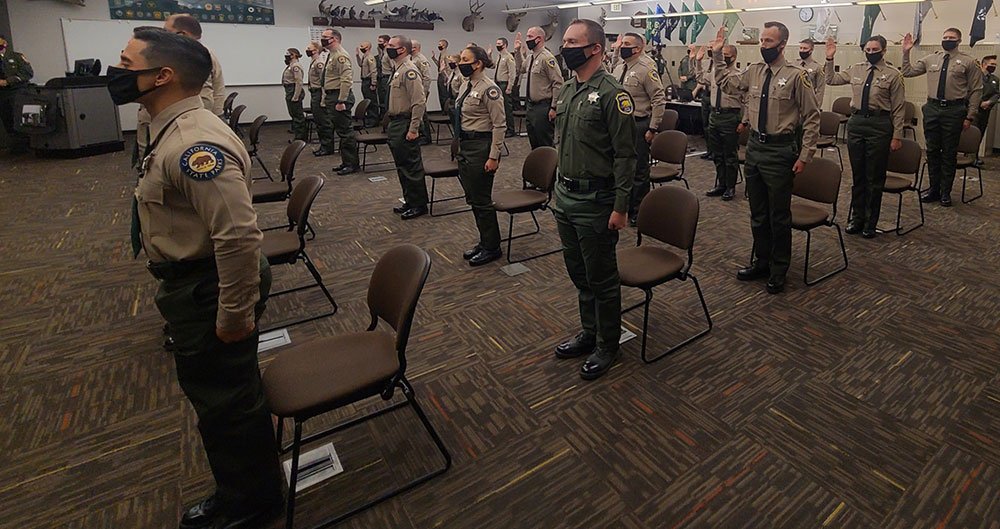
Becoming a game warden in California requires completing a rigorous training program with the California Department of Fish and Wildlife, including passing physical and academic tests, and undergoing a background check.
Have you ever felt a pull towards the wild places of California, a desire to protect its diverse wildlife and ecosystems? Do you wonder how to become a game warden in California, someone who directly impacts conservation efforts? The path is challenging but rewarding, leading to a career of service and dedication to nature.
This article explores the specific requirements needed for this crucial role, offering guidance if you are considering a career focused on California’s natural heritage. We will examine the steps involved, from meeting the initial qualifications to completing the necessary training.

How to Become a Game Warden in California
So, you’re thinking about becoming a game warden in California? That’s awesome! It’s a really important job, and it’s perfect for people who love the outdoors and want to protect California’s wildlife. Game wardens, also called wildlife officers, are like the superheroes of the natural world. They make sure people follow the rules about hunting, fishing, and using our public lands. They also work to protect endangered animals and their habitats. It’s not always easy, but it’s incredibly rewarding for those who feel a calling to conserve the environment. Let’s dive into all the steps you’ll need to take to turn your dream into a reality.
Understanding the Role of a California Game Warden
Before we get into the nitty-gritty of the application process, let’s talk about what game wardens actually do. They’re more than just “fish and game police,” they perform a wide range of duties that are critical for maintaining California’s natural resources.
Law Enforcement: A big part of the job involves enforcing California’s Fish and Game Code. This means patrolling areas where hunting and fishing happen, checking licenses, and making sure people are following the rules. They also investigate reports of poaching or illegal activity. This includes apprehending and citing violators.
Wildlife Protection: Game wardens help keep animals safe. This can mean rescuing injured wildlife, making sure animals aren’t being illegally trapped or harmed, and working with other agencies to protect endangered species. They spend considerable time in the field, observing animal populations and habitats.
Public Education: Another important aspect is teaching people about California’s natural resources and the rules that protect them. Game wardens give presentations to schools and community groups, share information at public events, and interact with the public daily in the field.
Community Engagement: They frequently interact with the public, acting as a resource for outdoor recreation and answering many questions about hunting, fishing and the environment. Building relationships with the community and outdoor enthusiasts is also key to preventing violations.
Environmental Conservation: Game wardens actively participate in conservation efforts. This can include assisting with habitat restoration projects and working with biologists to manage wildlife populations. They play a crucial role in preserving California’s biodiversity.
Emergency Response: They are often first responders in outdoor emergencies, providing assistance in situations like wildfires, floods, and search and rescue operations in the wild.
Investigations: They conduct complex investigations of violations, often involving sophisticated methods of poaching or unlawful activity. They gather evidence, write reports, and present their cases in court.
Being a game warden is a varied and challenging job. It requires good judgement, knowledge of the law, and a deep respect for nature.
Meeting the Basic Requirements
Before you can even think about applying, you need to meet a few basic requirements. Think of these as the starting line of your journey.
Age: You need to be at least 18 years old to start the application process. It’s important that you are a mature adult ready for the responsibilities of the job.
Citizenship: You have to be a United States citizen, or be a permanent resident who is eligible and has applied for citizenship. This is a standard requirement for many law enforcement positions.
Education: You need to have a high school diploma or the equivalent, like a GED. Some candidates may have an associate’s or bachelor’s degree, which can be beneficial during the competitive hiring process. But the minimum is high school graduation.
Driver’s License: You absolutely must have a valid California driver’s license. Game wardens spend a lot of time driving to different locations, so this is crucial. You’ll also need a clean driving record.
Physical Fitness: Being a game warden is a physically demanding job. You must be in good physical shape and able to handle the rigors of the job. You will need to pass a physical fitness test, which we will discuss later.
Background Check: You’ll be subject to a thorough background check, including fingerprinting. Law enforcement requires people with integrity, and this process ensures you have a clean record.
Firearm Qualifications: You must be eligible to own and possess a firearm under both state and federal law. This is essential since game wardens carry firearms as part of their duties.
Meeting these basic requirements is the very first step to ensure you are qualified to apply.
Educational Paths and Gaining Relevant Experience
While a high school diploma is the minimum requirement, a college degree can make your application more competitive. There are certain fields of study that can be incredibly useful.
Recommended College Majors
Criminal Justice: This is a very popular choice and teaches you about the law, the court system, and law enforcement procedures.
Environmental Science: This major provides in-depth knowledge of ecology, conservation, and natural resource management.
Wildlife Management: This field focuses specifically on the management and protection of animal populations and their habitats.
Biology: Understanding how living organisms function is essential to comprehending the impact of human activities on ecosystems.
Natural Resources Management: This degree covers the wide range of natural resource issues and the strategies to address them.
A college degree isn’t mandatory, but it can certainly give you a significant advantage during the application and selection process. It can also qualify you for a higher pay grade as a new officer.
Gaining Relevant Experience
Experience in related fields is also highly valued by the hiring agency, the California Department of Fish and Wildlife (CDFW). Even if you don’t have a college degree, practical experience can make you a strong candidate. Here are a few areas where you can gain relevant experience:
Working with Wildlife: Volunteering or working at wildlife rehabilitation centers, zoos, or nature reserves can provide valuable hands-on experience with animals.
Law Enforcement Experience: Any experience you have in law enforcement, even as a security guard, park ranger, or dispatcher, can demonstrate your understanding of protocols and procedures.
Outdoor Skills: Experience as a park ranger, wilderness guide, or even just lots of time spent hunting and fishing can prove your comfort in outdoor environments.
Military Service: Prior military service demonstrates discipline, leadership, and the ability to follow a chain of command, which are all key qualities for a game warden.
Conservation Work: Volunteering for conservation organizations or participating in habitat restoration projects is valuable experience.
Public Service: Working in any position where you interact with the public can hone your communication and interpersonal skills.
The Application Process Step by Step
Okay, you’ve met the basic requirements, you’ve possibly got some good education and experience under your belt, now it’s time to tackle the application process itself. Here’s a detailed look at what to expect:
- Online Application: The first step is to create an account and submit an online application through the California Department of Human Resources (CalHR) website. This process includes filling out your personal information, educational background, and work history.
- Examination: Once you submit your application, you may be invited to take an examination. This exam might include a written test and an interview. The written test will assess your knowledge in areas like law enforcement, natural resources, and general reasoning.
- Background Investigation: If you pass the exam, you’ll move onto a comprehensive background investigation. This is a deep dive into your past, checking employment history, criminal records, credit history, and interviews with references.
- Psychological Evaluation: You will need to undergo a psychological evaluation, which includes a written exam and an interview with a psychologist. This assesses whether you are mentally suitable for law enforcement work.
- Medical Examination: A complete medical exam is required to ensure you can meet the physical demands of the job. You will undergo tests to check your vision, hearing, and overall physical health.
- Physical Fitness Test: You will need to complete a physical fitness test. This typically includes things like running, push-ups, sit-ups, and other exercises that prove your physical strength and endurance.
- Peace Officer Standards and Training (POST) Background Check: If you are offered a position, a final background check by POST will be conducted. This is the standard for all law enforcement in California.
- Academy Training: Once you’re hired, you will attend the game warden academy to undergo further specialized training.
This process takes time, and it’s essential to be patient and thorough throughout every step. Let’s look at a few of these steps in detail.
The Written Examination
The written exam tests a range of knowledge areas. Some topics that are commonly covered include:
California Fish and Game Code: A solid understanding of the laws and regulations related to wildlife and natural resources is critical. This would be important to study.
Basic Law Enforcement Principles: You’ll be tested on your grasp of law enforcement procedures, including search and seizure, use of force, and arrest.
Basic First Aid and Safety: As a game warden, you need to be able to respond in emergency situations.
Report Writing: You will be tested on your ability to write clear and concise reports, a vital part of law enforcement duties.
Natural Resources Management: Questions will cover topics about wildlife biology, ecology, and management of public lands.
Basic Math and Reasoning: You must show a basic aptitude for mathematical reasoning and problem-solving.
To prepare for this exam, you should study the Fish and Game Code, take some practice tests for law enforcement, and review your knowledge of natural resources.
The Background Investigation
The background investigation is extensive and covers many different areas of your life. Here’s a closer look at what they’ll investigate:
Criminal History: They will check for any criminal convictions, arrests, or even traffic violations.
Employment History: They will contact your previous employers and look at your past work performance, attendance, and reasons for leaving jobs.
Credit History: This provides information about your financial responsibility.
Personal References: They’ll talk to people who know you well.
Social Media Check: They may review your social media accounts for questionable content.
Interviews: Investigators may interview neighbors, family, or friends.
Be completely honest and transparent throughout this process. Any attempt to conceal information will likely disqualify you from becoming a game warden.
Physical Fitness Requirements
Physical fitness is very important to perform the duties of a game warden. The fitness test isn’t easy, and you should start preparing in advance. The specific exercises can vary slightly, but generally include:
1.5-Mile Run: You need to be able to run this in a specified time.
Push-ups: You’ll need to complete a set number of push-ups, usually without stopping.
Sit-ups: Same as push-ups, you’ll need to perform a set number correctly.
Vertical Jump: This will test your explosive power.
Agility Run: You’ll have to move quickly through a set course of obstacles.
It’s essential to start a training routine early. This could include running, strength training, and cardio workouts. The California Department of Fish and Wildlife publishes the specific standards, so make sure you’re familiar with them.
Game Warden Academy Training
Once you pass all the selection requirements and are hired, you’ll attend the game warden academy. This is a rigorous training program.
Law Enforcement Training: You’ll learn about the California Penal Code, arrest procedures, and tactical skills like self-defense.
Firearms Training: You’ll receive extensive training in the safe use of firearms and other weapons.
Wildlife Law Enforcement: This specialized training focuses specifically on the Fish and Game Code, poaching investigations, and species identification.
Environmental Education: You’ll learn about the ecology of California’s ecosystems, the identification of different species, and the principles of natural resource management.
Physical Training: Regular physical training sessions during the academy will keep you in peak condition.
Emergency Vehicle Operations: You’ll receive training in driving patrol vehicles in emergency situations.
First Aid and CPR: You’ll become certified in first aid and CPR.
Water Safety Training: Depending on your assigned location, you may receive training in water safety, boating operations, and search and rescue.
Field Training: This training takes place in the field and allows you to put your skills and knowledge to practice with a more experienced game warden.
The academy training is both mentally and physically demanding, but this is where you will gain the skills needed to become a successful game warden. It’s the final piece of the puzzle on the path to a successful career.
Life as a Game Warden
After graduating from the academy, you will become a field officer. Life as a game warden is anything but ordinary, and can be quite varied. Here is what to expect day to day:
Patrol: Much of your time will be spent patrolling assigned areas. This could be in a vehicle, on foot, by boat, or even on horseback or an ATV. Patrols can be scheduled at any time, day or night, in all types of weather.
Enforcement: You’ll be enforcing the law by contacting people in the field, checking licenses and permits, and responding to calls from the public.
Investigations: You will work on cases that involve the violation of fish and wildlife laws. This might involve surveillance, interviews, and collecting evidence.
Education and Outreach: You’ll interact with the public, providing information about the laws and promoting outdoor safety and ethics.
Wildlife Management: You may assist in wildlife counts, surveys, habitat restoration, and species management.
Report Writing: Writing reports and documenting your activities will be a regular part of the job.
Court Appearances: You may need to testify in court as part of your duties.
Community Engagement: Engaging with the local community can be a big part of the job.
Unexpected Situations: You’ll face unpredictable and sometimes dangerous situations.
Life as a game warden is filled with adventure and responsibility. It can be challenging, but the rewards of preserving California’s natural resources are immeasurable.
Being a game warden is a challenging yet fulfilling career for those passionate about the outdoors and conservation. It is essential to meet the requirements, prepare for the rigorous selection process, and go through academy training to become a warden in California.
How to Become a Game & Fish Warden
Final Thoughts
Aspiring wardens must meet specific age, education, and background criteria. They need to pass rigorous physical and psychological tests. Completing the California Department of Fish and Wildlife’s training academy is also essential.
Furthermore, candidates often need a bachelor’s degree. Experience in law enforcement or natural resources management can strengthen your application. The process to become a game warden in california requires dedication and hard work.
Successfully completing the academy and probationary period ultimately qualifies someone as a warden. This role demands ethical conduct and an ongoing commitment to conservation. If you wonder how to become a game warden in california, prepare thoroughly for each step.

