
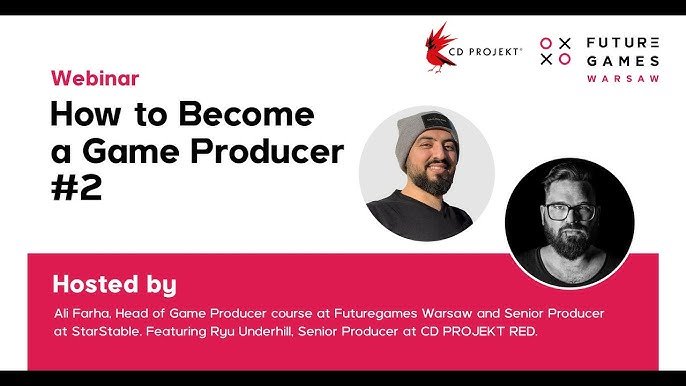
To become a game producer, you should gain experience in game development, build strong project management skills, and develop a deep understanding of the game production cycle.
So you’re drawn to the exciting world of video games? Maybe you’re thinking about a role that sits right at the heart of creating them. How to become game producer is a question many aspiring individuals ask.
This path requires a blend of creativity and organization. You’ll need to understand the nitty-gritty of game production. You also will have to manage teams and schedules effectively.

How to Become a Game Producer: Your Path to Game Development Leadership
So, you love video games and dream of being more than just a player? You want to be the person who guides the creation of amazing game worlds? Then you might be thinking about becoming a game producer! It’s a fantastic and rewarding career where you get to help bring the visions of game designers, artists, and programmers to life. It’s not about writing code or drawing characters yourself; it’s about leading a team and making sure everything comes together to create a great game. This role is a big responsibility, but with the right steps and knowledge, you can definitely achieve it. Let’s explore what it takes to walk this exciting path.
Understanding the Role of a Game Producer
Before we jump into how to become one, let’s really understand what a game producer does. Think of them as the project managers of the gaming world. They are the glue that holds the entire development process together. Here’s a closer look at their key responsibilities:
- Project Management: Game producers plan the entire project, create timelines, and make sure everyone is on schedule. They track progress and manage resources like budget and people.
- Team Leadership: They lead and motivate the game development team, which can include designers, artists, programmers, audio engineers, and testers. Good communication is very important, as they’re the point person for all of these different groups.
- Problem Solving: When issues arise (and they always do!), the producer is the one who finds solutions. They identify roadblocks, work through problems and keep the team moving forward.
- Quality Assurance: The producer makes sure the final game meets the quality standards they set at the beginning. They review the game to ensure it’s fun and bug-free.
- Communication: They keep all stakeholders (including publishers or investors) informed about the project’s progress and challenges.
- Budget Management: They make sure the game is developed within the agreed upon budget. They are also always looking for ways to optimize and not overspend.
- Risk Management: The game producer will identify potential risks that can affect the game’s development and come up with contingency plans to mitigate these.
It’s important to recognize that the game producer is not necessarily a subject matter expert in every discipline (art, programming, design). Rather, they need to understand each area well enough to communicate effectively with all members of their team and anticipate potential problems.
Game Producer vs. Other Game Development Roles
It’s easy to confuse a game producer with other roles. Let’s clarify some key differences:
- Game Designer: Designs the actual game mechanics, levels, rules, and the story. They focus on the “what” of the game.
- Programmer: Writes the code that makes the game work. They focus on the “how” of the game.
- Artist: Creates the visual elements of the game, like characters, backgrounds, and animations. They focus on the “look” of the game.
- Game Producer: Oversees the entire process. They focus on making sure the game is finished on time, within budget, and to a high standard. They are responsible for the “when” and “how” the game is built.
Essentially, the producer is the conductor of the game development orchestra, while the designers, programmers, and artists are the musicians.
Getting the Necessary Education and Skills
While there isn’t one single degree that guarantees you a game producer job, having a solid education and developing key skills will really help. Here’s a breakdown:
Educational Paths
- Bachelor’s Degree: A bachelor’s degree in a related field can be beneficial. Consider fields like:
- Project Management: This degree will teach you the foundations of planning, scheduling, and managing a team.
- Business Administration: Provides a solid understanding of business principles, which are vital for managing budgets and contracts.
- Game Development: This degree usually covers various aspects of game creation, which gives you a better perspective of the production process.
- Computer Science: You’ll learn about the technical side of game development, which can be extremely helpful.
- Communications: A strong foundation in communications skills is important for the job, as it will help you manage your team more effectively.
- Master’s Degree: A master’s degree is not always needed but a master’s in project management, game development, or business administration can make your resume stand out.
These educational paths can equip you with a fundamental understanding of game development processes, business principles, and project management methodologies.
Essential Skills for Game Producers
Beyond formal education, there are several vital skills every game producer should strive to develop. Here are some of the most important:
- Project Management Skills: The ability to create schedules, track progress, manage resources, and mitigate risks is critical.
- Communication Skills: You need to be able to clearly communicate with the different teams, as well as with the higher ups. Being able to write effective emails and conduct clear presentations is a must.
- Leadership Skills: The ability to motivate and guide a team, resolve conflicts, and make decisions effectively is important.
- Problem-Solving Skills: Being able to identify and address problems quickly is a must as issues will appear.
- Organization Skills: Keeping track of many moving parts, staying on schedule, and making sure that all documents are filed, all while keeping your cool, is essential for a game producer.
- Knowledge of Game Development Process: A good producer doesn’t need to know how to code or create art at a professional level, but they should still understand the technical aspects of each job.
- Budgeting and Financial Skills: The ability to track and control a budget, estimate costs, and negotiate vendor contracts.
- Negotiation Skills: You will often need to negotiate with team members and sometimes with higher ups to secure specific resources or to compromise on deadlines.
- Time Management: Ability to manage your time and your team’s time effectively to meet the project deadlines.
- Adaptability: Game development is a very unpredictable field. Being able to adjust to unexpected events is key to success.
Developing these skills will allow you to manage projects more effectively, lead a team, communicate more clearly, and ultimately have a better grasp on your game development lifecycle.
Gaining Experience in the Gaming Industry
Education is valuable, but real-world experience is often what helps you land that game producer role. Here’s how to gain that crucial experience:
Starting from the Bottom
Many game producers start in other roles within the game industry. This gives them a view of the different aspects of game development. Consider these starting positions:
- Game Tester: This can provide you with a lot of insight into the quality assurance process, which is an important part of a producer’s role.
- Quality Assurance (QA): Similar to testing, but may involve more formalized testing processes and tracking bugs.
- Project Coordinator/Assistant Producer: These roles often involve basic project management tasks and provide opportunities to learn from senior producers.
- Customer Support: Working with players can provide a deeper understanding of the game from the user’s perspective and give you an insight into issues players are facing.
Starting in an entry-level position is a good way to understand different areas of the game development process. These positions also allow you to make contacts within the industry that can be very helpful down the line.
Building Your Portfolio
A portfolio is a great way to show your experience, even if it isn’t specifically in game production. It showcases your abilities and helps potential employers understand your skills. Here are some things you can do to build a solid portfolio:
- Personal Game Projects: Participating in game jams, indie game development, or creating your own games can help demonstrate your project management skills. Even if you are not coding, you can be the project manager of your team and showcase how you manage schedules and timelines.
- Project Management Examples: Highlight any project management experience, even if it’s not related to games. Include timelines, budgets, and progress reports to show your competency.
- Volunteer Work: Look for volunteer opportunities in the gaming industry. You could volunteer to manage a community project, for example.
- Industry Internships: Internships provide valuable hands-on experience working with professionals in the industry.
A well rounded portfolio shows that you are passionate about game creation and have the skills needed for a game producer role.
Networking
Networking is an essential aspect of the game industry. You never know when that next connection could lead to a job opportunity. Here are some ways to connect with people in the industry:
- Attend Industry Events: Go to game conferences, trade shows, and meetups to connect with people who work in the industry.
- Online Communities: Join online groups and forums related to game development. Participating in discussions and asking questions is a good way to get to know people online.
- LinkedIn: Connect with people in the game industry on LinkedIn.
- Informational Interviews: Connect with people who are currently in the role you want and ask them about their career path.
Building a strong professional network will open doors to opportunities and advice, which can be very helpful to your career.
Advancing Your Career
Once you get your first game producer position, that’s not the end of the journey. There is still a lot to learn and a lot of room to grow. Here are some ways to advance your game producer career:
Gaining Experience as an Associate Producer
Many producers start as associate producers before moving to the main role. This role allows them to learn from senior producers. You’ll likely handle some project management duties and work alongside a senior producer to gain experience.
- Take on More Responsibilities: Try to show you’re ready for greater responsibility by taking on more tasks and proving yourself.
- Learn from Mentors: Seek out guidance from senior producers, and ask questions to make sure you are always improving.
- Show Your Potential: Being reliable and showing you have the right skills will help prove that you’re ready for the next step.
Moving to Lead Producer
With more experience, you can move into the lead producer position. As a lead producer, you will oversee multiple projects, and will often have a team of associate producers you’ll manage.
- Manage Multiple Projects: You’ll have to keep track of multiple teams, projects, and timelines, which requires careful organization and a good team.
- Mentoring: You will probably be in charge of training and mentoring associate producers to help them develop.
- Strategic Thinking: At this level, you’ll get to take on a more strategic role where you are more involved in the planning and vision for projects.
Becoming an Executive Producer
At the executive level, producers are involved in the business decisions and overall strategy of game development studios. They may be in charge of multiple studios and are involved in a company’s long-term goals.
- Strategic Vision: Executive producers are usually involved in the overall business strategy of the company. They oversee development plans, budgets, and long-term goals.
- Management: You will be managing a group of lead producers. You will not be as hands-on with projects as you were earlier in your career.
- Business Decisions: You will be making more decisions related to the business aspects of the game industry. You might be involved with publisher relationships, marketing plans, and financial strategies.
Continuous Learning
The game industry is constantly changing. To be a successful producer, you must be a lifelong learner. Stay on top of industry trends, new technologies, and game development methodologies.
- Attend Workshops: Go to workshops and seminars to learn about the latest trends and technologies.
- Read Industry Publications: Stay current on industry news and trends.
- Take Online Courses: There are tons of online courses you can take to improve your skills in game development, project management, and leadership.
Continuously learning will keep you competitive and relevant in this fast paced and constantly evolving industry.
The Daily Life of a Game Producer
Let’s look at what a typical day might look like for a game producer. Keep in mind that every day is different, and the responsibilities change depending on where the game is in the development process.
- Morning: Check on the team’s progress, respond to emails, and make sure all tasks are on track. You might have meetings with the various team leads (art, programming, design) to discuss any potential roadblocks.
- Midday: Meetings to discuss the game design, plan new features, talk about timelines, and brainstorm potential solutions to problems. Lunch is usually spent with the team as well to keep morale up.
- Afternoon: More meetings and more discussions with the different teams to understand what needs to get done and where they might need more support.
- Late Afternoon/Evening: Reviewing game builds to test for any problems, creating reports for stakeholders, and planning for the next day.
A game producer’s daily life can be busy, fast-paced, and challenging, but it’s also incredibly rewarding when you see your game come to life and players enjoy the final product.
Becoming a game producer requires dedication, a diverse set of skills, and plenty of hard work. The path might not always be easy, but it’s definitely achievable. By understanding the role, getting the right education and experience, and continuously improving your abilities, you can become a successful game producer and a guiding force behind many amazing game experiences. If you have a passion for games and a desire to lead teams, then the career of game producer might be the right path for you. Start working on building your skills today and remember, every great game started with a plan and a team led by a dedicated producer like you!
The Role of a Producer in games development – The good and the bad!
Final Thoughts
To become a game producer, you need relevant experience, which can include roles in QA, design, or project management. Building a strong portfolio demonstrates your ability to manage a game’s development process. Networking within the industry helps you find opportunities.
Gaining knowledge of game development pipelines is also crucial. Showcasing excellent communication skills is important for the job. Consider taking specific game production courses.
Ultimately, a combination of experience, knowledge, and the right connections will guide you on how to become game producer.

