
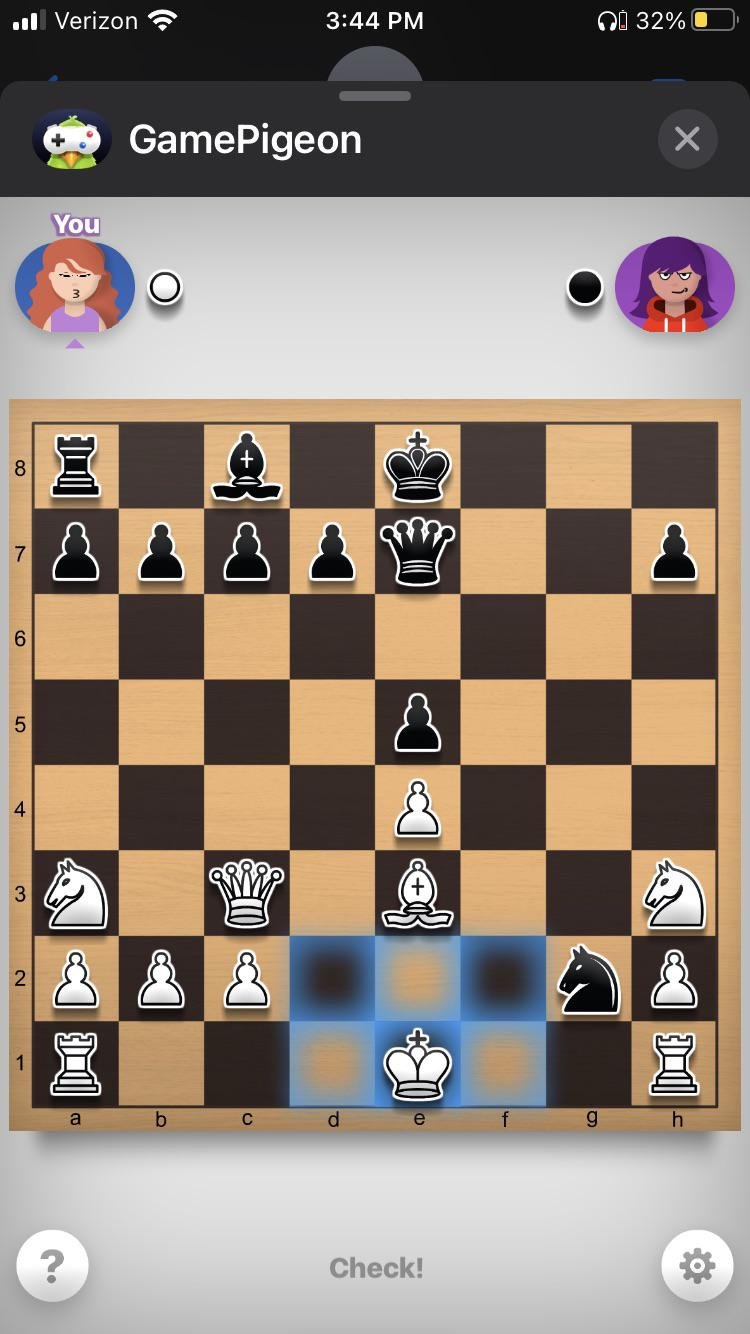
To castle in Game Pigeon Chess, move your king two squares towards the rook you wish to castle with, then the rook moves to the square the king crossed over.
Ever been stumped on how to castle in Game Pigeon chess? It’s a special move that can really change a game, offering both king safety and better rook positioning. Understanding this move is key to improving your chess strategy.
It’s quite simple once you grasp the mechanics, and this short guide will explain everything. It is essential to know how to castle in Game Pigeon chess if you want to develop as a good player.

How to Castle in Game Pigeon Chess
Okay, chess fans! Let’s talk about one of the coolest moves in the game: castling. It might seem a little tricky at first, but once you understand it, you’ll be using it all the time in Game Pigeon Chess. Castling is like a secret power-up that helps protect your king and gets your rook into the game faster. It’s a great defensive move and also helps you get ready for a strong attack. So, let’s dive in and learn exactly how to do it!
Why is Castling So Important?
Before we get into the ‘how,’ let’s talk about the ‘why.’ Castling is a vital move for a few really good reasons:
- King Safety: The most important reason! At the beginning of a chess game, your king is often in the center of the board, which can be a dangerous place. Castling moves your king to the side, where it’s much safer behind a wall of pawns.
- Rook Activation: Rooks are powerful pieces, especially in the later stages of a game, but they can sometimes feel stuck in the corners. Castling lets your rook move to a more active and useful square.
- Combined Defensive Strategy: By moving your king to safety and bringing a rook into play, castling helps create a solid defense, making it harder for your opponent to launch a successful attack early in the game.
The Two Types of Castling
There aren’t just one, but two ways to castle! You can choose which one to use depending on your strategy and the current situation on the board. They are called Kingside castling and Queenside castling. Let’s break down how each one works.
Kingside Castling
Kingside castling is the most common type. Here’s how it works:
- Initial Setup: Your king is on its starting square (e1 for white, e8 for black), and the rook you are going to use is on its starting square on the king’s side (h1 for white, h8 for black). There shouldn’t be any pieces between them (bishop, knight, pawns).
- King Move: The king moves two squares towards the rook, from e1 to g1 (for white), or e8 to g8 (for black).
- Rook Move: The rook jumps over the king and lands on the square right next to the king, on f1 (for white), or f8 (for black).
That’s it! Your king has moved to a safer position on the ‘king’s side’ of the board, and your rook is in play. Remember, it’s always the king that moves two squares, then the rook jumps over it.
Visualizing Kingside Castling: Imagine a little ‘castle’ being formed on the king’s side of the board. The king finds protection behind pawns, and the rook becomes much more active in the game.
Queenside Castling
Queenside castling is a bit less common, but it’s just as important to know. It involves a similar principle but with the queen’s side rook and slightly different moves.
- Initial Setup: Your king starts on its initial square, and the rook you are going to use is on its starting square on the queen’s side (a1 for white, a8 for black). Just like Kingside castling, there can’t be any pieces between them (bishop, knight, pawns).
- King Move: The king moves two squares towards the rook, from e1 to c1 (for white), or e8 to c8 (for black).
- Rook Move: The rook jumps over the king and lands on the square next to the king, d1 (for white), or d8 (for black).
Visualizing Queenside Castling: Here, you are forming your mini ‘castle’ on the queenside of the board, with the king tucking away towards the edge.
When Can You Castle? The Rules
Castling is a special move, and there are several rules you must follow before you can do it. Don’t worry; they’re not too complicated, and once you know them, they’ll become second nature:
- Neither the King nor the chosen Rook have moved yet: If you’ve moved your king or the rook you’re planning to use for castling, even by just one square, you can no longer castle with that king or that rook.
- No Pieces between King and Rook: The path between your king and the chosen rook must be clear. No other pieces, not even your own, can be in between.
- King is not in Check: You can’t castle if your king is under attack (in check). Also you can’t castle out of check.
- King Can’t Move Through Check: Your king cannot move through a square that is under attack by an enemy piece during castling.
- King Can’t Land in Check: Your king can’t land on a square that is under attack after completing the castling move.
Let’s look at examples to make these rules clearer:
Examples of Legal Castling
In these scenarios, castling is allowed:
- You have not moved the king or the rook.
- There are no pieces between the king and the rook.
- The king is not in check.
- The king does not move through or land in check.
Examples of Illegal Castling
Here are the situations where castling is not permitted:
- King or rook already moved: If you have moved the king or the intended rook, you can’t castle with them.
- Pieces in the way: If any piece sits between the king and rook, castling is not allowed.
- King in check: If the king is currently under attack, castling is not allowed.
- King moves through check: Even if the king is not initially in check, you can’t castle through a square that is under attack.
- King moves to check: You can’t castle to a square where the king will be under attack.
Castling in Game Pigeon Chess
The rules for castling in Game Pigeon Chess are exactly the same as in regular chess. Game Pigeon makes the process straightforward. To castle, you simply drag the king two squares toward the desired rook (either kingside or queenside), and the rook will automatically jump to its correct position. The app ensures you make a legal move, preventing errors. If you try to castle when it’s not permitted, the app will not let you and give a gentle reminder that castling is not allowed in that scenario.
Tips for Effective Castling
Here are some pro-tips for making the most of castling in your Game Pigeon chess games:
- Castle Early: It is generally a good idea to castle early in the game. It’s better to get your king out of the center early for safety.
- Plan Ahead: Think about whether you will want to castle kingside or queenside. This can influence how you develop your pieces.
- Don’t Delay Too Long: If you delay castling too long, your king may be vulnerable, and your opponent might be in a better position to attack.
- Be Aware of Threats: Be careful of any potential threats that can stop you from castling, like your opponent’s piece targeting the squares between your king and rook.
- Use Castling to Your Advantage: Once castled, remember your king is usually safe. Use this to your advantage to develop an attack strategy.
Common Mistakes to Avoid
Even though castling seems simple, players often make mistakes. Here are a few to avoid:
- Moving the king or rook before castling: This is the most common mistake. Remember to plan your moves so that you can castle as quickly as possible.
- Trying to castle when you can’t: Pay close attention to check and avoid trying to castle when your king is under attack or your king has to move through check. The Game Pigeon app won’t allow the move but knowing the rules is important.
- Ignoring the safety of the king’s path: Always double-check to ensure that your king doesn’t move through a square that is under attack.
How to Practice Castling
Practice makes perfect! Here are some ways to get better at castling in Game Pigeon chess:
- Play more games: The best way to learn is through practice. Play more games of Game Pigeon chess and focus on castling in all your games.
- Study examples: Look at games online or use puzzles to understand when castling is most effective.
- Use practice mode: Some chess apps have practice modes where you can just focus on certain moves, like castling.
- Think about it: While playing, pay attention to the board. See when it would be best to castle and look at any potential threats before making the move.
By practicing these tips, you will become much more comfortable with castling, and you will soon make the move automatically. Castling is not just a rule; it’s an essential part of strategy, especially for new players to learn early on.
Castling: A Key to Chess Success
Castling may seem like a complicated concept initially, but it is a fairly simple move to learn when all the rules are well understood. As we’ve discussed, castling is an essential strategic component in the game of chess, and mastering this move will significantly improve your gameplay in Game Pigeon Chess. Always remember the rules, watch out for possible threats and use castling to your advantage for solid defense and a successful offense. Enjoy your chess journey with Game Pigeon!
Can You Castle In Game Pigeon Chess? – The Board Game Xpert
Final Thoughts
To castle in Game Pigeon chess, you must not have moved your king or the chosen rook. Also, there can be no pieces between them. The king moves two squares towards the rook, then the rook jumps over the king to the adjacent square.
Remember, the squares the king passes through or lands on cannot be under attack. These rules explain ‘how to castle in game pigeon chess’. It’s a useful move for protection.

