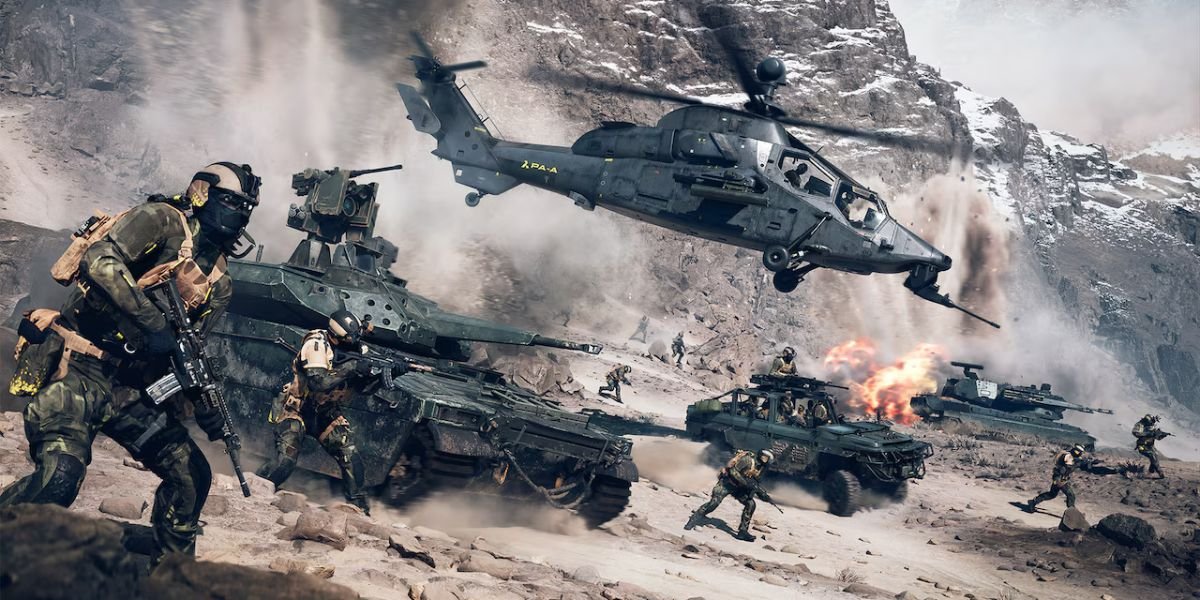
Countering attack helicopters and jets in Battlefield 6 as infantry primarily involves employing rocket launchers like the Javelin or RPG, utilizing designated AA launchers when available, and coordinating with your squad to focus fire on these aerial threats.
So, you’re tired of being strafed by jets and helicopters in Battlefield 6? You want to know how to counter attack helicopters and jets in Battlefield 6 as infantry, right? Don’t worry; you’re not alone.
These flying menaces can dominate a match, but infantry isn’t entirely helpless. You actually have some decent options when you’re on the ground. We’ll cover the tools and tactics you need to take them down.

How to Counter Attack Helicopters and Jets in Battlefield 6 as Infantry
The skies above Battlefield 6 are a dangerous place. Attack helicopters and jets can easily dominate the battlefield.
But infantry isn’t entirely helpless. With the right tactics and equipment, you can effectively counter these aerial threats.
Understanding the Threat
Knowing your enemy is the first step to defeating them. Attack helicopters are generally slower and more maneuverable than jets.
They often pack a mix of explosive rockets, machine guns, and sometimes anti-tank missiles. Jets, on the other hand, prioritize speed and air-to-air combat.
They typically carry cannons and air-to-ground missiles or bombs. Understanding their strengths and weaknesses is key.
Helicopter Weaknesses and Exploitation
Helicopters are vulnerable to sustained fire and lock-on weapons. Their low altitude makes them easy targets for ground-based countermeasures.
Jets are faster and harder to hit. However, their predictable flight patterns during attack runs leave openings.
Essential Equipment for Anti-Air Infantry
Equipping yourself correctly is crucial for anti-air combat. Several gadgets and weapons are effective against helicopters and jets.
Choosing the right loadout can significantly increase your survivability. It also improves your ability to damage enemy aircraft.
Anti-Air Missile Launchers
Anti-air missile launchers are the primary tool for infantry anti-air. These launchers fire heat-seeking missiles that lock onto aircraft.
Different launchers may have varying lock-on ranges, damage, and reload times. Mastering the use of these launchers is essential.
The Stinger Launcher
The Stinger launcher is a classic anti-air weapon. It’s known for its ease of use and reliable lock-on capabilities.
It is effective against both helicopters and jets at medium range. The Stinger is a great all-around choice for beginners.
The Igla Launcher
The Igla launcher offers increased damage output. However, it often features a shorter lock-on range.
This launcher requires more precise aiming and timing. It’s best suited for experienced players who can anticipate enemy movements.
The Javelin Launcher
The Javelin launcher is primarily designed for anti-tank combat. However, it can also be used against helicopters.
Its top-attack trajectory makes it particularly effective against helicopters hovering behind cover. Using it requires careful aiming and understanding of its flight path.
Lock-On Jammers and Countermeasures
Aircraft have access to countermeasures like flares and ECM jammers. These can defeat incoming missiles.
Understanding how these countermeasures work is critical. You need to time your shots to avoid being spoofed.
Using Cover and Concealment
Staying hidden is essential for survival. Use buildings, trees, and other terrain features to break line of sight.
This allows you to avoid being targeted by aircraft while preparing your attack. Proper positioning can give you a significant advantage.
Coordinating with Your Team
Anti-air defense is most effective when coordinated. Work with your team to provide overlapping coverage.
Communicate enemy aircraft positions and movements. A coordinated effort can quickly neutralize even the most skilled pilots.
Advanced Anti-Air Tactics
Beyond basic equipment and positioning, advanced tactics can further enhance your effectiveness. These tactics involve understanding aircraft behavior and exploiting their weaknesses.
Leading Your Shots
When engaging jets, leading your shots is crucial. Jets move quickly and require you to anticipate their trajectory.
Practice aiming slightly ahead of the aircraft to compensate for its speed. This is especially important when using launchers with slower missile speeds.
Timing Your Attacks
Aircraft pilots often use predictable patterns during attack runs. Learn to anticipate these patterns and time your attacks accordingly.
Firing missiles just as the aircraft begins its attack run can catch the pilot off guard. This increases your chances of scoring a hit.
Baiting Countermeasures
Pilots often deploy countermeasures preemptively. You can exploit this by firing a single missile to bait out their flares.
Then, wait for the countermeasures to expire before launching a second missile. This greatly increases your hit probability.
Using Multiple Launchers
If possible, coordinate with a teammate to fire multiple missiles simultaneously. This overwhelms the aircraft’s countermeasures.
The pilot will likely only be able to deflect one or two missiles. The remaining missiles will almost certainly hit their target.
Exploiting Terrain
Use the environment to your advantage. Buildings and hills can provide cover from strafing runs.
They can also create ambush opportunities. Position yourself in areas where aircraft have limited maneuverability.
Using EMP Grenades (If Available)
EMP grenades can disable aircraft temporarily. This can provide a window of opportunity to launch a successful attack.
Or, it can simply force the aircraft to retreat. EMP grenades are especially effective against helicopters.
Weapon Specialization: A Closer Look
Different anti-air launchers excel in different situations. Mastering these nuances will greatly increase your effectiveness.
Stinger: The Versatile Option
The Stinger is a reliable and versatile launcher. It offers a good balance of range, damage, and lock-on speed.
It is effective against both helicopters and jets. Its ease of use makes it an excellent choice for most situations.
Igla: The High-Damage Choice
The Igla boasts high damage output. This makes it effective at quickly disabling or destroying aircraft.
However, its shorter range and slower lock-on speed require more precise aiming. The Igla is best suited for skilled players who can anticipate enemy movements.
Javelin: The Indirect Fire Expert
The Javelin’s top-attack trajectory makes it unique. This allows it to strike helicopters hovering behind cover.
While challenging to use against fast-moving jets, it can be devastating against helicopters in the right hands. It also requires a longer lock-on time.
Adapting to Map Design
Map design plays a significant role in anti-air combat. Some maps offer more cover and concealment than others.
Adjust your tactics based on the map. Take advantage of the available terrain.
Open Maps
On open maps, prioritize long-range anti-air launchers. Use the Stinger or Igla to engage aircraft from a distance.
Coordination with your team is crucial for providing overlapping coverage. Keep an eye out for potential ambush locations.
Urban Maps
Urban maps offer more cover and concealment. Use buildings to break line of sight and set up ambushes.
The Javelin can be particularly effective in urban environments. This is because it can target helicopters hovering behind buildings.
Understanding Aircraft Countermeasures
Aircraft pilots have access to countermeasures that can defeat incoming missiles. Learning how these countermeasures work is vital.
This knowledge helps you maximize your hit probability. It allows you to outsmart enemy pilots.
Flares
Flares are the most common type of countermeasure. They release a burst of heat that confuses heat-seeking missiles.
Time your shots to avoid being spoofed by flares. You can also bait out flares before launching a second missile.
ECM Jammers
ECM jammers disrupt the lock-on process. This makes it difficult to acquire a lock on an aircraft.
They can also break existing missile locks. Some launchers are more resistant to ECM jammers than others.
Aircraft Agility and Evasive Maneuvers
Pilots can use their aircraft’s agility to evade missiles. They can perform barrel rolls, loops, and other maneuvers to dodge incoming threats.
Leading your shots and anticipating their movements is crucial. This allows you to compensate for their evasiveness.
The Importance of Situational Awareness
Staying aware of your surroundings is essential for survival. Keep an eye on the sky for approaching aircraft.
Listen for the sound of engines and missile alerts. Knowing when an aircraft is approaching allows you to prepare your defenses.
Using the Minimap
The minimap provides valuable information about enemy aircraft positions. Use it to track their movements and anticipate their attacks.
Pay attention to the direction of aircraft icons. This helps you determine their flight path and potential targets.
Communication with Your Team
Communication is key to effective anti-air defense. Alert your teammates to approaching aircraft.
Call out their positions and movements. A coordinated effort can quickly neutralize even the most skilled pilots.
Training and Practice
Mastering anti-air combat requires training and practice. Spend time experimenting with different launchers and tactics.
Learn to anticipate enemy movements and time your shots effectively. The more you practice, the better you’ll become.
Using the Practice Range
The practice range is an excellent place to hone your skills. Use it to familiarize yourself with the different anti-air launchers.
Practice leading your shots and timing your attacks. Experiment with different tactics to see what works best for you.
Learning from Your Mistakes
Everyone makes mistakes. Don’t get discouraged if you miss a shot or get killed by an aircraft.
Learn from your mistakes and use them to improve your skills. Analyze what went wrong and try to avoid making the same mistake again.
Adapting to Battlefield Changes
Battlefield 6 is a dynamic game. The meta (most effective tactics available) is constantly evolving.
Stay up-to-date on the latest changes and adjust your tactics accordingly. Be willing to experiment with new weapons and strategies.
Following Patch Notes
Read the patch notes carefully. They often contain information about changes to weapon balance and gameplay mechanics.
Understanding these changes will help you adapt your tactics to the current meta. It will also allow you to stay ahead of the competition.
Community Forums and Discussions
Engage with the Battlefield community. Share your experiences and learn from others.
Discuss different tactics and strategies. Staying connected with the community will help you stay informed and improve your skills.
Final Note: The Satisfaction of Taking Down a Jet
There is immense satisfaction in taking down an attack helicopter or jet as infantry. It requires skill, patience, and a bit of luck.
But when you finally land that perfect shot, it’s one of the most rewarding experiences in Battlefield 6. Keep practicing, stay alert, and never give up.
How to ACTUALLY fly the Attack Choppers – A BF2042 Guide
Final Thoughts
To effectively counter air threats, prioritize team coordination and utilize cover. Employ the right loadout, specifically launchers and gadgets designed to target aircraft. Staying aware of your surroundings is a must for survival.
Consider using terrain to your advantage, breaking line of sight with buildings and natural features. Don’t forget to communicate enemy aircraft positions to your squad, and concentrate fire to bring them down quickly.
Therefore, to effectively ‘how to counter attack helicopters and jets in Battlefield 6 as infantry’, remember teamwork, appropriate gear, and situational awareness. Using cover and coordinating fire are vital for survival and success against air power.