
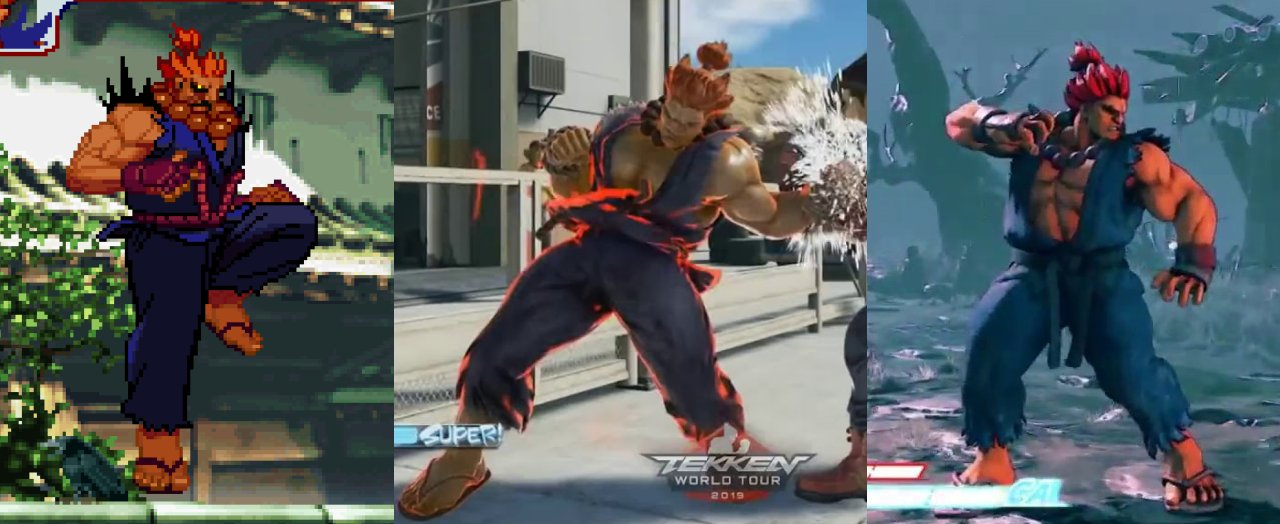
Creating a fighting game requires designing character movesets, defining game mechanics like hitboxes and combos, developing a visual style, and implementing AI for opponents.
Ever dreamed of designing your own epic clashes? You might wonder how to create a fighting game, and it can seem daunting. But breaking it down reveals a fascinating process of combining art, code, and strategy. This journey involves carefully crafting each character and their special moves. The entire experience from visual style to AI logic are key.

How to Create a Fighting Game: A Comprehensive Guide
So, you want to make your own awesome fighting game? That’s fantastic! It might seem like a big mountain to climb, but if you break it down into smaller steps, it becomes totally doable. Let’s go on a journey together to learn how to make a fighting game that will make players say “Wow!”.
Planning Your Fight: The Foundation of Your Game
Before you even start drawing characters or coding moves, you need a plan. This is like creating a blueprint for your house, it’s super important! Here’s what you need to think about:
Choosing Your Game Style
First, what kind of fighting game do you want to create? There are many cool styles, each with its own feeling and rules.
- Classic 2D Fighters: Think games like Street Fighter or Mortal Kombat. These usually have characters fighting on a 2D plane, with moves made using button combos and special inputs.
- 3D Arena Fighters: Games like Tekken or Soulcalibur put fighters in a 3D space. They move around more freely and often have complex string combos and sidestepping.
- Platform Fighters: Similar to Super Smash Bros., these games involve characters battling on platforms and trying to knock each other off. They often have a lighter, more chaotic feel.
Pick the style that excites you the most, it’ll make working on it much more fun!
Deciding on Your Theme and Story
Now, what will make your game unique? Is it a serious martial arts tournament, or a wacky brawl between cartoon animals? What story will drive your fights?
- World Building: Create a setting where the fighting makes sense. What kind of world do your characters live in?
- Character Backstories: Give your characters reasons for fighting. What motivates them? Why do they hate or love each other?
- Unique Plot: A compelling story can make players want to play more, trying to find out what happens next.
A strong theme and story can really bring your game to life, and make it stick in players’ minds.
Designing Your Characters
Your characters are the heart of your fighting game! They need to look cool and feel fun to play.
- Visual Design: What do your characters look like? Think about their style, clothing, and special features. Sketches will be your best friend here!
- Fighting Styles: How do they fight? Do they use punches and kicks, swords, or magic? Each character’s style should be unique.
- Move Sets: What special moves and combos can they do? Think about how they can chain together attacks.
Spending time creating interesting characters is super important, as they’re what players connect to.
Building the Core Mechanics: How the Game Works
Once you have a plan, it’s time to make the game actually work! This involves coding the rules and making sure everything moves and reacts the way it should.
Movement and Control
How will the players move their characters? How will they attack? Making the controls feel good is critical!
- Basic Movement: Walking, running, jumping – these are fundamental movements that need to feel smooth and responsive.
- Attacks: Light, medium, and heavy attacks. Special moves, grabs, and blocks. These actions need to be timed well and feel satisfying.
- Input Methods: Will you use keyboard keys, a joystick, or a gamepad? Your game should work well with different controllers.
The way your game feels to control will make a huge impact on how players enjoy it.
Combat System
This is where the fighting really happens! How will you handle hits, blocks, and special moves?
- Hit Detection: This involves making sure your game knows when an attack actually hits an enemy. Think of it like an invisible sensor that triggers when attacks connect with something.
- Damage System: How much damage does each attack cause? How will health bars work? Having different values for different attacks creates a sense of strategy.
- Blocking and Dodging: How will players defend against attacks? Will they block, dodge, or parry? Giving players ways to defend will make fighting more dynamic.
A well-made combat system is the foundation of every great fighting game.
Special Moves and Combos
The most exciting part of fighting games! How will your game handle unique moves and combos?
- Input Commands: What button combinations will players use to trigger special moves? Think about the motion-based inputs like quarter-circles or charge commands.
- Combo Systems: How many attacks can players string together? Will there be different types of combos?
- Super Moves: Will your game have super powerful moves that can turn the tide of the battle? These are often flashy and satisfying to pull off.
Special moves and combos are the wow factor of fighting games, and players love mastering them!
Creating Visuals and Sounds: Bringing the Game to Life
A good fighting game doesn’t just play well; it also needs to look and sound great!
Art Style and Graphics
The look of your game is really important and can be done with sprites or 3D models.
- Sprite Animation: If you’re making a 2D game, you will create each frame of movement and compile them together to make an animation. This is often done with programs like Aseprite.
- 3D Models: If you are making a 3D game, you need to create 3D models of your characters and backgrounds using tools like Blender or Maya.
- Backgrounds and Stages: These need to be exciting and match your game’s theme. Make sure they don’t distract too much from the action.
Pick an art style that fits your game and make sure it’s well-executed!
Sound Effects and Music
Sound effects and music really add another layer of depth to your game and make the hits sound impactful!
- Punch and Kick SFX: Make the impacts sound powerful! You want players to feel the weight of each hit.
- Voice Acting: If your characters are going to talk, you should consider getting voice actors to bring your character to life.
- Background Music: Choose music that fits your game’s theme and enhances the overall feel.
Don’t underestimate the power of sound! It can really make or break the experience.
Testing and Refinement: Making It Better
Once you have a working game, you’re not done! It’s time to playtest and tweak it until it feels just right.
Playtesting
Get other people to play your game! It helps to know what others think about the gameplay.
- Gather Feedback: Ask players what they like and dislike about the game. What do they find fun? What do they find confusing?
- Observe Gameplay: Watch how people play your game. Do they use your moves the way you intended? Where do they struggle?
- Iterate: Use the feedback to change the game, and test again!
Don’t be afraid to change your game based on player feedback. It will make your game better!
Balancing
Make sure each character is fair to use and that the moves are balanced.
- Character Balance: Are some characters too strong or too weak? Adjust stats and move properties as needed.
- Move Balance: Are some moves too powerful or useless? Make sure that each move is useful in a particular situation.
A well-balanced game is more fun for everyone!
Polishing
Once the game is balanced, do some polishing by fixing any bugs and make sure it looks good.
- Bug Fixing: Find and fix any issues where the game doesn’t behave as you expect.
- Visual Polish: Make sure the game looks its best and it’s easy to read.
Polishing makes your game feel complete and professional.
Tools and Resources: What You Need
Making a fighting game needs software and resources, so here’s what you might need:
Game Engines
These are the programs that help you create games.
- Unity: A powerful and flexible engine that’s great for making both 2D and 3D games.
- Unreal Engine: A top choice for high-quality 3D games, this is used by many large gaming companies
- GameMaker Studio: A more user-friendly engine that’s perfect for 2D games.
Pick one that fits your project and your skillset. All the ones mentioned are very powerful and have amazing tutorials online.
Art Programs
You will need software to draw and animate your sprites or design your 3D models.
- Aseprite: Great for 2D pixel art animation.
- Blender: A free 3D modeling and animation program.
- Adobe Photoshop: A good choice for creating textures and for all kinds of graphics.
Choose the tools that best match your chosen style. Try a few different ones to see which fits you the best.
Sound Editors
Make sure you have a program to create your sounds and music!
- Audacity: A free program for creating and editing sound effects.
- LMMS: A free digital audio workstation that’s great for creating music.
Don’t underestimate the importance of sounds! Good audio will enhance the game!
Starting Simple and Building Up
Don’t try to create the biggest and most complex fighting game right away. Start with a small prototype and build from there.
Focus on One Character
Create a single character and their moves first.
- Basic Movement: Get the character to walk, jump, and attack.
- Simple Moves: Create a couple of basic punches and kicks.
- Test and Refine: Make sure that the character feels good to control before moving on.
Start small, then grow, it’s easier to get a good result this way.
Add One Feature at a Time
Don’t try to do everything at once.
- Combat First: Add new mechanics to your game one by one, like blocking, dodging, and special moves.
- Character Variety: Add new characters to your game slowly and methodically, making sure that they are unique and balanced.
- Build on What You Have: Make sure each feature you add is working before you add another.
Small steps can get you to the finish line!
Don’t Give Up!
Making a game is not easy, but it’s a great way to practice and improve your skills.
- Be Patient: It takes time to make a good game.
- Learn from Mistakes: Everyone makes mistakes, and it’s okay to make them.
- Have Fun: Enjoy the process of creating something unique!
With passion and persistence, you can make your own awesome fighting game!
Creating a fighting game is a big task, but it is also very rewarding. Remember to plan well, build your game slowly, get feedback, and never give up! With determination and practice, you can make a fighting game that everyone will love to play.
The KEY to every GREAT fighting game.
Final Thoughts
Creating a fighting game involves careful planning. You must design distinct characters with unique move sets. Programming precise hitboxes and input timing is necessary.
Implementing effective game balance ensures fair competition. Testing and iteration are crucial for refinement. how to create a fighting game demands dedication.
Good character animation enhances the visual experience. Sound design adds impact to actions. Completing this task requires significant effort.

