
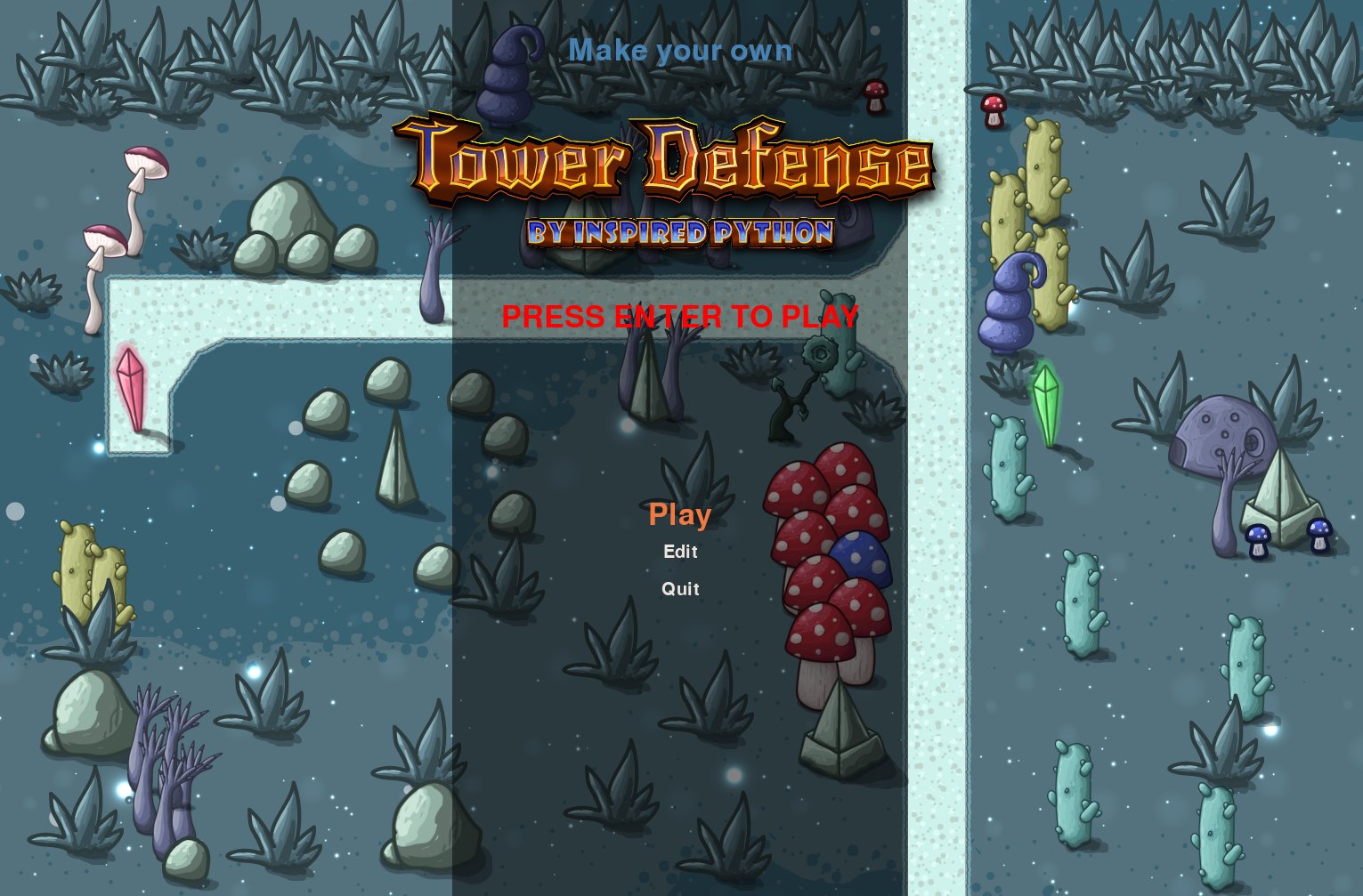
Creating a tower defense game involves designing maps, implementing towers with varying abilities, and programming waves of enemies with different characteristics and pathing.
Ever wondered how to create a tower defense game? It’s a fascinating process that combines strategy, coding, and a bit of artistic flair. We’ll guide you through the essential steps involved in making your own captivating game.
From planning the map layouts to setting up the defensive structures and crafting the AI for the invading units, you’ll see it all. This process opens doors to endless customization and creativity.

How to Create a Tower Defense Game
So, you want to build your own tower defense game? That’s awesome! Tower defense games are super fun, and making one can be a really cool project. It might seem tricky at first, but if you break it down into smaller steps, it’s totally doable. This guide will show you the basic building blocks you need to create your own exciting game.
Planning Your Game: The Blueprint
Before you jump into coding or drawing, it’s a good idea to plan things out. Think of it like building a house – you wouldn’t start hammering nails without a plan, right?
Game Concept
First, decide what kind of tower defense game you want to make. Will it be in space? A magical forest? Maybe even under the sea? The theme will help you decide what your towers, enemies, and even your map will look like. Here are a few questions to ponder:
- What’s the overall theme or setting?
- What types of towers will players use?
- What kinds of enemies will they face?
- Will there be special abilities or powers?
Consider sketching out some ideas on paper. This could be a map layout, ideas for tower designs, or even enemy character concepts. It doesn’t need to be perfect, just enough to give you a clear direction. This part will really help you get a clear picture of your game.
Map Design
The map is where the action happens! It’s the path that your enemies will follow to reach their goal. Consider these elements when designing your map:
- The Path: How will the enemies travel? Is it a straight line, a winding road, or something more complex?
- Tower Placement: Where can players place their towers? Will there be specific spots or general areas?
- Obstacles: Are there any parts of the map that enemies cannot go through? These can be natural barriers or something else.
- Map Size: Is your map going to be small and easy to navigate, or large and offer different strategic challenges?
You can draw this out on paper to help visualize the layout. Remember to make it interesting and not too easy, or too hard!
Enemy Types
The enemies are what make tower defense games fun to play. Different kinds of enemies will make the game more challenging. Here are some things to think about:
- Speed: Some enemies should be slow and tough, while others should be fast but weak.
- Health: How many hits can an enemy take before it’s defeated?
- Special Abilities: Maybe some enemies can fly, heal, or have other special moves.
- Visuals: How do they look? Are they creepy monsters, silly robots, or something completely different?
Having a variety of enemies will keep players on their toes, forcing them to consider different tower strategies.
Tower Types
Towers are your main tools for defending your base. Think about what kinds of towers will fit your game’s theme and how they will work:
- Damage Type: Will some towers be good against certain enemies but not others?
- Range: How far can a tower shoot?
- Rate of Fire: How often does a tower shoot?
- Special Abilities: Maybe some towers can slow down enemies, poison them, or give support.
- Upgrades: Can players upgrade their towers to make them even better?
Variety here is key. Players should have different tower choices to suit their playing styles and help them adapt to the variety of enemies.
Game Development: Bringing It to Life
Once you have a good plan, it’s time to start building your game. You have options for making your game: You can use a game engine. A game engine is like a toolbox with all the things you need to build a game. A few popular ones are:
- Unity: A very popular choice, and it’s free to get started! It uses C# coding.
- Godot: Another free and open-source engine, great for 2D games and uses GDScript.
- GameMaker Studio: A good engine, with a user friendly visual language and also has a coding option
Choose one that you think you can understand, or even one you are already comfortable with. These engines have tutorials and documentation to help you learn how to use them.
Setting Up the Scene
This involves creating your game’s map, placing the path, and getting things ready for towers and enemies.
- Import Assets: This means bringing in your images for the map, towers, and enemies.
- Path Creation: Mark out the path the enemies will take, usually with waypoints or points the enemy will navigate between.
- Tower Placement Zones: Define areas on the map where players can place their towers.
You might use tiles to create the map’s terrain or add extra things that make the map feel real, like rocks and trees.
Towers and Enemies Implementation
Now comes the fun part – creating the towers and enemies. This includes their behavior and making them interact with each other.
Towers:
- Tower Creation: Make objects for your different towers, including their visual sprites.
- Shooting Mechanism: Set how the towers will detect and shoot at enemies, using a raycast or a targeting system.
- Damage System: Program how much damage towers will do, and the damage types of different towers.
- Upgrading system: Write code that allows players to increase tower damage, range, and speed.
Enemies:
- Enemy Creation: Create enemy objects and set their visuals and stats like health, and speed.
- Movement: Program the enemies to follow the path you made for them using waypoints.
- Health and Damage: Implement how enemies take damage and how they reach the end of the map (and end game states).
- Enemy Spawning: Create a system for spawning the enemies in waves.
This part involves a lot of coding and some trial and error, but it’s all part of the game-making process!
Game Logic
This is what makes your game work. Things like how the player places towers, how enemies take damage, and how the game keeps track of score and money.
- Money System: Implement how players earn money from defeating enemies and spend money to buy towers.
- Tower Placement Logic: Program the rules for where players can place towers, making sure they can’t be placed on paths or in forbidden places.
- Wave System: Set up waves of enemies, each wave possibly getting harder than the last.
- Game Over Logic: Determine the criteria for losing the game, for example if too many enemies reach the goal.
This part is really important, because if things don’t work well your game won’t be fun to play. It requires testing, tweaking, and more testing!
User Interface (UI)
The UI is how the player interacts with the game, the buttons, texts, icons, and menus.
- Tower Selection: Create buttons or icons that allow players to choose which towers they want to build.
- In-Game Information: Display how much money the player has, and other important game info.
- Menus: Make menus for starting the game, pausing it, and going to a settings panel.
Keep the UI simple and easy to use. You want players to enjoy the game without struggling to understand how it works.
Testing and Refinement
Once you have your game working, it’s time to play it a lot! You will likely find lots of things that could be made better. It’s a very important step in game creation.
Playtesting
Play the game yourself and get other people to try it too. Here are some questions you should be thinking about.
- Is the game too easy or too hard?
- Are there any bugs or glitches?
- Is the game fun and engaging?
Pay attention to the feedback, and use it to improve the game. This process often repeats itself multiple times, until you are happy with the result.
Balancing the Game
Balancing the game means making sure that everything is working well and is fair for the player. This might mean making the enemies a little harder or a little easier. Or it could mean making some towers better or worse, for example.
- Tower Balance: Make sure that every tower has a purpose, and that some towers aren’t too overpowered.
- Enemy Balance: Ensure each wave isn’t too difficult to overcome, and that there is a natural progression of difficulty.
- Economy Balance: Adjust the amount of money earned from defeating enemies to make sure there is a smooth playing experience.
Balancing is a process that takes time and many playtests. Don’t worry if you don’t get it perfect on the first try.
Polish and Finishing Touches
Adding the finishing touches will make your game even better and will give it a very professional look!
- Sound Effects: Add sound effects for shooting, explosions, and other game actions.
- Background Music: Include a soundtrack that goes well with the theme of the game.
- Visual Enhancements: Add particle effects, small animations, and make sure the game is good to look at.
These details are what can make a very good game even more special!
Further Ideas and Expansion
If you are feeling ambitious, think about adding more stuff to your game. Here are some ideas:
- Special Abilities: Give the player some abilities, such as calling a airstrike or freezing enemies.
- Multiple Maps: Add more levels with different themes and challenges.
- More Tower Variety: Expand the list of towers to create more ways to play.
- More Enemy Types: More enemies mean new strategies needed to be formed.
- Multiplayer: Let players play with or against each other.
There are no limits to where you can take your game, and it is only limited by your imagination!
Creating a tower defense game is a fun and exciting project. It will take time, effort, and lots of testing, but it’s totally worth it in the end. Remember to start simple, plan everything out, and most importantly, have fun with it! You have the ability to bring something special to life and that is a very good skill to have. Happy game making!
How to make a Tower Defense Game – #1 Path Navigation
Final Thoughts
To create a tower defense game, plan your level design. Program enemy waves and their paths. Place towers with unique abilities strategically. Implement game mechanics like currency and upgrades effectively.
Remember to test and balance your game. Make sure ‘how to create a tower defense game’ feels engaging for the players. Refine your game based on playtesting results.

