
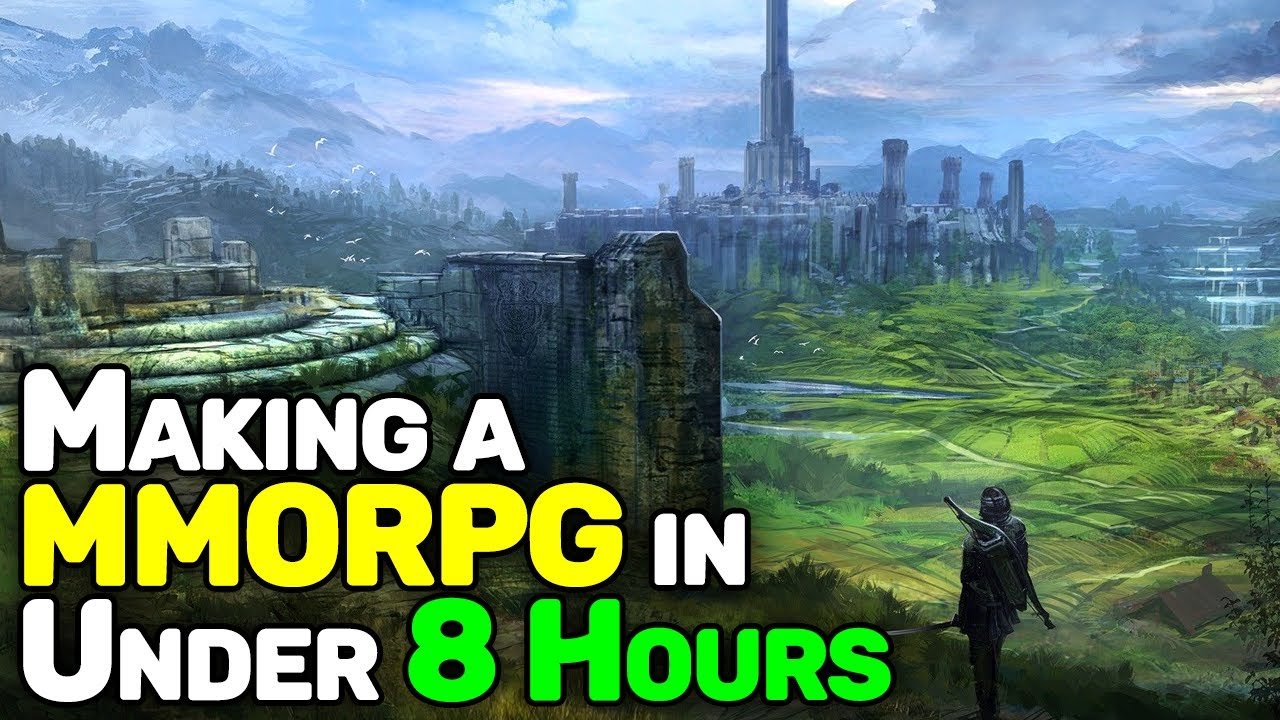
Creating an mmorpg game requires a team, planning, coding, art assets, server infrastructure, and ongoing maintenance.
Ever dreamed of crafting your own sprawling online world? The sheer scale of an MMORPG might seem daunting but understanding how to create mmorpg game is achievable. It involves a complex process, needing a dedicated team and much time.
You’ll need to plan out the core game mechanics first. Then build the technical framework. Art and sound come in too. These components together contribute to the gameplay experience.

How to Create an MMORPG Game
Creating an MMORPG (Massively Multiplayer Online Role-Playing Game) is a huge project, kind of like building a whole new world! It’s not something you can do overnight, but it’s super exciting. This guide will help you understand all the steps involved, so you can start your game development journey. Think of it as a really big puzzle with lots of interesting pieces!
Laying the Foundation: Core Game Design
Before you start coding and drawing, you need a really clear picture of what your game will be like. This is where game design comes in. It’s all about deciding what kind of world you want to create and what players will do inside it.
Defining Your Game World
First, you need a world! Will it be a fantasy realm with dragons and magic, a futuristic space adventure, or something completely different? Think about:
- Setting: What kind of places will your players explore? Forests, deserts, cities?
- Lore: What’s the story behind your world? Are there ancient legends or recent conflicts? This adds depth and makes your game more interesting.
- Races and Classes: What types of characters can players create? Will there be brave warriors, sneaky rogues, wise mages, or perhaps something more unique?
Gameplay Mechanics
Next, you need to figure out how players will interact with the world. This includes:
- Combat System: Will battles be fast-paced action or turn-based strategy? Will players use swords, guns, spells, or a combination?
- Progression System: How do players get stronger? Will they level up, get new skills, or find better equipment?
- Crafting and Economy: Can players create items? Is there a way to trade with each other? These things add to the sense of a living world.
- Social Interaction: How can players communicate and play together? Guilds, parties, and public chat are important aspects.
Target Audience
Who are you making this game for? Knowing your audience (kids, adults, hardcore gamers) will help you decide on the difficulty, art style, and type of content in your game. For example, a game for young kids should be simple to learn and easy to play.
Choosing the Right Tools: Game Engines and Software
Developing an MMORPG requires powerful tools. These are like the building blocks of your game. Here are some common ones:
Game Engines
A game engine is a software framework that gives you all the basic features you need to build a game. Imagine it like a pre-made kit for building. Here are a few popular options:
- Unity: A very popular engine, great for both 2D and 3D games. It has tons of tutorials and a big community to help you. It is considered user-friendly, specially for the beginners.
- Unreal Engine: Known for its high-quality graphics and powerful tools. It can be a little more difficult to learn, but it’s great for bigger and more visually impressive games.
- Godot: A free and open-source engine that’s getting more popular. It is easy to use and very flexible and useful for both 2D and 3D.
Choosing the right engine depends on your experience, the kind of game you want to make, and your budget. Some engines are free, while others require a payment.
Programming Languages
The game engine alone won’t do everything. You need to know how to code, which means using a programming language. Here are a few you’ll see used in game development:
- C#: Often used with Unity. It is a very popular language for game development and considered to be easy to learn.
- C++: Used with Unreal Engine and known for its speed and performance. This one is more complex than C#, so better for advance users.
- GDScript: The built-in language for Godot, specifically designed for game development.
Start with learning a basic programming language. There are many online resources and courses available to teach you.
Other Essential Software
Besides a game engine and programming language, you might also need software for:
- Art: Drawing sprites, 3D models, and creating textures (e.g., Adobe Photoshop, GIMP, Blender).
- Sound: Making sound effects and music (e.g., Audacity, FL Studio).
- Version Control: Tracking changes to your code and files (e.g., Git, GitHub). This is useful when working with a team.
Developing the Game: Step-by-Step Process
Now for the fun part: actually building the game! This is a long process and is broken into several parts:
Prototyping
Before you build the whole game, you need to create a simple version (a prototype) with just the basic gameplay. This helps you test if the core mechanics are fun and working correctly. It’s like a draft of a book. You might try out the combat system, player movement, or inventory system. This way, if something isn’t working, it’s much easier to fix before you build everything else around it.
Building the World
Once you have a solid prototype, you can start building the full game world. This includes:
- Creating maps and environments: designing the terrain, placing trees, buildings, and other objects
- Populating the world with non-player characters (NPCs): adding characters that players can interact with (quest givers, merchants etc.).
- Adding quests and challenges: giving players something to do and help advance in the game.
Implementing Core Features
This is where you bring your game design to life! Here are some core features you’ll need to implement:
- Character Creation: Let players customize how their character looks and what their background is.
- Movement and Navigation: Let player run, jump, and move through the game world.
- Combat Mechanics: Implmenting the way players will battle enemies (attacking, blocking, dodging).
- Items and Inventory: Allowing player to pick up items, potions, weapons, and equipment.
- Progression System: implementing the level ups, skills, and abilities.
- User Interface: Create menus, maps, and all the things players interact with.
Multiplayer Functionality
This is a key part of an MMORPG. Players need to be able to connect to a server and interact with each other in real time. This involves:
- Server-side programming: writing code to manage player connections, game data, and all the interactions.
- Network programming: ensuring smooth communication between the client (player’s computer) and the server.
- Database Management: storing player data, world information, and item details.
This is often the most technically challenging part of making an MMORPG. There are lots of things to consider, like how to keep data secure and how to handle lots of players at once.
Testing and Refinement: Making it Awesome
Once you have a working game, you need to test it thoroughly. This is a crucial part of the development process. It’s all about making the game as fun, smooth and error-free as possible.
Alpha Testing
This is the first round of testing where you usually have a small group of people, like close friends or colleagues, play the game and give feedback. You’re looking for major problems like crashes, bugs, and game mechanics that aren’t fun. This feedback is very helpful, and it allows you to fix big problems early in development.
Beta Testing
Next comes beta testing, where you allow more people (often a larger group of players who want to be involved) to play your game. The goal here is to identify smaller bugs, balance gameplay, and get feedback on all the game systems. This is where you start to refine the game based on what many people are telling you.
Iterative Improvements
Testing isn’t a one-time thing; you’ll need to continue working on it, fixing bugs and balancing the game based on the test results. You may need to make multiple rounds of testing and changes. This is an ongoing process to refine the game until it’s ready for launch.
Community Feedback
Throughout the testing phase, you should be actively listening to community feedback. Encourage players to report bugs, express opinions, and make suggestions. A strong community can make a huge difference in a game’s success.
Launching Your Game and Ongoing Support
After the long journey of creating your MMORPG, it is time for the official launch! But the work doesn’t stop there. You need to plan for release and provide ongoing support.
Marketing and Promotion
Get the word out about your game! You can use social media, online forums, and create a trailer. Think of fun ways to share what your game is about.
Game Launch
Make sure your game servers are ready for the big rush. You should have all your technical systems in place to handle lots of players joining and playing at the same time. Launching the game successfully is very important.
Community Management
Keep interacting with your players. Listen to them, answer their questions, and handle any problems that may come up. Be active in the game’s community. It will help to keep people engaged and interested in your game. Regular updates, events, and contests will help to keep your player base happy.
Ongoing Updates and Patches
Games are never truly finished. You should plan to add new content, fix bugs, and make balance changes on a regular basis. Listen to what your players want, and give them the things they would enjoy the most.
Building an MMORPG is a big challenge. It requires many skills, lots of patience, and a dedicated team. By breaking it down into these steps and always being ready to learn, you can make something that lots of players can enjoy. Don’t be afraid to start small, make mistakes, and learn from them.
Making a Playable MMORPG in 8 Hours
Final Thoughts
Creating a successful MMORPG involves careful planning, starting with defining your game’s unique features. You must design compelling gameplay mechanics, engaging storylines, and attractive characters. Technical aspects like server infrastructure and database management are essential.
Developing for multiple players simultaneously requires careful coding and testing. ‘how to create mmorpg game’ involves complex systems. Team collaboration across various roles—art, sound, programming—is also important.
Ultimately, the process demands dedication, resource management, and iterative improvements based on player feedback to create an engaging and enjoyable game.

