
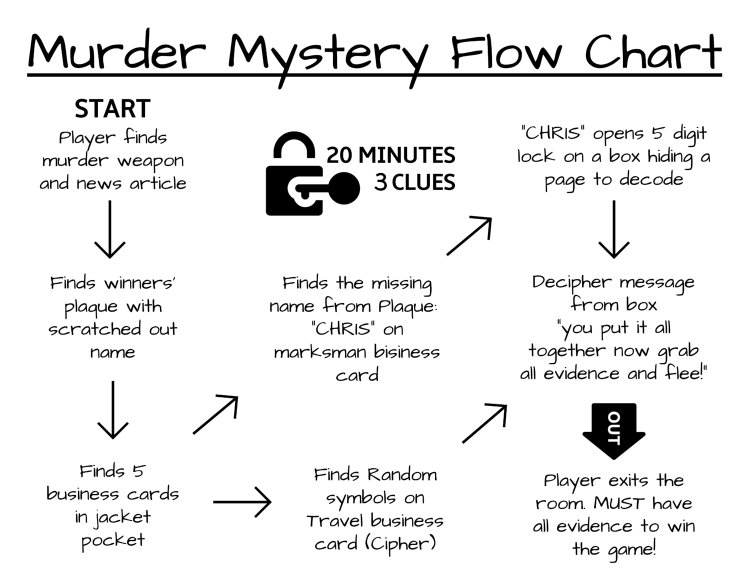
Creating your own murder mystery game involves crafting a compelling narrative, designing intriguing characters, establishing clues, and deciding on a satisfying solution to the crime.
Ever dreamt of hosting a thrilling night of intrigue? Many people enjoy the excitement of playing a murder mystery game. But, what if you could write one? The process of learning how to create your own murder mystery game can be a fun project for creative individuals.
It allows you to tailor the story to your specific tastes. And you can create a personalized experience for your friends or family.

How to Create Your Own Murder Mystery Game
Ever wanted to be the mastermind behind a thrilling night of intrigue and suspense? Creating your own murder mystery game is easier than you might think! It’s a fantastic way to gather friends and family for an unforgettable evening filled with laughter, accusations, and maybe even a little bit of dramatic flair. Think of it like writing your own play, but with everyone as a character. We will guide you step-by-step through the process of developing a gripping murder mystery game right in your living room.
Planning Your Perfect Murder
Before diving into the nitty-gritty of writing clues and character bios, it’s important to lay the groundwork for your game. This stage is all about brainstorming and deciding what kind of mystery you want to create.
Choosing a Theme
Your theme is the heart of your murder mystery. It sets the tone and helps you define your characters and the overall plot. Think about what kind of setting you and your guests would enjoy. Do you picture yourselves in a glamorous 1920s speakeasy, a spooky haunted mansion, or perhaps a quirky Wild West saloon? The possibilities are endless! Consider these popular themes for inspiration:
- The Roaring Twenties: Think flapper dresses, jazz music, and secret gin joints.
- A Victorian Era Manor: Expect extravagant gowns, mysterious heirs, and hidden passages.
- A Wild West Town: Imagine cowboys, outlaws, and dusty saloons.
- A Sci-Fi Space Station: Consider futuristic gadgets, alien encounters, and a zero-gravity setting.
- A Tropical Island Resort: Picture sun, sand, secrets, and suspicious guests.
- A High School Reunion: Relive the awkwardness, rivalries, and old grudges.
- A Hollywood Premiere: Think dazzling stars, paparazzi, and backstabbing producers.
Once you’ve picked a theme, keep it in mind as you make all your other decisions. It should influence everything from your character names to the evidence you plant.
Defining the Victim and the Killer
Every good murder mystery needs a victim and, of course, a killer! Start by creating a profile for your victim. Think about their personality, their relationships with the other characters, and any secrets they might have been keeping. This will give players motives to explore. The victim doesn’t need to be particularly likable, in fact a character with a few enemies can create a more compelling mystery.
Next, decide on your killer. What is their motive? Perhaps they were jealous, greedy, or seeking revenge? Don’t make the killer too obvious; a great reveal should be unexpected, yet make sense within the story you’ve crafted. Remember, everyone should have a reason to be suspected, even if they are innocent. The killer’s role also needs to be planned, providing opportunities for them to blend in while subtly planting red herrings.
Number of Players
The number of guests you invite will affect the complexity of your game. A smaller group allows for more in-depth character interactions, while a larger group can create a more chaotic and dynamic experience. There is no magic number of players, but for your first game, aim for a group of 6 to 12 people. With a larger number of guests, you might want to consider adding an “Investigator” role. This extra character can ask questions and lead the group towards solving the mystery, especially useful when some participants may be a little shy at taking the lead in the game.
Crafting Compelling Characters
The characters are the lifeblood of your murder mystery game. Each character needs to be unique, memorable, and have a distinct motive. Players should feel like they are stepping into a new identity for the evening. Give each character a detailed backstory, personality traits, and hidden agendas. Make sure they have secrets to keep and reasons to suspect others, even if they are not guilty of the main crime.
Creating Character Backstories
A detailed backstory helps players connect with their characters and provides clues for the game. Include information like:
- Name and Age: Choose names that fit your theme.
- Occupation: What do they do for a living? This can tie into their motives and actions.
- Relationships: How do they know the other characters? Are they friends, enemies, family, or rivals?
- Motives: What secrets are they hiding? What do they stand to gain from the victim’s death?
- Personality: Are they charming, secretive, nervous, or bold?
- Quirks: A fun little quirk, like always carrying a specific object, can add depth and memorability.
For example, in a 1920s speakeasy theme, you might have a character named “Ruby ‘The Rouge’ Redford,” a glamorous showgirl hiding a secret past. Her backstory could include details about a lost love, debts, or a desire for fame at any cost.
Developing Player Information
Each player should receive a character sheet or booklet before the game starts. This provides them with their character’s backstory, objectives, and any secrets they need to keep. The sheet should include:
- A detailed character description.
- Specific actions they should take during the game, such as interacting with certain characters or searching for specific clues.
- Secret information that only they know.
- Objectives for the game, what do they need to find or do to win.
- Costumes idea to help players get into character.
Make sure to give each player information that is relevant to the plot and allows them to engage with the other players. The most important thing to remember is that everyone should have something to do and feel like they can affect the outcome of the mystery.
Writing the Mystery
Now that you have your characters fleshed out, it’s time to weave together a compelling mystery. This involves creating a plot, writing clues, and designing the game’s structure.
Crafting the Plot
Your plot is the story of your murder mystery. It should have a clear beginning, middle, and end. The basic framework should go as below:
- The murder must take place in your plot.
- There should be a series of suspicious events and revelations leading to the resolution.
- The killer is revealed and their motive is explained.
Don’t worry about making it too complicated; a good mystery can be relatively straightforward, but have twists and turns to keep the players guessing. For example, consider building a plot where seemingly separate events are all related to the motive of the killer. For example, a fight between two characters earlier in the night might be related to the victim’s secret that is discovered later. Here is an example of plot design for your game:
Example Plot: The wealthy and eccentric Mr. Sterling is found dead in his study. A valuable artifact is missing from his collection. There are multiple suspects, such as his bitter business partner, his estranged son, a jealous rival, and his young new wife, all with their own motives and secrets.
Creating Clues and Evidence
Clues are vital to a good murder mystery game. They should be integrated into the game in various forms, such as:
- Written Notes: Letters, diary entries, and secret messages can reveal important information about the victim and the suspects.
- Physical Objects: A torn photograph, a broken piece of jewelry, or a mysterious weapon can all act as clues.
- Witness Statements: Characters can overhear conversations and share information, either truthfully or deceptively.
- Hidden Areas: Designate certain areas as “off-limits” unless players find a way to search them, such as keys or passwords.
- Audio or Video Clips: If you’re feeling creative, create short audio or video clips that contain clues or suspicious interactions.
Make sure the clues are not too easy to find, but also not so obscure that players get frustrated. You need to write clues that are easy to understand, they should be directly related to the plot and character actions, and they should be interesting and keep players engaged in solving the case. Use the clues to add layers to the plot so players feel a sense of accomplishment as they uncover secrets and bring the killer to light. For example, you can write a note that seems like a love letter but it secretly contains a clue about the weapon that was used in the murder.
Structuring the Game
Think about how your game will progress. Here are some basic ideas:
- The Setup: Introduce your theme, characters, and the circumstances of the murder. Each player should have read their character sheet at this stage.
- The Investigation: Allow the players to interact, ask questions, and search for clues. Players should have opportunity to do this stage in smaller groups.
- The Accusation: Have a moment where players publicly accuse and explain their suspicions. This stage can be very fun.
- The Reveal: Declare who the killer is and explain their motives. It’s usually best if this is done at the end when all of the players are in the same room together so everyone can hear the ending to the mystery.
Consider adding smaller objectives to keep players engaged between each stage of the game. For example, players might need to find a specific item before moving to the next phase of the mystery. The structure of the game is just as important as the plot or the characters because it keeps the game moving forward and gives a sense of progression.
Adding the Finishing Touches
The small details can make a big difference in creating an engaging experience. Think about how you can enhance your game with props, decorations, and even food and drinks. These touches help players immerse themselves in your game’s world.
Props and Decorations
Use props and decorations to create the right atmosphere for your murder mystery. Consider the theme you chose and then use these ideas:
- 1920s Speakeasy: Feather boas, strings of pearls, and old-fashioned cocktail glasses.
- Victorian Manor: Candles, antique books, and ornate picture frames.
- Wild West Town: Cowboy hats, bandanas, and sheriff badges.
- Sci-Fi Space Station: Foil decorations, blinking lights, and futuristic gadgets.
- Tropical Island Resort: Beach towels, inflatable palm trees, and leis.
- High School Reunion: School yearbooks, old photos, and maybe a trophy or two.
- Hollywood Premiere: Red carpet, paparazzi cutouts, and gold statuettes.
These small decorations help to make the party feel even more special and can also help to give players ideas for their own costumes. You can find many of these items in thrift stores or even make your own.
Costumes and Character Preparation
Encourage players to dress up as their characters. Costumes help players feel more immersed in their roles. Provide guidelines on your invitation or character sheets, suggesting costume elements that fit the theme. You can ask your players to bring something from their own closet or provide costume accessories when they arrive. Remind players that the character is also a role they should try to act during the game to make it a more dynamic and fun experience. Players can even take inspiration from their character and include any details from their character sheet, such as carrying a certain object or a unique accessory.
Food and Drinks
Match your food and drinks to your theme. Here are some ideas to consider:
- 1920s Speakeasy: Serve finger foods, like deviled eggs and mini sandwiches, and classic cocktails, such as a sidecar or a French 75.
- Victorian Manor: Offer afternoon tea with scones, finger sandwiches, and Victorian sweets.
- Wild West Town: Have a chili cook-off or serve barbeque with cornbread.
- Sci-Fi Space Station: Serve futuristic-looking snacks and drinks, like brightly colored jello or cosmic cocktails.
- Tropical Island Resort: Provide tropical fruits, smoothies, and maybe even a little rum punch.
- High School Reunion: Serve nostalgic treats like pizza, cupcakes, and soda pop.
- Hollywood Premiere: Offer elegant appetizers and champagne.
You don’t need to spend a lot of money to create an enjoyable game night. Keep the snacks simple and related to the theme. Players will be so focused on the game and characters that they won’t mind the simple options as long as the food and drinks add to the theme.
Running the Game
The day has arrived! You’ve planned everything, but it’s still important to stay involved during the game to make sure it goes smoothly. Your job is to be the host who keeps everything on track, encourages interaction, and gently moves the story along.
Game Day Preparations
Before the party, make sure you have everything organized. This includes:
- Character Sheets: Prepare character packets for each player.
- Clues: Set up all the clues and evidence in their designated places.
- Props and Decorations: Have all of your decorations in place and your props ready.
- Food and Drinks: Get the menu and drinks ready.
- Timeline: Have a general idea how the game will flow and an estimated timeline.
- Music Choose an ambient playlist to set the mood and keep things moving.
Being the Host
As the host, you will also be part-time game moderator. Keep an eye on the players to ensure they understand the objectives and aren’t stuck. You will need to be ready to give subtle hints if they seem lost or confused, but avoid giving away important clues to the mystery. Help the players create interactions by making sure they speak to everyone and no one is left out of the game. You also need to make sure to keep the game moving forward to the final reveal so no one gets bored. Be prepared to improvise and have fun with your game!
The Big Reveal
The final reveal is the culmination of the game where the killer’s identity is revealed and the murder is explained. This should be as dramatic as possible. Use what the players have already discovered and then reveal any key details to wrap up the plot. Now it’s time to sit back and watch the players react to the shocking twist you’ve been holding back.
Creating your own murder mystery game is a fun and rewarding experience. It’s a great opportunity to gather friends and family, and allows you and your guests to be creative, imaginative, and theatrical. The process, from planning the theme to setting up the clues, can be just as entertaining as the game itself.
How To Create A Murder Mystery Party In 10 Steps
Final Thoughts
Start with a compelling storyline, then craft compelling characters with hidden motives. Next, develop challenging clues and puzzles for players to solve. Remember to tailor the game to your audience.
A detailed script and player guides help manage the game flow. Finally, set the scene with decorations and encourage costumes. That is how to create your own murder mystery game. You must make the game engaging for all.

