
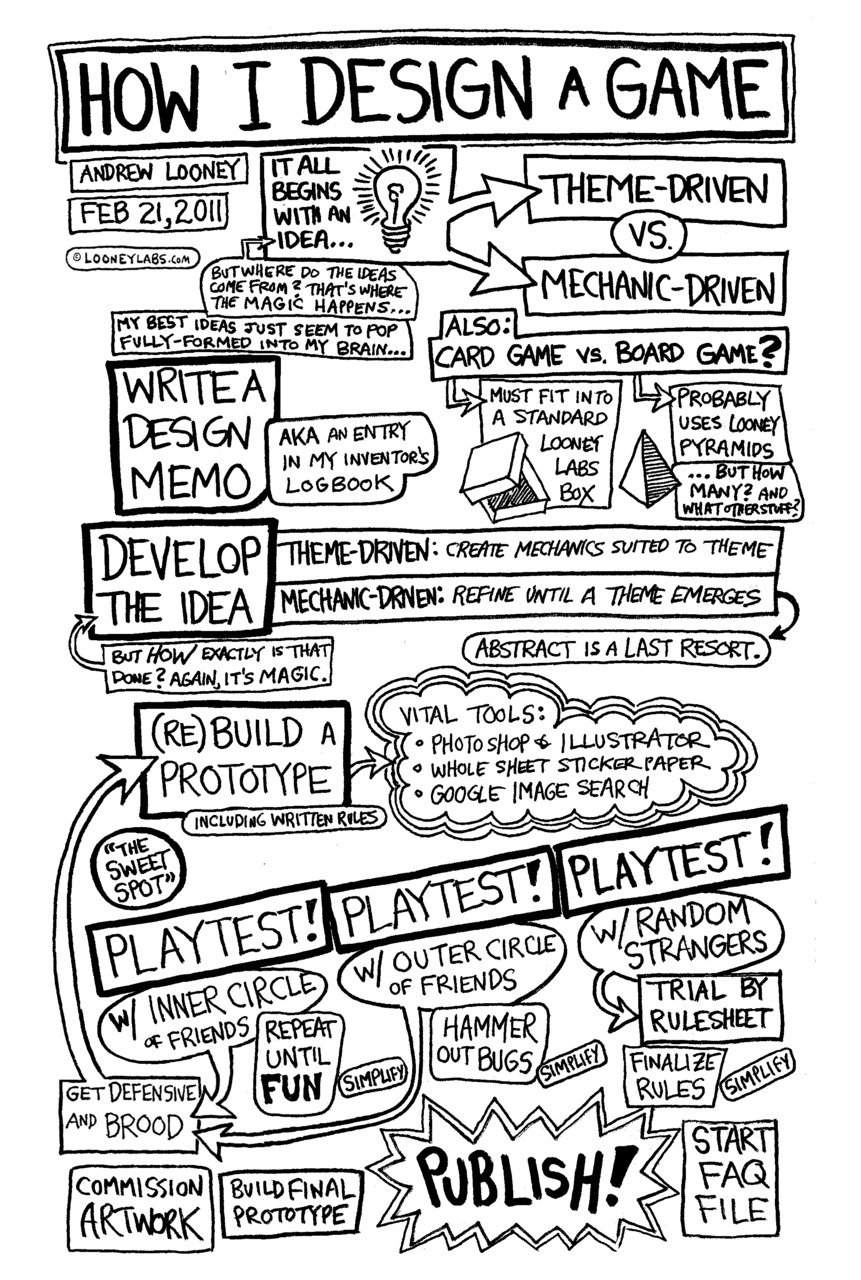
Designing a game involves defining its core mechanics, creating engaging rules, developing an interesting world, and iterating through playtesting.
Have you ever wondered about the process of crafting your own interactive world? It can be fascinating to consider how the games we love come to exist. Many people are curious about how to design a game, and it’s not as daunting as it might seem. We will be exploring the basic steps.
From forming the core idea to testing it, we will be covering the essential parts. Understanding these aspects allows anyone to start developing a simple game of their own. Let’s explore the creative journey of game development together.

How to Design a Game: A Step-by-Step Guide
So, you want to make a game? That’s awesome! Designing a game can be super fun, and it’s like building a whole new world for people to play in. But where do you even start? Don’t worry, it’s not as hard as it might seem. This guide will break down the process into easy-to-understand steps. Let’s jump in and explore all about how to design a game!
Finding Your Game Idea
Every great game starts with an idea. This is like the seed you’ll plant to grow your game. But sometimes, ideas can be tricky to find. Here are a few ways to get those creative juices flowing:
Brainstorming Basics
Grab a pen and paper, or use a whiteboard. Think about different things you like. Do you enjoy adventures? Puzzles? Building things? Write down everything that comes to mind, no matter how silly it might seem. This is like a treasure hunt for game ideas!
- What kind of games do you love? Make a list of games you enjoy playing. What makes them fun?
- What are your favorite things in real life? Do you love animals, space, or maybe even cooking? Think about how you can turn those into a game!
- Imagine different scenarios. What if you were a superhero? What if you had a magical power? What if you were exploring an ancient temple?
- Don’t be afraid to mix ideas. Combine two different things you like and see what happens. Maybe a space-themed puzzle game?
Inspiration is Everywhere
Ideas can come from anywhere! Pay attention to the world around you. A walk in the park might inspire a nature adventure game, while a history book could spark the idea for a strategy game about ancient civilizations. Look at board games, video games, even books and movies for inspiration.
What Makes a Good Game Idea?
A good game idea is something you’re excited about. It should also have the potential to be fun for others. Ask yourself these questions:
- Is it interesting? Would other people want to play this game?
- Is it unique? Does it offer something different from other games?
- Is it doable? Is it realistic to make this game with the resources you have?
Defining Your Game’s Core Mechanics
The core mechanics are the heart of your game. They are the basic actions players will perform. Think of it as the rules of how things work within your game world. A game with good core mechanics will be engaging and fun to play again and again. Here are few ideas:
Action & Movement
How will players interact with your game world? Will they jump, run, fly or climb? How will they move around?
- Jumping: Maybe there are platforms to jump on and over.
- Running: You might create a running game where players have to escape from something or reach a goal.
- Climbing: In a climbing game, players might need to navigate through difficult terrain using their hands and feet.
- Flying: How about a game where players can fly through the sky and collect items?
- Walking/Moving: This can be as simple as moving to a different part of the game board or screen.
Collecting & Resource Management
Collecting items, earning points, managing resources – these are all important game mechanics. Will players have to gather items to build something? Will they have to manage resources?
- Gathering items: This could involve collecting coins, stars, or ingredients.
- Building: Players could gather resources to build homes, tools, or weapons.
- Trading: Maybe players need to trade resources with each other in a multiplayer game.
Solving Puzzles & Challenges
What kind of challenges will players face? Puzzles, riddles, or timed events? Think about how you can challenge them to think creatively or work quickly.
- Logic Puzzles: Like mazes or Sudoku.
- Word Puzzles: Like crossword puzzles or anagrams.
- Timed challenges: The player has to do something within a certain time limit.
- Riddles: Players have to solve riddles to progress in the game.
Combat & Strategy
If your game includes any kind of combat, what will it look like? Will it be turn-based or real-time action? How will players use their strategy?
- Turn-based: Each player takes a turn in a strategic game.
- Real-time: Players act and react instantly in a game.
- Special Abilities: Giving players unique abilities to use in battle or challenges.
Designing the Game World
Your game world is where all the action happens! It could be a magical forest, a futuristic city, or even outer space. What will it look like? How will it feel?
Creating the Environment
The environment is the place where the game happens. Think about colors, shapes, and textures. How will these details contribute to the feel of your game?
- Colors: Will your game use bright, cheerful colors, or dark and spooky ones?
- Shapes: Will the game world have round, organic shapes, or sharp, geometric ones?
- Textures: Rough, smooth, bumpy – textures can create a different feeling in the game.
Developing Characters & Creatures
Every good game needs characters! These could be players, enemies, or friendly helpers. Give them personalities and unique designs.
- Player Characters: These are characters that players control.
- Non-Player Characters (NPCs): These characters are controlled by the game. They might give you information, challenges, or be your enemies.
- Creatures: These can be animals, monsters, or other magical beings.
Level Design
How will players move through the game world? Will it be a series of different levels, or one big open world? Plan out the game progression.
- Level progression: How the levels get progressively harder.
- Paths and challenges: How players move from one level to the next and the challenges that they will face.
- Rewards and Incentives: What players get for finishing levels.
Making a Prototype
A prototype is like a rough draft of your game. It doesn’t have to be perfect; it just needs to let you test out your ideas. This process will help you see what works and what needs to be changed. You can make a prototype even without a computer. Let’s see how.
Paper Prototypes
Use paper, cardboard, and anything else you have around. Draw your game world, make game pieces, and create cards. This is a simple way to play through your game’s ideas without any fancy tech.
- Draw the Game World: Use a large piece of paper to create a basic map of your game area.
- Create Game Pieces: Use paper or cardboard to create markers, characters, and other game elements.
- Write Game Rules: Clearly write out the basic rules of your game.
Digital Prototypes
If you’re familiar with computers, you can create a simple digital prototype. Use easy game engines or software to set up basic gameplay and test things out.
- Game Engines: Tools like Scratch or Unity can help you create simple digital games.
- Basic Functionality: Focus on the main gameplay loop and core mechanics.
- Simple Graphics: Use basic shapes or drawings instead of high-quality art.
Playtesting
Once you have a prototype, it’s time to play it! Have your friends and family play your game and give you feedback. Pay attention to what they enjoy and where they get confused or frustrated. This feedback helps you fix the areas that are not yet ready.
- Observe Players: Watch carefully as people play your game.
- Collect Feedback: Ask questions like “What did you like?” and “What was confusing?”
- Keep a Journal: Write down all the feedback so you can review it later.
Refining Your Game
After the prototype, now its time to improve it. Use all of the feedback you got from playtesting to make the game better. It’s important to keep working on your game to make it as fun as possible.
Iterate and Improve
Based on the feedback you received, go back and make changes to your game. Maybe you need to simplify the rules, change the levels, or adjust the difficulty. Don’t be afraid to change things up.
- Adjust Rules: Simplify or clarify rules that were confusing.
- Change Levels: Redesign levels that were too difficult or too easy.
- Adjust Difficulty: Make the game more challenging or more accessible based on the feedback.
Balancing the Game
Game balancing means making sure the game is fair and fun for everyone. No one should have an unfair advantage. Adjust the game’s difficulty to challenge your players but never frustrate them.
- Fairness: Ensure that players have equal opportunities to succeed.
- Challenge: Make the game challenging enough to be interesting, but not too difficult to frustrate players.
- Progression: Ensure that the game gets more difficult gradually.
Adding Polish
Polish is all about making your game feel complete and professional. Add nice artwork, animations, and sound effects. These finishing touches can make a big difference in how much players enjoy the game.
- Artwork: Add better graphics, illustrations, and character designs.
- Sound Effects: Include sound effects to provide feedback when players perform certain actions.
- Music: Choose music that goes with the game environment or themes.
Finalizing Your Game
The final stage is the game’s release. This includes testing to make sure everything works as intended.
Testing
Make sure you test your game throughly on different devices, platforms and with different players. This helps to find bugs or any other issues before you share your game with the world.
- Bug Testing: Identify and fix any errors or issues with the game.
- Usability Testing: Ensure the game is easy to understand and play.
- Compatibility Testing: Make sure the game works well on all the different platforms and devices.
Releasing Your Game
Finally, it’s time to share your game with the world! You can do this through digital stores or even by sharing it with friends and family. Be proud of all your hard work and creative skills!
- Distribution Platform: Choose the platform for your game’s release, like a mobile app store or a website.
- Marketing: Promote your game to reach potential players.
- Feedback and Support: Be ready to get player feedback and provide customer support.
And there you have it! Designing a game is a journey filled with creativity, problem-solving, and lots of fun. Remember that it is an iterative process, so don’t be discouraged if things don’t go perfectly the first time. Keep learning, keep creating, and most importantly, keep having fun!
How to make YOUR dream game with no experience
Final Thoughts
Start by identifying your game’s core idea and target audience. Define clear goals, mechanics, and rules. Prototype quickly and playtest often. Iterate based on feedback you collect.
Remember, solid planning ensures successful game development. Focusing on user experience is must. This method explains how to design a game effectively.

