
To do a locker combination game, write down a combination, then have participants try different numbers. Reveal clues or hints as they guess, or set time limits, to add challenge to the process.
Have you ever wondered how to do a locker combination game? It’s a simple yet engaging activity, great for parties or as a team-building exercise. You can make it as easy or challenging as you like, which makes it so versatile.
The premise is straightforward; a secret combination is set, and players work to figure it out. It’s fun to watch people work through the process. Think of the possibilities with different kinds of hints you can create.

How to Do a Locker Combination Game
Okay, let’s talk about locker combination games! These aren’t the kind where you’re actually trying to open a real locker. Instead, they’re fun activities that use the idea of a combination lock to create puzzles, challenges, and even little mysteries. They’re perfect for parties, classrooms, or even just a rainy day at home. They help you use your brain, follow directions, and work as a team. Ready to learn all about them? Let’s dive in!
Understanding the Basics of a Combination Lock
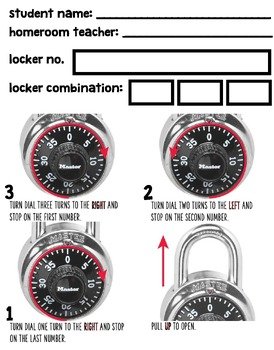
Before we get into making games, it’s important to understand how a real combination lock works. You know, the kind you might see on a school locker or a gym bag? These locks usually have a dial with numbers on them, and you need to turn the dial in a specific way to open them. Here’s the general idea:
- The Numbers: Most combination locks have numbers from 0 to 39. Some might have fewer, and very few might have more, but 0-39 is common.
- The Combination: A combination is a secret sequence of numbers, like “12-30-5.”
- The Steps: To open the lock, you have to turn the dial a specific number of times in specific directions. Usually, this is right, then left, then right. Each turn stops at the combination number.
Now, we’re not going to use real locks for our games most of the time. Instead, we will use this idea as a base to create fun puzzles that use this kind of step-by-step thinking. We can create a game that has steps and needs to go in a certain direction just like a real lock.
Types of Locker Combination Games
There are tons of ways to make locker combination games. Here are some common ideas and how they work:
The Number Sequence Puzzle
This game uses a series of numbers, just like a real combination lock. But instead of turning a dial, players might follow a path, solve a math problem, or read a riddle to get to the next number in the sequence. The final sequence of numbers is then used to “open” something like a box or a folder containing the prize. It encourages mathematical thinking, problem-solving, and following instructions in a given order. The numbers can be easy to find or hidden. This is great if you want to practice math in a fun way. We can have kids solve math problems to reveal each number in the combination.
Example:
- Start with the number 8 (it’s written on a piece of paper).
- Go to the clue that says, “Add 7 to the starting number, and you’ll find your next number.” So, 8 + 7 = 15
- The next clue says, “Subtract 2 from the current number.” So, 15 – 2 = 13
- The last clue tells you to “multiply by 2.” So, 13 2 = 26
- The final combination is: 8-15-13-26
This type of puzzle can be made for different age groups and can use all kinds of math and logical thinking. Just make sure to adjust the difficulty as needed.
The Word Combination Game
Instead of using numbers, this game uses letters or words. Players have to find clues to spell out a word or a phrase which then ‘opens’ a box, unlocks a secret, or reveals the next stage of the game. It is perfect for vocabulary practice or a test of word-related skills. Word combination games can be a creative way to make the challenge a fun and learning experience at the same time.
Example:
- The first clue might be a riddle. The answer will be the first word. For example, “I have a bark, but I’m not a dog. What am I?” The answer would be “tree,” so the first word is “tree.”
- The next clue is hidden inside of a book with an image that is “apple,” so that gives us our second word.
- The third clue could be on a small card with a picture that looks like the sun, which would give us “sun.”
- If we use those words, we get “tree apple sun.”
You can use different types of clues and also put it into a story format to make it even more creative. You can even create a whole story and make the game as an interesting story that the kids would like to follow.
The Directional Sequence Game
This game focuses on moving in different directions. Think of it like a combination lock, but instead of numbers, you use instructions like “go left,” “go right,” “go up,” “go down,” or other steps. This type of game could involve a map, arrows on the floor, or even a set of cards to follow. It will help you understand direction, spatial skills, and following step-by-step instructions. This is great for building understanding of direction and simple problem-solving.
Example:
- The first card says, “Take three steps forward.”
- The next card says, “Turn left.”
- The next card says, “Take two steps right”.
- The last card says “Turn around”.
These instructions can lead you to a special place where the next clue or prize is hidden. This kind of game also can also be combined with other puzzles and make it more challenging and fun at the same time.
The Picture Combination Game
This type of game uses pictures or symbols in a certain order. To unlock the final “combination,” the player has to understand how the pictures relate and put them in the right sequence. This activity encourages pattern recognition, visual analysis, and critical thinking skills. It’s also great for younger children or those who learn better with visual aids. Picture clues are very adaptable and can be used in many creative games.
Example:
- The first picture is a picture of a cat.
- The second picture is a picture of a tree.
- The third picture is a picture of a ball.
- The order is: Cat, Tree, Ball.
When all of these pictures are in the correct order, the game is finished. You can also use small puzzles where the different pieces show different symbols or things. Then putting them together in the right order is the combination of your puzzle.
Creating Your Own Locker Combination Game
Now that you have some ideas, let’s talk about how to create your own locker combination game. It’s much easier than you think!
Planning the Game
Before you start making the game pieces, think about these things:
- Age Group: Who are you making the game for? Younger kids need easier clues and simpler instructions. Older kids can handle more complex puzzles.
- The Theme: Do you want a treasure hunt theme? Or a mystery? A fun theme makes the game more interesting.
- The Goal: What does the player “unlock” at the end? Is it a prize? A message? Knowing the goal helps design the puzzles.
- Number of Steps: How many “turns” do you want in your combination? Two or three steps might be good for beginners, while four or five might be a good challenge for older kids.
Preparing the Materials
You can use simple materials that you already have:
- Paper or Cards: For writing clues, numbers, or drawing pictures.
- Pens or Markers: For writing and drawing.
- Small Boxes or Envelopes: To hide clues or prizes.
- Optional: Toys, candies, small objects as the final prize.
You can even add some decorations to make it more fun. Stickers, ribbons, colored paper, and anything that makes the game stand out. You can also use materials that have a connection with the theme. So if it’s a pirate theme, you can use a map, a small toy compass, or an eye patch.
Writing the Clues
This is where the fun begins! Here are some tips:
- Make Them Clear: The instructions should be easy to follow. Avoid using too many difficult words.
- Mix It Up: Use different types of clues, like riddles, simple math problems, or picture clues.
- Be Creative: Think about where you can hide the clues. Under a chair? Inside a book? Make it fun to find the next step.
- Test It: Before you play with others, test out the game to make sure the clues work and they are easy to understand.
Putting It All Together
Once you have the clues ready, set up the game:
- Place the First Clue: Make sure the first clue is easy to find.
- Hide the Subsequent Clues: Place the other clues in the places the first clues tell you. Be sure that the player needs to complete each step in a given order.
- Prepare the Prize: Put the prize in the final spot of your game, so that when they follow all the steps, they will get their final prize.
Tips for a Great Locker Combination Game
- Keep it Age-Appropriate: Make sure the difficulty is right for the age of the players.
- Be Clear: Ensure the instructions are easy to follow, and don’t use complicated words.
- Make it Fun: Have a good theme and add some fun decorations.
- Test it out: Be sure you play the game before letting others play, to be sure that the game works and there is no problem when others play.
- Have fun: You are making a fun game, so make sure you enjoy the process of making it and let everyone have fun.
Remember, a locker combination game is all about having fun and being creative. You can make them as simple or complex as you like. Try different types of puzzles and clues, and see what works best for your group. Be creative and make the game an enjoyable experience for everyone. There are so many great ways to make these games.
Locker combination games are not just a fun way to pass the time, but a great way to make learning a fun activity. By understanding how real combination locks work, and using the same principle, you can create exciting challenges that boost thinking, problem-solving, and teamwork.
Locker Combination Use
Final Thoughts
To play, first, create a combination. Players then guess the combination numbers one by one. Provide hints after each guess, such as “higher” or “lower.” The goal is to guess the correct sequence.
Players continue guessing and receiving hints. If they get a number right and in the correct place, they might get another hint that it’s in the right spot. The first one to guess the entire combination wins.
This is how to do a locker combination game. It’s simple, engaging, and great for practicing problem-solving skills.

