
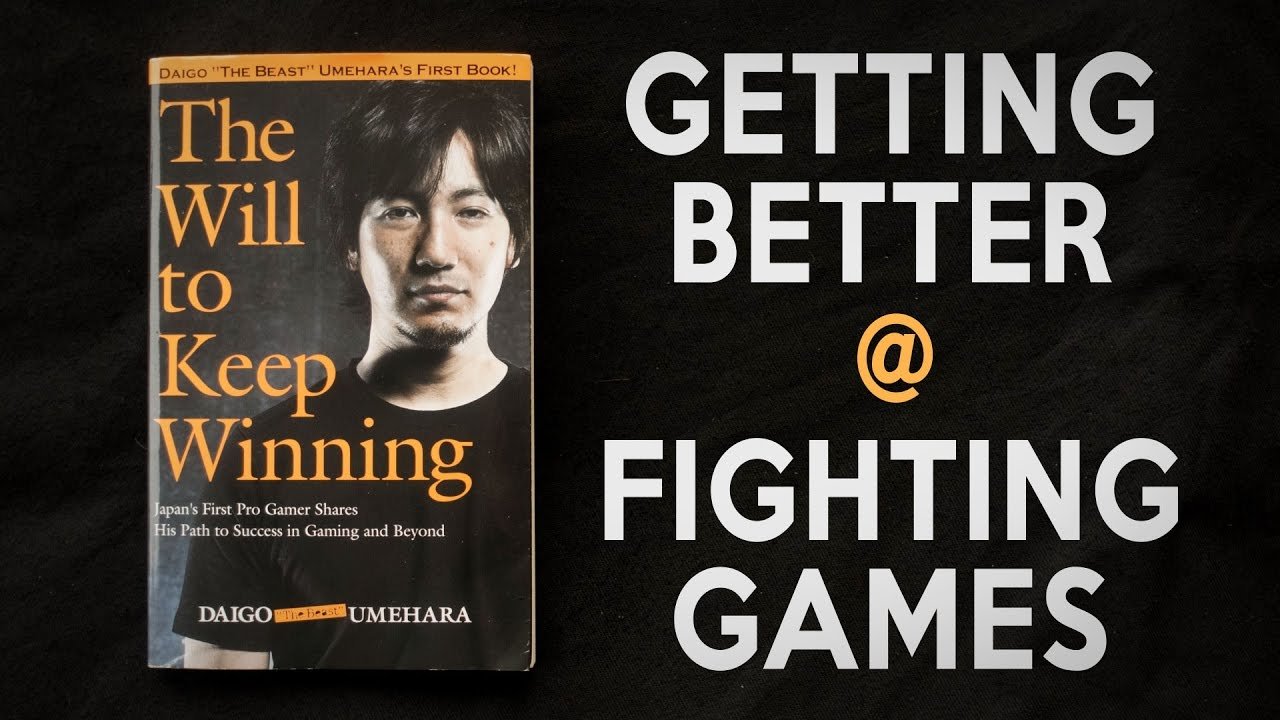
To get better at fighting games, you must practice consistently, focusing on learning character moves, understanding game mechanics, and analyzing your matches to identify areas for improvement.
Frustrated with constant defeats in your favorite fighting game? Many players face the same challenge of wanting to improve their skills, to get better at fighting games. The path forward isn’t always clear, with complex inputs and strategic gameplay to grasp.
It takes focused effort, but anyone can progress. The initial steps can be daunting, yet dedication and understanding are the main keys to improving.
Remember that growth is a continuous journey. You will get better at fighting games with consistent effort and learning from your mistakes.

How to Get Better at Fighting Games
So, you love playing fighting games, but you’re tired of getting knocked out all the time? You’re not alone! Many people find fighting games challenging, but with a little effort and the right approach, you can definitely improve. This guide will show you the path to becoming a better fighter, breaking down everything from the very basics to more advanced strategies.
Understanding the Fundamentals
Before you start pulling off fancy combos, you need to grasp the core ideas of fighting games. These fundamentals are the building blocks of any strong player. It’s like learning your ABCs before writing stories!
Knowing Your Character
Every character in a fighting game is different. They have their own unique moves, strengths, and weaknesses. Imagine trying to play basketball with a hockey stick – it wouldn’t work well, right? Similarly, you need to understand your chosen character.
- Move List: Start by reading through your character’s move list. This list tells you what buttons to press to perform different actions.
- Special Moves: These are more complicated moves that usually have unique properties. Learn how to do them consistently. Some might launch opponents, others might be good for long range attacks.
- Normal Attacks: These are your basic punches, kicks, and so on. They form the backbone of your offense. Find out which normal attacks are fast, which have good range and which are good for setting up combos.
- Character Role: Is your character a fast rushdown character, or a slow, powerful grappler? Understanding their role helps you use them effectively.
Spend some time in practice mode trying out different moves. Get a feel for how your character moves. This is where your journey truly begins. Don’t just try moves randomly, understand what purpose each move serves and when to use them.
Movement and Spacing
Fighting games are not just about mashing buttons. Movement and spacing are crucial elements. Think of it like a dance, where you need to be in the right place at the right time.
- Walking & Running: Learn how to move your character back and forth. Running can help close the distance quickly, and walking is good for precise movements.
- Jumping: Use jumps to approach, avoid attacks, or to attack from above. Just don’t jump too much, as it can make you predictable.
- Dashing: Many games have dashes, which are quick bursts of movement. These can be great for evading attacks or getting closer to your opponent.
- Spacing: Think about the distance between you and your opponent. Some characters do well up close, while others do better at a distance. Spacing properly can allow you to land your attacks more easily, and it can make your opponent miss.
Practice moving around and controlling the space on the screen. If you’re too close you might get grabbed, and if you’re too far you might not be able to hit your opponent. This is more important than most beginners believe, so don’t neglect it.
Blocking and Defense
Offense is exciting, but a strong defense is just as important. You can’t win if you keep getting hit! Think of it like a shield protecting you from attacks.
- Standing Block: Most games have a simple standing block. This will block most high and mid level attacks.
- Crouching Block: Use this to defend against low attacks. You will usually need to use this to avoid being hit with a sweep attack.
- Timing: Blocking isn’t just about holding the block button. You need to block at the right time. If you block too early or too late, it will not work.
- Punishing: After blocking an attack, you often have a brief window to strike back. Learn to recognize these opportunities. Blocking at the right time can give you the chance to counterattack.
Don’t be afraid to spend time focusing on blocking and learning to react to your opponent’s attacks. A good defense makes your opponent think twice about attacking.
Developing Your Game Plan
Once you know the fundamentals, you need a plan. It’s like building a house – you need a blueprint before you start hammering nails.
Practice Mode is Your Friend
Practice mode is not just for beginners. It’s where you can work on combos, set ups, and practice your spacing. Consider practice mode as your gym where you should be training regularly. Make a habit of spending a good chunk of time in the practice mode.
- Basic Combos: Start with simple combos. Focus on consistency first before trying the complicated ones.
- Setups: Learn how to create situations where your opponent is more likely to get hit.
- Matchup Practice: Fight against characters you have trouble with, and try to find their weakness in a controlled environment.
- Reaction Training: Turn on dummy recording in practice mode, and have the dummy perform moves, then practice reacting and blocking these moves.
Make sure you’re using practice mode regularly, and track what you’re working on. Don’t practice randomly. This focused training will really help you to get better at fighting games.
Learning Simple Combos
Combos are sequences of attacks that link together. It’s like a dance routine where one move flows into the next. Simple combos can give you a lot of damage, and it’s important to understand and practice a couple of them so you can reliably do them.
- Start Slow: Don’t try to learn complicated combos right away. Learn simple combos first. Start with small and easily doable chains, and then slowly build up to longer ones.
- Consistent Input: Focus on hitting the buttons correctly and with consistent timing.
- Practice Regularly: Practice combos every day until you can perform them without thinking too much.
Understanding Frame Data
Frame data might sound scary, but it’s simply information about how fast each move is. Every action in the game has a start up period, a period where the attack is active, and a recovery period. Understanding this can help you decide when to attack, and when to block. For example, if you block an attack that has a long recovery period, then you’ll know that you have an opportunity to hit back.
- Startup Frames: How many frames it takes for a move to start. The faster the startup frames, the faster the move will hit.
- Active Frames: How long the move can hit an opponent.
- Recovery Frames: How long it takes to recover from a move. High recovery frames can leave you vulnerable to an opponent’s counterattack.
- Online Resources: Many games have resources that list frame data for all the moves. These can be found on the game’s subreddit or in online forums.
Don’t worry about memorizing every frame, but understanding the basic concepts will help you make better choices in game.
Developing a Mindset
Fighting games are as much mental as they are physical. You need the right attitude to improve.
- Be Patient: Improving takes time. Don’t get discouraged if you don’t see results right away.
- Analyze Your Mistakes: When you lose, think about what you did wrong. What can you do differently next time?
- Don’t Blame Others: If you lose, don’t blame the controller, the game, or your opponent. Focus on how you can get better.
- Have Fun: Remember to enjoy the process of learning and improving.
A positive and analytical mindset is key to long term improvement. It will help you learn from mistakes and to keep pushing forward when things are challenging.
Advanced Techniques and Strategies
Once you’re comfortable with the basics, it’s time to explore more advanced techniques. It’s like graduating from elementary school to middle school!
Mix-Ups and Mind Games
Mix-ups are when you try to keep your opponent guessing about what move you are going to do. They usually make use of different attack types. High attacks need to be blocked standing, low attacks need to be blocked crouching. These kinds of mind games make the fighting game experience dynamic and challenging.
- High/Low Mix-Ups: Alternate between high and low attacks to force your opponent to guess which way to block.
- Left/Right Mix-Ups: Cross your opponent to hit them from the opposite side, or make them think you are going to cross.
- Throw Mix-Ups: Use throws to punish overly defensive opponents. If you make your opponent focus too much on blocking, then a throw will break their defense.
- Be Unpredictable: Don’t do the same things over and over. Be unpredictable to catch your opponent off guard.
Mix-ups are an important tool in your arsenal. They keep your opponent guessing and give you more opportunities to land hits.
Using Anti-Air Techniques
Many people love to jump around and attack in fighting games. This is very predictable, and it is a great opportunity to punish. Using anti-air techniques will allow you to deal with jumping attacks.
- Anti-Air Moves: Learn what moves your character has that are good for hitting opponents in the air. These often have specific properties like an upward hit box.
- Reaction Time: Practice reacting to jumps quickly.
- Punishing Jumps: Once you start to consistently hit them, your opponent will start jumping less often. This can help to open them up for more ground attacks.
Consistent anti-air techniques will stop your opponents from jumping, and give you more control over the flow of the game. It’s like having a strong defense against air raids.
Neutral Game
The neutral game is the part of the match where neither player has an advantage. This is usually the area where both players are on the ground, moving around. Both players will be trying to find an opening to attack.
- Patience: Don’t rush in. Be patient and wait for the right time to attack.
- Whiff Punishing: If your opponent throws out a move and misses, punish them with a quick attack.
- Footsies: Learn to use quick and long range pokes to harass your opponent. This helps you get into range to start a more damaging combo.
A good neutral game is all about controlling the spacing, and being able to exploit your opponent’s weaknesses. Good neutral players can win games even without strong combos.
Advanced Movement Options
Advanced movement techniques can give you an edge over your opponent. There are many movement options in fighting games, and learning these can make you a much more difficult opponent to deal with.
- Dash Canceling: Canceling a dash into another action can create very fast movements.
- Instant Air Dash: Use an air dash as quickly as possible to change the distance and the angle you’re approaching from.
- Wave Dashing: Some games have unique movement options like wave dashing.
- Practice Timing: Mastering advanced movement takes practice and precision.
These can add a lot of depth to your game, allowing you to confuse opponents and create offensive opportunities.
Learning from Professionals
Watching professional players is one of the best ways to learn. It’s like watching a cooking show to learn new recipes.
- Observe Gameplay: Pay attention to how pro players move, react, and use their character.
- Study Setups and Combos: See how they execute combos and how they set them up.
- Learn Matchup Knowledge: See how they play against different characters.
- Analyze their Decisions: Try to understand why they are making specific decisions.
Watching professional players can give you insights and tips that you might not discover on your own. It’s a free learning resource that all players should take advantage of.
Getting better at fighting games is a journey that takes time and effort. But with the right mindset, consistent practice, and a willingness to learn, you can become a much stronger player. Remember to be patient, analyze your mistakes, and most importantly, have fun!
A Beginners Guide: How to Learn ANY Fighting Game
Final Thoughts
To improve, practice consistently. Focus on fundamental techniques like movement and basic combos. Study your character and matchups to understand strengths and weaknesses.
Record your gameplay and review it critically. Identify areas needing improvement and actively work on them. Don’t be afraid to experiment and try new strategies.
Finally, remember patience and persistence are key. Getting better takes time and effort, but consistent effort will lead to advancement. These are core strategies for how to get better at fighting games.

