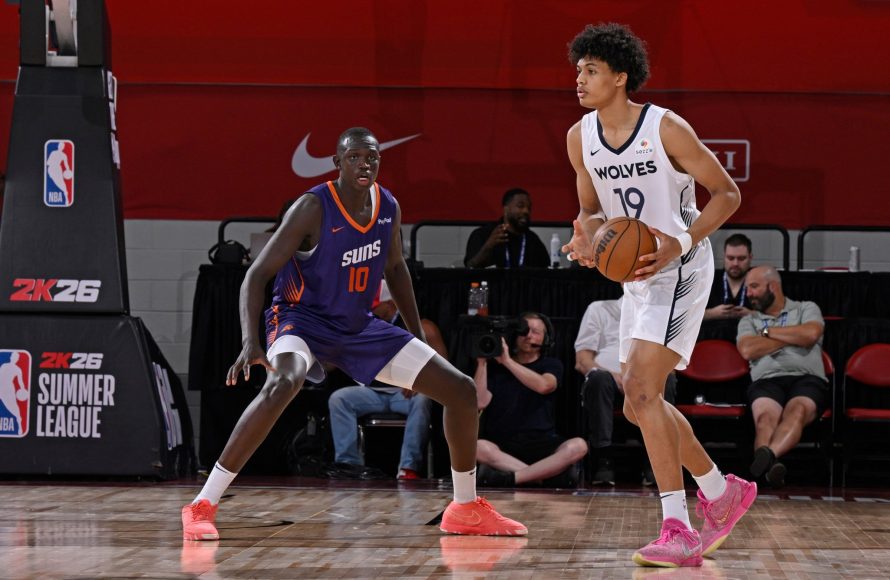
To get more successful contests on floaters and runners in NBA 2K26, anticipate the shot early, position your player slightly ahead of the driver, and quickly flick the right stick upwards while moving towards the ball handler to initiate a vertical contest.
Frustrated by those unstoppable floaters and runners? You’re not alone! Defending these shots in NBA 2K26 can be tricky.
The key is anticipation and timing. This guide breaks down simple adjustments you can make to your defensive strategy to learn how to get more successful contests on floaters and runners in NBA 2K26.

How to Get More Successful Contests on Floaters and Runners in NBA 2K26
Floaters and runners can be incredibly frustrating to defend in NBA 2K26. They are often used by crafty point guards and slashers to score over taller defenders. Learning how to effectively contest these shots is vital to improving your defensive game.
This guide will break down the best strategies and techniques for contesting floaters and runners in NBA 2K26. We’ll cover everything from defensive positioning to timing your jumps and using the right defensive badges.
Understanding Floaters and Runners
Before we dive into contesting, let’s define what we’re talking about. A floater is a soft, arcing shot taken close to the basket. It’s designed to go over taller defenders.
A runner, sometimes called a teardrop, is a similar shot but often taken at a slightly faster pace and with more momentum. The release is usually higher and softer than a regular jump shot.
Key Defensive Principles
Effective defense starts with understanding the fundamentals. It’s not just about jumping high. It’s about being in the right place at the right time.
Defensive Positioning: Proper positioning is key to any good defense. Stay between your man and the basket.
Anticipate their moves and adjust your positioning accordingly.
Staying Alert: Pay attention to your opponent’s tendencies. Do they prefer floaters going left or right?
Knowing their go-to moves will help you anticipate their shots.
Communication is Key: If you’re playing online or with friends, communicate with your teammates. Call out switches and screens.
Good communication can prevent open looks for your opponent.
Contesting Floaters: Step-by-Step
Contesting floaters requires precise timing and positioning. You need to disrupt the shooter without fouling.
Close the Distance: As soon as you see your opponent gather for a floater, close the distance quickly. Don’t give them space to operate.
Maintain a balanced stance as you approach.
Verticality is Key: Jump straight up, avoiding leaning in or reaching across the shooter’s body. This reduces your chances of fouling.
Focus on extending your arms straight up to contest the shot.
Timing the Jump: This is perhaps the most crucial aspect. Jump slightly before the peak of the shooter’s release.
If you jump too early, they’ll shoot over you. If you jump too late, you won’t contest the shot effectively.
Contesting Runners: A Different Approach
Runners often involve more momentum and a quicker release. Adjust your approach accordingly.
Mirror Their Movement: Try to mirror your opponent’s movement as they approach the basket. Stay in front of them.
This will help you anticipate their gather and shot release.
Quick Hands: Since runners often involve a quicker release, you need quick hands to contest the shot. Extend your hand towards the ball.
Focus on disrupting their shooting motion without fouling.
Contesting the Angle: Runners are often taken at an angle to the basket. Try to cut off their angle and force them to adjust their shot.
This can make the shot more difficult and increase the chances of a miss.
Defensive Badges That Help
Badges can significantly improve your ability to contest floaters and runners. Here are some of the most effective defensive badges to equip in NBA 2K26:
Interceptor: This badge increases your chances of getting steals in passing lanes and intercepting passes intended for the shooter.
It’s useful for disrupting the play before the floater or runner even happens.
Intimidator: This badge makes opponents miss more shots when you are contesting them. It applies even when you’re not perfectly positioned.
A higher badge level results in a greater impact on the shooter’s shot percentage.
Rebound Chaser: While not directly related to contesting shots, securing the rebound after a missed floater or runner is crucial.
This badge helps you track down rebounds and secure possession for your team.
Rim Protector: This badge significantly improves your ability to block shots near the rim. It’s especially useful for contesting runners.
It also grants you better animations for blocking shots.
Chase Down Artist: If your opponent gets past you, this badge improves your speed and ability to catch up and contest their shot from behind.
It’s helpful for recovering from defensive lapses.
Clamps: This badge improves your ability to stay in front of your opponent while playing on-ball defense.
It makes it harder for them to drive past you and get into a position to attempt a floater or runner.
Drills to Improve Your Contest Timing
Practice makes perfect. Here are some drills you can use to improve your timing and contest skills in NBA 2K26.
1-on-1 Practice: Play 1-on-1 against a player who frequently uses floaters and runners. Focus solely on contesting their shots.
Pay attention to their release point and adjust your timing accordingly.
Freestyle Practice: Practice contesting floaters and runners in freestyle mode. Use different players and try different contest techniques.
Experiment with different jump timings and hand placements.
Team Practice: Work with your team to practice defending floaters and runners in a team setting.
Focus on communication and help rotations to prevent open looks.
Advanced Techniques
Once you’ve mastered the fundamentals, you can start incorporating more advanced techniques.
Anticipating the Drive: Before the floater or runner attempt, anticipate the drive. Good defenders can predict where the offensive player wants to go.
Cut off their preferred driving lane and force them into a less advantageous position.
Show and Recover: If you’re guarding a perimeter player, you can “show” help on a drive, then quickly recover to your original assignment.
This can disrupt the offensive player’s rhythm and force them into a tougher shot.
Using the Help Defense: If your teammate is guarding a player who consistently uses floaters and runners, be ready to provide help defense.
Rotate over to contest the shot if your teammate gets beat.
Reading the Body Language: Experienced defenders learn to read the offensive player’s body language.
Look for subtle cues that indicate they are about to attempt a floater or runner.
Understanding Player Tendencies
Every player in NBA 2K26 has unique tendencies. Some players are more likely to attempt floaters and runners than others.
Scouting Reports: Pay attention to scouting reports and player tendencies. This will give you an idea of what to expect from your opponent.
Use this information to prepare your defensive strategy.
Adaptive Defense: Adjust your defense based on the player you’re guarding. Don’t use the same approach for every player.
Adapt to their tendencies and exploit their weaknesses.
Adjusting to Different Builds
Different player builds have different strengths and weaknesses. A smaller, quicker point guard might rely on floaters and runners more than a taller, stronger center.
Guarding Point Guards: When guarding point guards, focus on staying in front of them and cutting off their driving lanes.
Be prepared to contest their floaters and runners quickly.
Guarding Slashers: Slashers are often more aggressive and will try to drive to the basket at every opportunity.
Focus on anticipating their drives and providing help defense.
Guarding Big Men: While big men don’t typically use floaters and runners, they can still be effective in certain situations.
Be aware of their tendencies and be prepared to contest their shots if necessary.
The Importance of Film Study
Watching film of your own gameplay can be a valuable learning tool.
Analyze Your Mistakes: Review your gameplay and identify areas where you can improve your contest timing and positioning.
Pay attention to your mistakes and learn from them.
Study Professional Players: Watch film of professional NBA 2K players and see how they defend floaters and runners.
Emulate their techniques and strategies.
Controller Settings
Adjusting your controller settings can also improve your defensive game.
Defensive Assist Strength: Experiment with different defensive assist strength settings to find what works best for you.
Higher assist strength can make it easier to stay in front of your opponent.
Shot Meter: Consider turning off the shot meter to focus on your player’s animations and release point.
This can improve your timing and consistency.
Staying Disciplined
One of the most important aspects of defense is staying disciplined. Avoid unnecessary fouls and stay focused on your assignments.
Avoid Reaching: Reaching for the ball can lead to easy fouls and open lanes for your opponent.
Stay disciplined and avoid reaching unless you have a clear opportunity to steal the ball.
Don’t Gamble: Don’t gamble on steals or blocks unless you are confident that you can make the play.
Stay patient and wait for the right opportunity.
Focus on Fundamentals: Always focus on the fundamentals of defense. Stay in front of your man, communicate with your teammates, and contest every shot.
These fundamentals are the foundation of a good defense.
Dealing with Lag
Online gameplay can be affected by lag, which can make it difficult to time your contests.
Anticipate More: When playing with lag, you need to anticipate your opponent’s moves even more than usual.
Predict their actions and react accordingly.
Adjust Your Timing: Adjust your contest timing based on the amount of lag you are experiencing.
You may need to jump slightly earlier or later to compensate for the delay.
Play Defensively: Play a more conservative defense to avoid getting beat by lag-induced mistakes.
Focus on staying in front of your man and avoiding unnecessary risks.
Mental Fortitude
Defense is as much a mental game as it is a physical one.
Stay Positive: Even if you get scored on, stay positive and don’t get discouraged.
Focus on the next play and try to make a stop.
Learn from Your Mistakes: Don’t dwell on your mistakes. Learn from them and use them as motivation to improve.
Every mistake is an opportunity to learn and grow.
Be Confident: Believe in your ability to defend your opponent. Confidence is key to success on the defensive end.
Approach every play with a positive attitude and a belief that you can make a stop.
NBA 2K25 Layup & Dunk Tutorial: How to Finish at the Rim in 2K25!
Final Thoughts
In short, predicting floater and runner release timings is crucial for successful contests. Practice anticipation in drills and utilize defensive badges like Intimidator. Adjusting your positioning and jump timing will dramatically improve your contest rate.
Ultimately, understanding animations and tendencies must guide your defensive approach. Anticipate the floater or runner early, and react quickly. How to get more successful contests on floaters and runners in NBA 2K26 centers around timing, positioning, and badge usage.