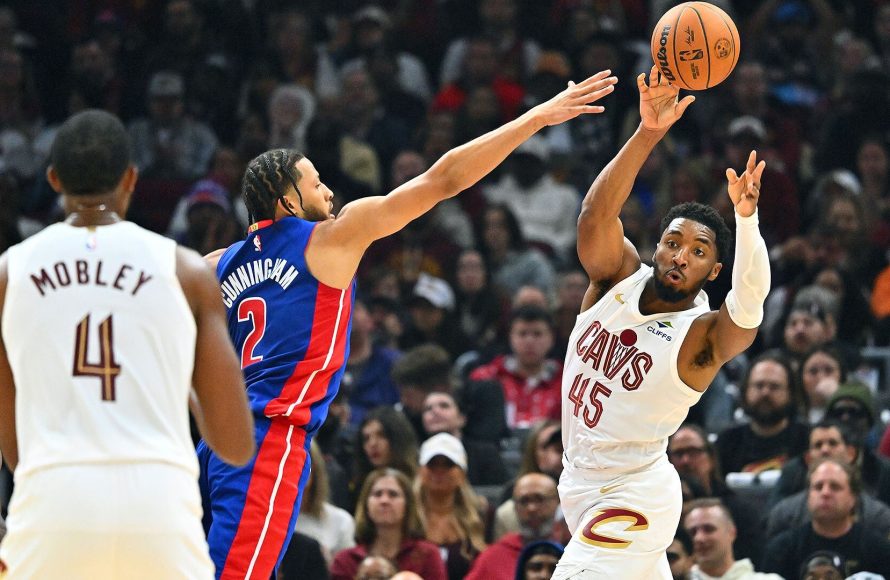
To get more successful contests on perimeter shots in NBA 2K26, focus on precise timing of your jump, maintaining good defensive positioning, and utilizing players with high defensive attributes and badges.
Frustrated with giving up too many open threes in NBA 2K26? You’re not alone! Defending the perimeter can be tricky, but with a few key adjustments, you can significantly improve your success.
This guide is all about how to get more successful contests on perimeter shots in NBA 2K26. We’ll break down the specific techniques and strategies you need to shut down those sharpshooters. Get ready to lock down your opponents!

How to Get More Successful Contests on Perimeter Shots in NBA 2K26
NBA 2K26 brings a new level of realism to on-ball defense, especially when contesting those crucial perimeter shots. Mastering the art of the contest is key to shutting down sharpshooters and dominating the game. Let’s dive into the mechanics and strategies you need to become a defensive force.
Timing is everything when contesting shots. Being a fraction of a second too early or too late can lead to easy buckets for your opponent.
Understanding the timing windows for effective contests will drastically improve your defensive success.
Understanding Contest Mechanics
The contest system in NBA 2K26 factors in multiple elements. These details directly impact the shooter’s ability to make the shot.
Here’s what the game considers:
- Defender Distance: How close you are to the shooter significantly affects the contest percentage.
- Defender Height: A taller defender can naturally contest shots better, even from a greater distance.
- Defender Timing: Jumping at the right moment to contest the shot is crucial for maximum impact.
- Defender Attributes: Ratings like ‘Block’, ‘Interior Defense’, and ‘Perimeter Defense’ all contribute to contest success.
- Shooter Attributes: The shooter’s ‘Three-Point Rating’ and badges impact their ability to shoot over contests.
- Badge Effectiveness: Defensive badges play a major role in influencing shot outcomes.
Knowing these factors lets you develop more effective defensive strategies.
Essential Defensive Badges
Badges are critical for enhancing your defensive abilities. Certain badges are exceptionally valuable when contesting perimeter shots.
Equipping the right defensive badges can drastically improve your contest effectiveness.
Here are some of the most impactful badges:
- Clamps: This badge helps you stay in front of the ball handler and close out on shooters faster.
- Interceptor: Improves your ability to intercept passes, allowing you to disrupt the offense before a shot is even attempted.
- Intimidator: Causes opposing shooters to second-guess themselves, leading to missed shots even if the contest isn’t perfect.
- Rebound Chaser: Crucial for securing rebounds after a missed contested shot, ending the possession in your favor.
- Glove: Strips the ball from the ball handler more easily, preventing them from getting into their shooting motion.
- Challenger: Improves your ability to contest perimeter shots, increasing the contest percentage and impacting shot accuracy.
Prioritize these badges to optimize your defensive game.
Mastering the Closeout
Closing out effectively on shooters is fundamental to contesting shots. A proper closeout limits the shooter’s options.
It also prevents open looks and forces them into tougher shots.
Here’s how to execute an effective closeout:
- Anticipate the Pass: Read the offense and predict where the pass is going to anticipate the shooter.
- Sprint Towards the Shooter: Use the sprint button to quickly close the distance, but be mindful of over-running the play.
- Controlled Approach: As you get closer, decelerate slightly to maintain balance and avoid fouling.
- Hands Up: Always raise your hands to contest the shot without jumping unnecessarily.
- Stay Balanced: Maintain a wide stance to be ready to react to a pump fake or drive.
A well-executed closeout can drastically reduce the shooter’s effectiveness.
Jump Timing and Avoiding Fouls
Knowing when to jump is as important as knowing when not to jump. Jumping at the wrong time can lead to easy points from pump fakes or fouls.
Disciplined defense requires mastering jump timing and avoiding unnecessary fouls.
Here are some tips for improving your jump timing:
- Observe the Shooter’s Release: Pay close attention to the shooter’s animation and release point.
- Jump Vertically: Avoid jumping forward or sideways, as this can lead to fouls.
- Use the Shot Stick: The shot stick can give you more control over your jump and contest.
- Anticipate Pump Fakes: Don’t jump on every pump fake; stay grounded and wait for the actual shot attempt.
- Utilize the “Hands Up” Defense: Sometimes simply raising your hands without jumping is enough to disrupt the shooter.
Smart defense relies on discipline and calculated movements.
Utilizing Defensive Stance and Movement
Your defensive stance and movement are crucial for staying in front of your opponent. Good footwork allows you to react quickly to changes in direction and contest shots effectively.
Effective footwork and positioning make you a formidable defender.
Here’s how to improve your defensive stance and movement:
- Stay Low: Maintain a low center of gravity to improve your balance and agility.
- Widen Your Stance: A wider stance provides a more stable base and allows you to move laterally more easily.
- Shuffle Your Feet: Use quick, short steps to stay in front of the ball handler.
- Mirror the Ball Handler: Try to mirror the ball handler’s movements to anticipate their next move.
- Use the Right Stick for Defensive Movement: Mastering the right stick can give you more control over your defensive positioning.
Solid footwork is the bedrock of good perimeter defense.
Advanced Defensive Techniques
Beyond the basics, several advanced techniques can elevate your contest game. These techniques require practice and a deep understanding of the game.
Mastering advanced techniques separates good defenders from great ones.
Consider these advanced defensive strategies:
- Anticipating Dribble Moves: Learn to recognize common dribble moves and anticipate the shooter’s intentions.
- Forcing Weak Hand Drives: Guide the ball handler towards their weaker hand to limit their shooting options.
- Using the Help Defense: Understand when and how to provide help defense without leaving your assignment open.
- Trapping and Double-Teaming: Strategically trap and double-team shooters to force turnovers and disrupt the offense.
- Communication: Communicate with your teammates on defense to coordinate switches and rotations.
Advanced techniques require practice, but they provide significant defensive advantages.
Reading the Shooter’s Tendencies
Every player has tendencies and preferences. Observing and understanding a shooter’s tendencies can give you a significant advantage.
Predicting a shooter’s moves allows you to anticipate and contest shots more effectively.
Here’s how to read a shooter’s tendencies:
- Observe Shot Selection: Notice what types of shots the shooter prefers and from what areas of the court.
- Identify Signature Moves: Recognize any signature dribble moves or pre-shot routines the shooter uses.
- Watch Body Language: Pay attention to the shooter’s body language to anticipate their intentions.
- Adapt Your Defense: Adjust your defensive strategy based on the shooter’s tendencies.
- Use Scouting Reports: Utilize in-game scouting reports to gather information on opponent tendencies.
Knowledge is power when it comes to defense.
Utilizing Defensive Settings
NBA 2K26 offers a range of defensive settings that can be customized to suit your play style. Experimenting with these settings can help you optimize your defensive performance.
Tailoring defensive settings to your team’s strengths can significantly improve your overall defense.
Here are some key defensive settings to consider:
- On-Ball Pressure: Adjust the intensity of your on-ball defense to pressure the ball handler.
- Help Defense: Customize the level of help defense your teammates provide.
- Off-Ball Pressure: Control how aggressively your off-ball defenders guard their assignments.
- Double Team Settings: Determine when and how your team will double-team the ball handler.
- Matchup Settings: Assign specific defenders to guard key offensive players.
Experimentation with defensive settings can unlock hidden potential in your team’s defense.
The Importance of Team Defense
While individual skill is important, team defense is paramount. A coordinated defensive effort can shut down even the most potent offenses.
Effective team defense relies on communication, rotations, and a shared understanding of defensive principles.
Here’s how to improve your team defense:
- Communicate Effectively: Talk to your teammates on defense to coordinate switches, rotations, and help defense.
- Rotate Properly: Execute defensive rotations quickly and efficiently to cover open players.
- Help and Recover: Provide help defense when necessary, but quickly recover to your original assignment.
- Control the Paint: Protect the paint and prevent easy baskets inside.
- Force Turnovers: Work together to create turnovers and disrupt the opponent’s offense.
A strong team defense is always greater than the sum of its individual parts.
Practice Drills for Perfecting Contests
Repetition is key to mastering any skill. Incorporating specific practice drills into your routine can significantly improve your contest timing and technique.
Targeted practice drills accelerate your defensive development.
Here are some effective practice drills for perfecting contests:
- Closeout Drill: Practice closing out on shooters from various distances and angles.
- Jump Timing Drill: Focus on timing your jumps to contest shots without fouling.
- Defensive Stance Drill: Work on maintaining a low, balanced defensive stance while moving laterally.
- Help Defense Drill: Practice rotating from the weak side to provide help defense and recover to your assignment.
- Reaction Time Drill: Improve your reaction time by reacting to sudden changes in direction from the ball handler.
Consistent practice leads to consistent improvement.
Analyzing Replays and Adjusting Strategy
Analyzing replays of your games can provide valuable insights into your defensive performance. Identifying areas for improvement and adjusting your strategy accordingly is crucial for continued growth.
Replay analysis offers a unique opportunity to learn from your mistakes.
Here’s how to analyze replays effectively:
- Focus on Mistakes: Pay attention to instances where you were out of position, fouled unnecessarily, or failed to contest a shot effectively.
- Identify Patterns: Look for recurring patterns in your defensive mistakes to identify areas for focused improvement.
- Study Opponent Tendencies: Analyze how your opponents are exploiting your defensive weaknesses.
- Adjust Your Strategy: Based on your analysis, adjust your defensive settings, player assignments, or overall strategy.
- Implement Changes: Actively implement the changes you identified during your analysis in your next game.
Constant analysis and adjustment are the hallmarks of a dedicated player.
The Mental Aspect of Defense
Defense is not just about physical skills; it also requires mental toughness and focus. Maintaining a positive attitude and staying engaged throughout the game are essential for consistent defensive performance.
A strong mental game can elevate your defensive performance to new heights.
Here are some tips for developing a strong defensive mindset:
- Stay Focused: Maintain your focus throughout the game and avoid distractions.
- Be Aggressive: Play with intensity and aggression on defense.
- Stay Positive: Maintain a positive attitude, even when facing adversity.
- Communicate: Communicate effectively with your teammates on defense.
- Be Disciplined: Avoid unnecessary fouls and stay committed to your defensive strategy.
Mental fortitude is as important as physical skill when it comes to defense.
3 tips to help you score in 2k25
Final Thoughts
To get more successful contests on perimeter shots in NBA 2K26, you must improve timing and positioning. Anticipate the shooter’s release and close out quickly with hands up.
Practice defensive badges like “Clamps” and “Intimidator” to boost your contest effectiveness. These badges greatly impact your ability to disrupt shots.
Refine your stick skills for better movement and on-ball defense. Good stick skills help you stay in front of your opponent. Knowing how to get more successful contests on perimeter shots in NBA 2K26 is vital to winning.