
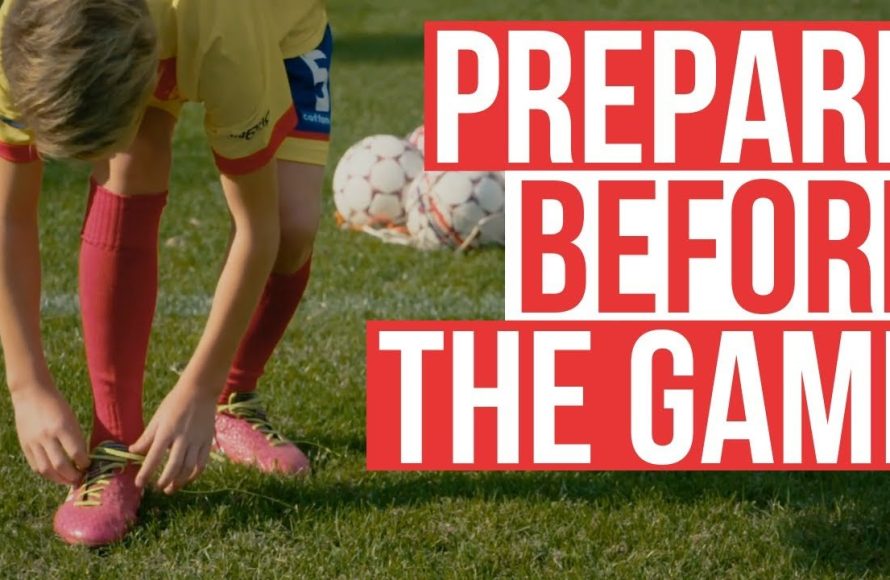
Getting ready for a soccer game requires proper hydration, a light meal, a dynamic warm-up, and mental preparation focusing on the game plan.
Are you gearing up for game day and wondering how to get ready for a soccer game? It’s more than just showing up; it’s about preparing your body and mind to perform at your best. A few simple steps can make a significant difference in your performance and enjoyment of the match. This guide will provide a quick outline for a smooth preparation.

How to Get Ready for a Soccer Game
Getting ready for a soccer game isn’t just about showing up at the field. It’s about preparing your body and mind to play your best. Think of it like getting ready for a big test – you wouldn’t just walk in without studying, would you? The same goes for soccer! Proper preparation helps you feel confident, perform better, and avoid getting tired too quickly. Let’s explore what goes into getting truly game-ready.
Fueling Your Body: The Pre-Game Meal
What you eat before a soccer game is super important. Imagine your body is like a car; it needs the right fuel to run smoothly. A poor meal can make you feel sluggish and slow, while a good meal will give you the energy you need to run, jump, and kick all game long.
What to Eat (and When)
3-4 Hours Before the Game: This is when you should eat a bigger meal. Focus on foods that give you lots of energy that release slowly, so you don’t get a sugar crash. Good options include:
Pasta with a light tomato sauce
Brown rice with chicken or fish
A turkey or chicken sandwich on whole wheat bread
Sweet potato with lean protein
1-2 Hours Before the Game: You should have something smaller now, a quick pick-me-up to top off your energy. Think of:
A banana or apple
A small handful of nuts (like almonds or walnuts)
A piece of toast with a little jam
Energy bars (choose those that are low in sugar)
Avoid:
Fried foods: These can make your stomach feel upset and slow you down.
Very sugary things: You might get a quick burst of energy, but it will quickly disappear, leaving you feeling tired.
Spicy foods: They can cause stomach troubles during the game.
Too much fiber: It can also upset your stomach.
Anything new: Game day is not the day to try new foods because you don’t know how your body will react.
Remember, everyone is different, so it might take some practice to figure out what meals work best for you. The key is to eat foods that help you feel energized and comfortable.
Hydration: The Secret Weapon
Water is like magic for your body during a soccer game. It helps you stay cool, gives your muscles what they need to work well, and keeps you from feeling tired and weak. Dehydration (not drinking enough water) can hurt your performance and even make you feel sick.
How Much Should You Drink?
Throughout the day before the game: Start drinking water early! Don’t wait until you feel thirsty. Aim to drink water throughout the day leading up to your game.
The Hour Before the Game: Drink a glass of water or a sports drink.
During the Game: Take sips of water during breaks and halftime.
After the Game: Continue drinking water to help your body recover.
Sports drinks can also be useful, especially if it is a very hot day, or you’ve played a long match. They help you restore electrolytes, minerals that you sweat out which help your body work right.
The Right Gear: Dressing for Success
Wearing the right clothes and gear makes a big difference. It helps you feel comfortable and ready to play. Imagine trying to run fast in heavy boots! That wouldn’t work very well, would it?
Must-Have Gear:
- Cleats: Make sure your cleats fit well and give you good traction on the field. Don’t wear cleats that are too tight or too big.
- Shin Guards: Shin guards are a must for safety. They protect your shins from getting kicked. Make sure they fit correctly so they don’t slide around.
- Socks: Wear long socks that go up and over your shin guards.
- Shorts: Comfortable shorts are essential.
- Jersey: Wear your team’s jersey with pride.
- Goalkeeper Gloves (If you are a Goalkeeper): Goalkeepers will need gloves that provide a good grip on the ball.
Before heading to the field, double-check that you have all your gear. It is very annoying if you get to the field and realize you forgot something!
Warming Up: Getting Your Body Ready
Warming up is like giving your body a gentle wake-up call. It gets your muscles and heart ready for the game. Think of it like stretching before a big jump, it helps your body perform at its best.
Dynamic Warm-up Exercises
- Light Jogging: Start with a light jog for 5-10 minutes to get your heart pumping.
- Arm Circles: Make big circles with your arms forward and backward.
- Leg Swings: Swing your legs forward and backward, and then side to side.
- High Knees: Bring your knees up high as you jog in place.
- Butt Kicks: Kick your heels up to your bottom as you jog in place.
- Torso Twists: Twist your upper body gently from side to side.
- Short Sprints: Do a few short sprints to get your muscles warm.
Why Warming Up is Crucial
Preventing Injuries: Warm muscles are less likely to get hurt.
Better Performance: When your muscles are ready, you can run faster, jump higher, and kick harder.
Mental Preparation: Warming up helps you focus on the game ahead.
Your coach or team captain may have specific warm-up routines. Always follow their guidance. It helps when everyone is doing the same warm up together.
Mental Preparation: Getting Your Mind Right
Soccer is not just about your body, it’s also about your mind. A confident and focused mind helps you make better decisions on the field. You need to be mentally prepared to play your best.
How to Prepare Mentally:
Positive Thinking: Tell yourself that you are good at soccer and you will play well. Believe in yourself and your team.
Visualization: Close your eyes and imagine yourself playing a great game, making good passes, scoring goals, and making amazing saves.
Focus on the Game: Forget about distractions from outside of soccer and concentrate on playing to the best of your ability.
Relaxation: Deep breaths can help calm your nerves before a game.
Team Talk: Encourage your teammates and listen to the coach’s pre-game talk.
Being mentally ready is just as important as being physically ready. A positive attitude makes a big difference in how well you play.
Pre-Game Check-List: Don’t Forget Anything!
Before you leave for the field, use a check-list to make sure you have everything you need. It’s better to be prepared than to realize you forgot something and it is too late.
- Cleats
- Shin Guards
- Socks
- Shorts
- Jersey
- Water bottle
- Snacks (like a banana)
- Towel
- Any necessary medication (like an inhaler)
- Positive Attitude!
Post Game: Cooling Down and Recovery
What you do after the game is just as important as what you do before it. It helps your body recover and get ready for the next time you play.
Cool-Down Exercises:
- Light Jog: Jog lightly for 5-10 minutes.
- Static Stretches: Hold each stretch for 20-30 seconds. Some great stretches are:
- Hamstring stretch: Reach for your toes.
- Quad stretch: Pull your heel towards your bottom.
- Calf stretch: Lean against a wall with one leg straight back.
- Groin stretch: Sit with the soles of your feet together and gently push down on your knees.
- Rehydrate: Drink plenty of water to replace what you lost during the game.
- Eat a Recovery Snack: A snack that includes protein and carbohydrates will help your muscles rebuild. Good options are:
- Chocolate milk
- A protein bar
- A banana with peanut butter
Cooling down helps prevent muscle soreness and gets your body back to its normal state. It helps you feel less stiff the next day and allows you to play your next match at full potential.
By properly preparing for a soccer game, you’ll improve your performance, have more fun, and stay healthy. Remember that soccer is not just a game, it also helps us grow as individuals, learn to cooperate, and build physical and mental strength. Remember to follow these guidelines, tailor them to your needs, and you’ll feel ready to give it your best.
How to prepare for a match: pro player shares secrets
Final Thoughts
Proper rest, a nutritious meal, and hydrating before the game are must. A thorough warm-up including dynamic stretches prepares your body. Visualize your role and game plan for confidence.
Packing your gear, like cleats and shin guards, avoids last-minute stress. Arriving early to familiarize yourself with the field is key. Knowing how to get ready for a soccer game enhances your performance.

