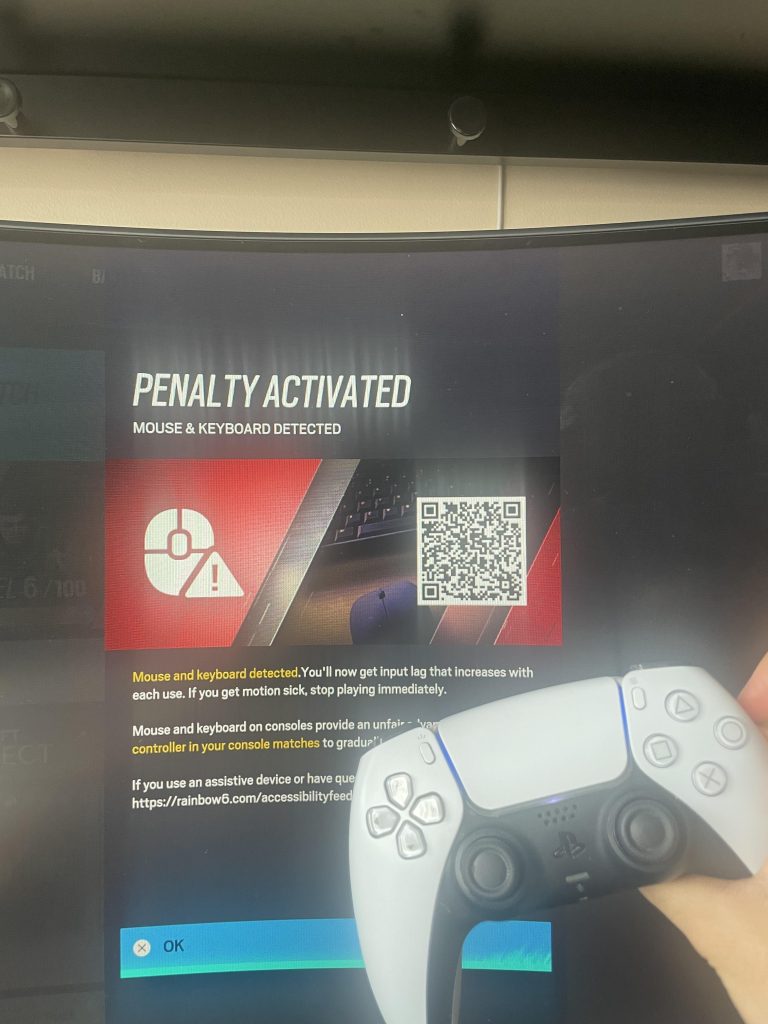
To help shape the future of the game with constructive feedback, provide specific, actionable, and well-reasoned suggestions to the developers, focusing on areas you believe can be improved, and supporting your points with evidence from your gameplay experience.
Ever felt like you could make your favorite game even better? You can! Your voice matters, and providing thoughtful feedback is how to help shape the future of the game with constructive feedback.
Game developers actively seek player insights. So, turning your opinions into valuable suggestions can influence the game’s evolution.
By offering specific examples and explaining your reasoning, you make it easier for the developers to understand and act on your feedback. This direct input helps them prioritize improvements and create a better experience for everyone.

How to Help Shape the Future of the Game with Constructive Feedback
The gaming landscape thrives on evolution. Your voice, when delivered constructively, can play a significant role in shaping that evolution. This article explores how you can provide feedback that makes a real difference.
Understanding the Importance of Feedback
Game developers rely heavily on player feedback. They use it to identify bugs, improve gameplay balance, and even guide future content updates. Your input is valuable, and it directly influences the game’s trajectory.
Constructive feedback is more than just saying “this sucks.” It’s about providing specific, actionable insights that developers can use to improve the game. Think of it as a partnership, where you contribute your experience to help the developers create a better product.
What is Constructive Feedback?
Constructive feedback is specific, actionable, and respectful. It focuses on the game itself, rather than personal opinions or attacks on the developers. It aims to offer solutions and improvements.
It’s about identifying problems and suggesting ways to solve them. It acknowledges what works well and builds upon it. It is balanced and thoughtful.
Elements of Effective Constructive Feedback
There are key elements to consider when crafting your feedback. These elements ensure your feedback is heard and acted upon. Mastering these elements will allow you to be more influential.
Specificity is Key
Vague statements like “the game is bad” are unhelpful. Instead, pinpoint specific issues. For example, “The reload time on the ‘XYZ’ weapon is too long, making it underpowered in close-quarters combat.”
The more specific you are, the easier it is for developers to understand the problem. They can also more easily replicate the issue. Specificity reduces ambiguity and makes your feedback much more actionable.
Actionable Suggestions
Don’t just point out problems; offer potential solutions. Instead of saying “the crafting system is confusing,” try “the crafting system could be improved by adding tooltips that explain each ingredient’s purpose.”
Suggest concrete changes the developers can implement. Consider the implications of your suggestions on other aspects of the game. Think about how your solutions integrate seamlessly into the existing system.
Maintain a Respectful Tone
Even if you’re frustrated, maintain a respectful and professional tone. Avoid insults, personal attacks, or demands. A positive attitude makes your feedback more likely to be received positively.
Developers are people too, and they are often passionate about their work. Approach them with empathy and understanding. Frame your feedback in a way that shows you want to help improve the game, not tear it down.
Provide Context and Examples
Explain the situation where the problem occurred. Give specific examples of what happened and why it was problematic. This helps the developers understand the impact of the issue.
For instance, instead of just saying “the AI is dumb,” describe a specific scenario where the AI behaved illogically. Include details like the level, the enemy type, and your actions. Context paints a clearer picture.
Acknowledge What Works Well
Balance your criticism with positive feedback. Highlight aspects of the game you enjoy. This demonstrates that you appreciate the developers’ efforts and provides a basis for comparison.
It also shows that you’re not just complaining. Recognizing what works well can help developers understand what design choices are successful. Build on the successes.
Where to Provide Your Feedback
Games provide various channels for feedback. Choose the appropriate channel for your message. Each channel has its own strengths and limitations.
In-Game Feedback Systems
Many games have built-in feedback systems. These often include bug reporting tools, survey forms, or suggestion boxes. They are often the most direct way to communicate with the developers.
In-game systems often collect valuable data along with your feedback, such as your system specifications, game settings, and recent activity. This data helps developers diagnose and fix issues more effectively.
Official Forums and Communities
Official forums and community websites are great places for discussions. Share your thoughts and ideas with other players. Engage in constructive conversations and build consensus.
These platforms allow developers to monitor community sentiment and identify trending issues. Participating in discussions with other players can refine your own understanding of the game’s strengths and weaknesses.
Social Media Platforms
Social media can be used to provide feedback, but use it judiciously. Tag the developers or the game’s official account in your posts. Keep your feedback concise and respectful.
While social media offers a wide reach, it can also be easily overlooked. Focus on platforms where the developers are actively engaged and responsive to community feedback.
Beta Testing Programs
Participating in beta testing programs offers an exclusive opportunity. Test the game before its official release. Provide feedback on new features, gameplay mechanics, and overall performance.
Beta testers play a crucial role in identifying bugs and balancing issues. Beta testing provides direct access to the development team. Beta programs are invaluable.
Examples of Constructive Feedback
Let’s look at some examples of good and bad feedback. This will help you understand the difference between helpful and unhelpful comments. By studying examples, you can hone your skills.
Example 1: Weapon Balance
Bad: “This weapon sucks! It’s totally useless.”
Good: “The ‘XYZ’ weapon feels underpowered compared to other weapons of the same type. Its damage output is significantly lower, and its reload time is longer. Perhaps increasing its damage by 15% or reducing its reload time by 0.5 seconds would make it more competitive. In a recent play session, I consistently lost engagements when using this weapon against enemies that I could easily defeat with other weapons.”
Notice the specificity, actionable suggestions, and context in the “good” example. This type of feedback gives the developers concrete information to work with. They can then investigate the weapon’s stats and balance it accordingly.
Example 2: User Interface
Bad: “The UI is terrible! It’s so confusing.”
Good: “The user interface in the crafting menu could be improved. It’s not immediately clear which ingredients are required for each recipe. Adding a visual representation of the ingredients, or a tooltip that displays their names when hovered over, would be helpful. Also, the current layout feels cluttered. Perhaps grouping related items together or using a tabbed interface would improve readability. I consistently find myself struggling to find the correct ingredients when crafting complex items.”
Again, the “good” example provides specific details and actionable suggestions. It identifies the problem area (crafting menu), suggests concrete improvements (visual representation, tooltips, layout changes), and provides context (struggling to find ingredients).
Example 3: Level Design
Bad: “This level is boring! There’s nothing to do.”
Good: “The level design in the ‘Abandoned Factory’ area feels somewhat repetitive. The layout consists primarily of long, linear corridors with little variation in enemy placement or environmental features. Adding more verticality, branching paths, or interactive elements would make the level more engaging. Perhaps incorporating a puzzle element that requires players to use the environment to their advantage would also add more depth. I found myself rushing through the level without feeling any sense of exploration or discovery.”
The “good” example focuses on specific issues with the level design (repetitive layout, lack of variation) and suggests concrete solutions (verticality, branching paths, interactive elements). The context of feeling no sense of exploration or discovery further clarifies the problem.
Turning Negative Experiences Into Constructive Feedback
Everyone encounters frustrating experiences while gaming. The key is to transform that frustration into constructive feedback. This requires a shift in perspective.
Instead of simply complaining about a bug, try to document the steps that led to it. Note the specific circumstances and any error messages you encountered. The more information you can provide, the easier it will be for the developers to fix the problem.
Instead of rage-quitting after a particularly difficult encounter, analyze what went wrong. Identify the specific mechanics or enemy behaviors that caused you trouble. Then, offer suggestions for how the encounter could be made more fair or engaging.
Remember that developers are often working under tight deadlines and with limited resources. They may not always be able to address every issue immediately. However, your feedback can help them prioritize their efforts and make informed decisions about future updates.
Long-Term Impact of Constructive Feedback
Providing constructive feedback is not just about fixing immediate problems. It’s also about shaping the long-term vision of the game. Your input can influence future content updates, gameplay mechanics, and even the overall direction of the game.
By consistently providing thoughtful and actionable feedback, you can establish a reputation as a valuable member of the community. Developers are more likely to listen to players who have a proven track record of providing helpful insights. You can contribute to the community.
Your feedback can also help other players. By sharing your experiences and insights, you can help them understand the game better and overcome challenges. A healthy community is a valuable asset for any game.
Specific Examples: Helping with Game Balance
Game balance is crucial for a positive player experience. Unbalanced gameplay can lead to frustration and a loss of interest. Providing feedback on balance is extremely important.
Weapon Balance Feedback
When evaluating weapon balance, consider factors like damage output, range, accuracy, reload time, and ammunition capacity. Compare different weapons within the same class. Identify weapons that feel overpowered or underpowered.
Provide specific examples of situations where the weapon’s performance was problematic. Suggest concrete adjustments to its stats or mechanics. Be specific and analytical.
Character/Class Balance Feedback
Evaluate the strengths and weaknesses of different characters or classes. Identify any that feel significantly stronger or weaker than others. Consider their abilities, stats, and roles within the game.
Provide feedback on specific abilities that feel unbalanced. Suggest adjustments to their damage, duration, or cooldown. Consider how changes affect the overall balance.
Economy/Resource Balance Feedback
Analyze the game’s economy and resource management systems. Consider how easy or difficult it is to acquire resources. Evaluate the cost of items, upgrades, and services.
Provide feedback on any aspects that feel unbalanced. Suggest adjustments to resource drop rates, item prices, or crafting recipes. Discuss the economy.
Reporting Bugs Effectively
Bug reporting is an essential aspect of providing constructive feedback. Accurate and detailed bug reports help developers quickly identify and fix problems. Good bug reports are vital.
Detailed Descriptions
Provide a clear and concise description of the bug. Explain what happened, what you expected to happen, and how the actual result differed from your expectation. Be specific and avoid vague language.
Include any relevant error messages or screenshots. Provide as much context as possible. The more detail you provide, the easier it will be for the developers to understand the bug.
Steps to Reproduce
Outline the exact steps required to reproduce the bug. This is crucial for developers to isolate and fix the issue. Be as precise as possible in your instructions.
Include any specific settings, actions, or events that may have triggered the bug. If the bug is intermittent, note the frequency with which it occurs. Follow procedures.
System Information
Provide information about your system configuration. This includes your operating system, CPU, GPU, RAM, and graphics driver version. System specifications are very important.
Include any relevant software or hardware that may be related to the bug. This information can help developers identify compatibility issues or driver-related problems.
Giving Critical Feedback | Simon Sinek
Final Thoughts
Ultimately, your voice matters. Sharing well-reasoned opinions, supported by specific examples, greatly benefits developers. They need this input to understand what players enjoy and where improvements are must.
Consider providing feedback on gameplay mechanics, design choices, or even the story itself. Frame suggestions positively, focusing on solutions rather than just pointing out problems. This fosters a collaborative environment.
Therefore, engage actively in forums, surveys, and other feedback channels. Contribute thoughtful comments that highlight both strengths and weaknesses. This is how to help shape the future of the game with constructive feedback.